
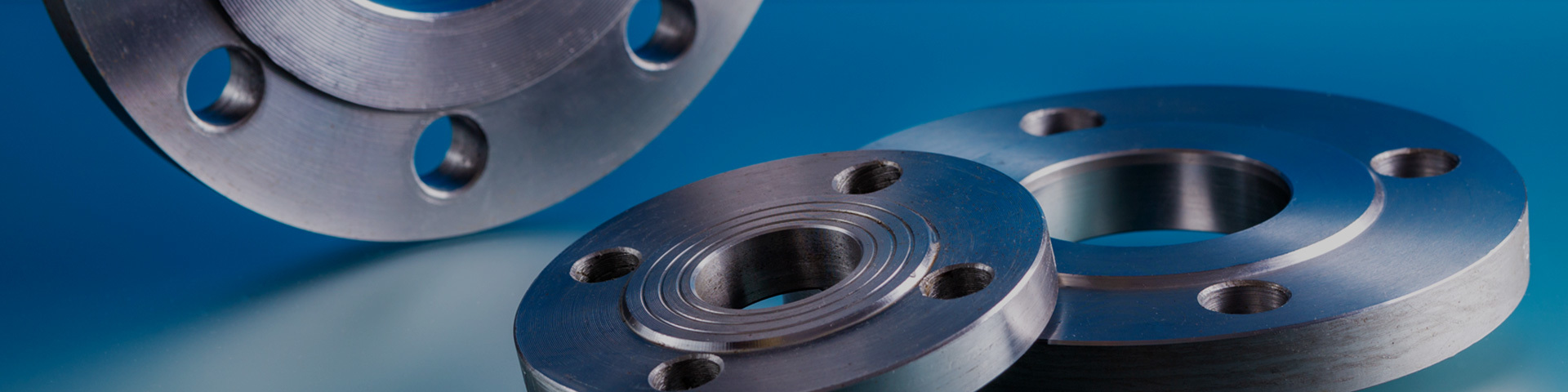
Understanding ANSI B16.5 BL Flanges: Essential Insights for Professionals
Date:
2026-05-29
ANSI B16.5 BL flanges, commonly referred to as blind flanges, play a crucial role in piping systems across various industries, including construction and decorative materials. These flanges are designed to seal the end of a piping system, effectively preventing the flow of liquids or gases while allowing for easy maintenance and inspection of the system. Understanding the specifications and applic
One of the primary characteristics of ANSI B16.5 BL flanges is their adherence to the standards set forth by the American National Standards Institute (ANSI). These standards outline the dimensions, tolerances, and materials used in flange production, ensuring a level of quality and compatibility across various manufacturers. Typically, ANSI B16.5 BL flanges are available in different pressure ratings, which allows engineers and designers to select the appropriate flange based on the specific requirements of their piping system.
The ANSI B16.5 standard categorizes flanges into various sizes, ranging from 1/2 inch to 24 inches in diameter, accommodating different pipeline constructions. These flanges are generally constructed from materials such as carbon steel, stainless steel, and alloy steel, providing options for strength and corrosion resistance depending on the application's environment.
In addition to their structural attributes, ANSI B16.5 BL flanges offer several benefits that contribute to the overall functionality of piping systems. Their design allows for easy installation and removal, which is particularly advantageous during maintenance periods. This feature not only enhances the efficiency of any repairs but also ensures minimal disruption to the ongoing operations of a facility.
Furthermore, the use of ANSI B16.5 BL flanges can help in achieving a secure connection that withstands high pressure and temperature fluctuations. This reliability is especially vital in industries like oil and gas, chemicals, and water treatment, where the consequences of leaks can be significant both in terms of safety and operational costs.
In summary, ANSI B16.5 BL flanges are indispensable components in modern piping systems, providing secure sealing solutions that align with industry standards. Professionals in the construction and decorative materials sector must familiarize themselves with these flanges' specifications, applications, and advantages to make informed decisions that enhance their project outcomes. Understanding these elements will not only contribute to the successful implementation of piping systems but also promote safety and efficiency in various operational environments.
Key Words:
Related News

PROFESSIONAL MANUFACTURER OF
FLANGES AND PIPE FITTINGS
Sanshi (Hebei) Industry Co., Ltd
Address: Cangzhou Mengcun Hui Autonomous County Hope New Area, Hebei province
Mail: wendy@sanshifitting.com


Copyright © 2023 Sanshi (Hebei) Industrial Co., Ltd