
The Comprehensive Guide to Global Standards of ANSI B16.5 SO Flanges
Date:
2026-06-05
The Comprehensive Guide to Global Standards of ANSI B16.5 SO Flanges Table of Contents 1. Introduction to ANSI B16.5 SO Flanges 2. Understanding SO Flanges: What Are They? 3. The Importance of Global Standards in Flange Manufacturing 3.1 The Role of ANSI in Standardization 3.2 Key Specifications of ANSI B16.5 4. Applications of ANSI B16.5 SO Flanges 4.1 Use in Various Industries 4.2 Importance in
The Comprehensive Guide to Global Standards of ANSI B16.5 SO Flanges
Table of Contents
1. Introduction to ANSI B16.5 SO Flanges
2. Understanding SO Flanges: What Are They?
3. The Importance of Global Standards in Flange Manufacturing
3.1 The Role of ANSI in Standardization
3.2 Key Specifications of ANSI B16.5
4. Applications of ANSI B16.5 SO Flanges
4.1 Use in Various Industries
4.2 Importance in Safety and Reliability
5. Material Composition and Design Considerations
5.1 Common Materials Used for SO Flanges
5.2 Design Features and Their Benefits
6. Manufacturing Process of ANSI B16.5 SO Flanges
6.1 Overview of the Manufacturing Steps
6.2 Quality Control Measures
7. Selecting the Right SO Flange for Your Project
7.1 Factors to Consider
7.2 Common Mistakes to Avoid
8. FAQs About ANSI B16.5 SO Flanges
9. Conclusion
1. Introduction to ANSI B16.5 SO Flanges
In the vast realm of construction and decorative materials, ANSI B16.5 SO Flanges hold a pivotal position. These components are crucial in various piping systems, providing a reliable means of connecting pipes, valves, and other equipment. Understanding the global standards surrounding these flanges is essential for engineers, designers, and procurement professionals alike. This guide will explore the standards, specifications, and applications of ANSI B16.5 SO Flanges.
2. Understanding SO Flanges: What Are They?
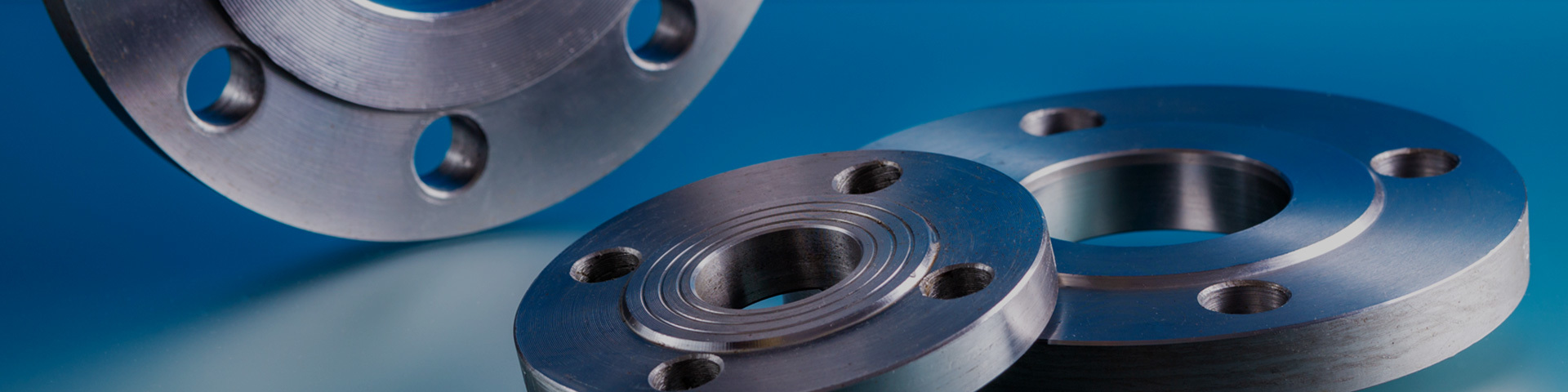
SO flanges, or Slip-On flanges, are designed to slip over the pipe's end and are then welded in place. This type of flange is widely favored due to its ease of installation and cost-effectiveness. The ANSI B16.5 standard provides specific dimensions, tolerances, and pressure ratings for SO flanges, making them a reliable choice for various applications.
3. The Importance of Global Standards in Flange Manufacturing
Standards play a fundamental role in ensuring the quality and consistency of flanges across the globe. ANSI, or the American National Standards Institute, establishes the guidelines that manufacturers must follow to produce SO flanges that meet specific criteria.
3.1 The Role of ANSI in Standardization
ANSI is responsible for overseeing the development of voluntary consensus standards for products, services, processes, and systems in the U.S. The ANSI B16.5 standard outlines the minimum requirements for SO flanges, ensuring safety and performance in various applications.
3.2 Key Specifications of ANSI B16.5
The ANSI B16.5 standard specifies dimensions, pressure-temperature ratings, materials, and testing requirements for SO flanges. Key specifications include:
- **Sizes**: SO flanges are available in various sizes, typically ranging from 1/2 inch to 24 inches in nominal pipe size.
- **Pressure Ratings**: SO flanges come in different pressure classes, including 150, 300, 400, 600, 900, 1500, and 2500, allowing for flexibility in various operating conditions.
- **Material Specifications**: Common materials include carbon steel, stainless steel, and alloy steel, each suitable for different environments and applications.
4. Applications of ANSI B16.5 SO Flanges
ANSI B16.5 SO flanges find their use in a myriad of applications across diverse industries. Understanding these applications can help professionals make informed decisions about their projects.
4.1 Use in Various Industries
SO flanges are integral to industries such as oil and gas, chemical processing, power generation, and water treatment. Their versatility allows them to be used in high-pressure and high-temperature environments, making them suitable for various operational demands.
4.2 Importance in Safety and Reliability
The safety and reliability of a piping system depend significantly on the quality of the components used. ANSI B16.5 SO flanges adhere to strict standards, ensuring that they can withstand the forces and stresses of their respective applications without compromising safety.
5. Material Composition and Design Considerations
The material used in SO flanges directly affects their performance and durability. Understanding the composition and design considerations is essential for selecting the right flange for specific applications.
5.1 Common Materials Used for SO Flanges
SO flanges are available in several materials, including:
- **Carbon Steel**: Known for its strength and affordability, carbon steel flanges are commonly used in water, oil, and gas applications.
- **Stainless Steel**: Resistant to corrosion, stainless steel flanges are ideal for chemical and food processing environments.
- **Alloy Steel**: These flanges offer superior strength and are used in applications requiring high pressure and temperature resistance.
5.2 Design Features and Their Benefits
SO flanges feature several design characteristics that enhance their usability:
- **Raised Face**: This design increases the sealing surface and helps to establish a tight seal when joined with another flange.
- **Weld Neck Design**: This creates a strong joint that can withstand high pressure and is often used in critical applications.
6. Manufacturing Process of ANSI B16.5 SO Flanges
The manufacturing process of SO flanges involves several critical steps to ensure compliance with the ANSI B16.5 standard. Understanding this process can help in appreciating the quality and durability of these components.
6.1 Overview of the Manufacturing Steps
The manufacturing process typically involves:
1. **Material Selection**: Choosing the appropriate material based on the application requirements.
2. **Forming**: Using techniques like forging or casting to create the flange shape.
3. **Machining**: Precision machining to achieve the required dimensions and surface finish.
4. **Welding**: For certain designs, welding may be necessary to create a strong joint.
5. **Testing**: Rigorous testing to ensure that the flanges meet the specified pressure and temperature ratings.
6.2 Quality Control Measures
Quality control is paramount in flange manufacturing. This includes:
- **Dimensional Inspection**: Ensuring that the flanges meet the ANSI B16.5 specifications.
- **Material Testing**: Conducting tests to verify the composition and properties of the flange materials.
- **Pressure Testing**: Confirming the flange’s ability to withstand operational pressures without leaking.
7. Selecting the Right SO Flange for Your Project
Choosing the right SO flange is critical for the success of any piping project. Several factors should be considered to ensure optimal performance and safety.
7.1 Factors to Consider
When selecting an SO flange, consider the following:
- **Operating Conditions**: Assess the pressure and temperature requirements of your application.
- **Material Compatibility**: Ensure that the flange material is suitable for the fluids being handled.
- **Size and Configuration**: Match the flange size and design to your piping system.
7.2 Common Mistakes to Avoid
To avoid complications, steer clear of these common pitfalls:
- **Ignoring Standards**: Ensure compliance with ANSI B16.5 to avoid safety issues and costly repairs.
- **Underestimating Pressure Ratings**: Selecting a flange with inadequate pressure ratings can lead to failures and leaks.
8. FAQs About ANSI B16.5 SO Flanges
What is ANSI B16.5?
ANSI B16.5 is a standard that specifies the dimensions, tolerances, and pressure ratings for flanges, specifically Slip-On flanges used in piping systems.
What are the advantages of using SO flanges?
The advantages of SO flanges include ease of installation, cost-effectiveness, and the ability to work in a variety of applications without requiring extensive modifications.
How do I determine the right flange size?
To determine the right size, consider the nominal pipe size of your system and ensure that the flange matches the diameter required for a secure fit.
Are there different pressure ratings for SO flanges?
Yes, SO flanges come in various pressure ratings, typically ranging from 150 to 2500, allowing for flexibility in different operational conditions.
Can SO flanges be used in high-temperature applications?
Yes, depending on the material used, SO flanges can be suitable for high-temperature applications, but it’s essential to select the right material and pressure rating for your specific needs.
9. Conclusion
The global standards surrounding ANSI B16.5 SO flanges are crucial for ensuring safety, reliability, and performance in piping systems across various industries. Understanding the specifications, applications, materials, and manufacturing processes of these flanges equips professionals with the knowledge they need to make informed decisions. By adhering to these standards, we can ensure the integrity of our systems and contribute to the overall success of our projects.
Key Words:
Related News

PROFESSIONAL MANUFACTURER OF
FLANGES AND PIPE FITTINGS
Sanshi (Hebei) Industry Co., Ltd
Address: Cangzhou Mengcun Hui Autonomous County Hope New Area, Hebei province
Mail: wendy@sanshifitting.com


Copyright © 2023 Sanshi (Hebei) Industrial Co., Ltd