
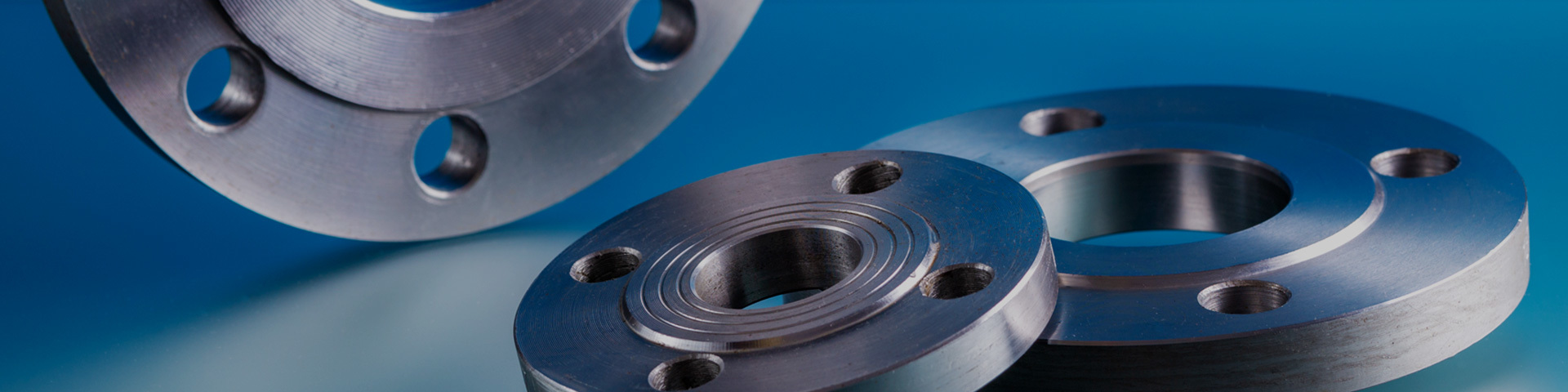
Essential Installation Tips for GOST 12820-80 Plate Flanges in Your Construction Project
Date:
2026-08-05
Essential Installation Tips for GOST 12820-80 Plate Flanges in Your Construction Project Table of Contents 1. Introduction to GOST 12820-80 Plate Flanges 2. Understanding GOST 12820-80 Standards 3. Importance of Plate Flanges in Construction 4. Pre-Installation Checks for GOST 12820-80 Plate Flanges 5. Step-by-Step Installation Process 6. Common Installation Errors to
Essential Installation Tips for GOST 12820-80 Plate Flanges in Your Construction Project
Table of Contents
- 1. Introduction to GOST 12820-80 Plate Flanges
- 2. Understanding GOST 12820-80 Standards
- 3. Importance of Plate Flanges in Construction
- 4. Pre-Installation Checks for GOST 12820-80 Plate Flanges
- 5. Step-by-Step Installation Process
- 6. Common Installation Errors to Avoid
- 7. Maintenance Tips for Longevity
- 8. Frequently Asked Questions
- 9. Conclusion
1. Introduction to GOST 12820-80 Plate Flanges
GOST 12820-80 plate flanges are integral components in various construction projects, particularly in pipe systems. These flanges enable the seamless connection of pipes, ensuring integrity and safety in fluid transport. Understanding how to install these flanges correctly is crucial for maintaining structural stability and serviceability in your construction endeavors.
2. Understanding GOST 12820-80 Standards
GOST, the acronym for "Gosudarstvennyy Standart," represents a set of national standards in Russia that ensures quality and safety across various industries, including construction. The GOST 12820-80 standard specifically addresses the specifications for plate flanges, including dimensions, materials, and performance criteria. Familiarizing yourself with these standards is essential for compliance and optimal functionality in your projects.
2.1 Dimensions and Material Specifications
The GOST 12820-80 standard outlines specific dimensions for flanges, which include diameters, thicknesses, and bolt hole patterns. Adhering to these specifications guarantees that the flanges will fit appropriately with the corresponding pipes and fittings. Additionally, the material selection, such as carbon steel or stainless steel, is dictated by the environments in which the flanges will operate, ensuring durability and corrosion resistance.
2.2 Performance Criteria
Flanges must meet stringent performance criteria outlined in GOST 12820-80, which include pressure ratings and temperature tolerances. Understanding these criteria helps in selecting the right flange for your specific application, ensuring safe and efficient system operation.
3. Importance of Plate Flanges in Construction
Plate flanges serve multiple critical functions in construction projects. Their primary role is to provide robust connections between pipes, but they also facilitate maintenance and repairs. When installed correctly, they prevent leaks and ensure the integrity of the entire piping system.
3.1 Facilitating Maintenance
The design of plate flanges allows easy disassembly and reassembly of piping systems, facilitating maintenance work. This feature is particularly valuable in systems that require regular inspections or repairs, minimizing downtime and operational disruptions.
3.2 Ensuring Safety
Incorrectly installed flanges can lead to hazardous situations, including leaks and system failures. By following the GOST 12820-80 guidelines and implementing best practices, construction professionals can ensure a safe working environment and minimize the risk of accidents.
4. Pre-Installation Checks for GOST 12820-80 Plate Flanges
Before beginning the installation process, it is essential to conduct thorough pre-installation checks. These checks help identify potential issues that could impair the installation or the overall performance of the piping system.
4.1 Inspecting the Flanges
Inspect the flanges for any visible damage or deformities. Check for warping, cracks, and corrosion, as any defects can compromise the effectiveness of the connection. Ensure that the flanges comply with the specifications set forth in the GOST 12820-80 standard.
4.2 Assessing the Pipe Condition
The condition of the pipes to which the flanges will be attached must also be assessed. Ensure that the pipes are clean and free from obstructions that could affect the seal. Any irregularities in the pipe's surface could lead to leaks, so they must be addressed before moving forward.
4.3 Checking Gaskets and Bolting Materials
Evaluate the gaskets and bolting materials to be used with the flanges. Gaskets should be compatible with the fluids being transported and in good condition. Bolts must meet the required specifications regarding size and material to ensure a secure fit.
5. Step-by-Step Installation Process
The installation of GOST 12820-80 plate flanges involves several systematic steps. Following these steps closely will minimize errors and improve the overall quality of the installation.
5.1 Aligning the Flanges
Start by aligning the flanges with the connected pipes. Ensure that the flanges are flush with the pipe ends and that the bolt holes are properly aligned. This step is crucial for achieving a tight seal.
5.2 Inserting Gaskets
Place the gasket between the two flanges. The gasket material must be appropriate for the service conditions, such as temperature and fluid type. Ensure that the gasket is centered and covers the entire surface of the flange.
5.3 Installing Bolts
Insert the bolts through the aligned bolt holes, alternating from one side of the flange to the other. This method helps prevent uneven pressure distribution. Do not fully tighten the bolts at this stage.
5.4 Tightening the Bolts
Using a torque wrench, tighten the bolts in a star pattern to achieve even pressure across the flange connection. Follow the manufacturer's specifications for the required torque values to avoid over-tightening, which could lead to flange damage or gasket failure.
5.5 Final Inspection
After installation, conduct a final inspection to ensure that everything is securely fastened and aligned. Check for any signs of misalignment or gaps that could indicate a poor seal.
6. Common Installation Errors to Avoid
Even experienced professionals may encounter issues during flange installation. Understanding and avoiding common errors can significantly improve installation quality.
6.1 Over-tightening Bolts
One of the most common mistakes is over-tightening the bolts. This practice can lead to flange warping, gasket failure, and leaks. Always adhere to the specified torque values.
6.2 Misalignment of Flanges
Misalignment can create stress on the flange connections, leading to leaks and potential failure. Take the time to ensure that flanges are correctly aligned before tightening.
6.3 Using Incompatible Gaskets
Gaskets must be compatible with the service conditions of the piping system. Using the wrong material can lead to premature failure and leaks.
7. Maintenance Tips for Longevity
Regular maintenance is essential for the longevity of GOST 12820-80 plate flanges. Implementing a proactive maintenance strategy can prevent issues before they arise.
7.1 Regular Inspections
Conduct regular inspections of the flange connections and associated piping. Look for signs of wear, corrosion, or leaks, and address any issues promptly.
7.2 Proper Cleaning
Maintain cleanliness around the flanges during operation. Contaminants can affect the integrity of the connection and lead to premature failure.
7.3 Replacing Gaskets as Needed
Gaskets should be replaced periodically, especially in systems subject to fluctuating temperatures and pressures. Monitoring the condition of the gaskets can prevent leaks and ensure optimal performance.
8. Frequently Asked Questions
8.1 What is the GOST 12820-80 standard?
The GOST 12820-80 standard outlines specifications for plate flanges used in piping systems, including dimensions, materials, and performance criteria.
8.2 How do I know if my flanges are GOST 12820-80 compliant?
Check the manufacturer's documentation and markings on the flanges. Compliance with GOST standards is typically indicated by specific markings or certification.
8.3 What types of gaskets are suitable for GOST 12820-80 flanges?
Gaskets made from materials such as rubber, PTFE, and various types of metals are commonly used, depending on the service conditions of the piping system.
8.4 Can I reuse gaskets after installation?
Reusing gaskets is generally not recommended, as they can lose their sealing properties after being compressed. It is best to replace them to ensure a reliable seal.
8.5 What are the consequences of a poorly installed flange?
Poorly installed flanges can lead to leaks, system failures, and safety hazards. Ensuring proper installation is crucial for maintaining system integrity and safety.
9. Conclusion
Successfully installing GOST 12820-80 plate flanges is a critical task in any construction project involving piping systems. By understanding the standards, conducting thorough pre-installation checks, and following a systematic installation process, you can ensure the safety and efficiency of your project. Avoiding common installation errors and implementing regular maintenance practices will further enhance the longevity and reliability of your flange connections. Embrace these tips to achieve optimal results in your construction endeavors.
Key Words:
Related News

PROFESSIONAL MANUFACTURER OF
FLANGES AND PIPE FITTINGS
Sanshi (Hebei) Industry Co., Ltd
Address: Cangzhou Mengcun Hui Autonomous County Hope New Area, Hebei province
Mail: wendy@sanshifitting.com


Copyright © 2023 Sanshi (Hebei) Industrial Co., Ltd