
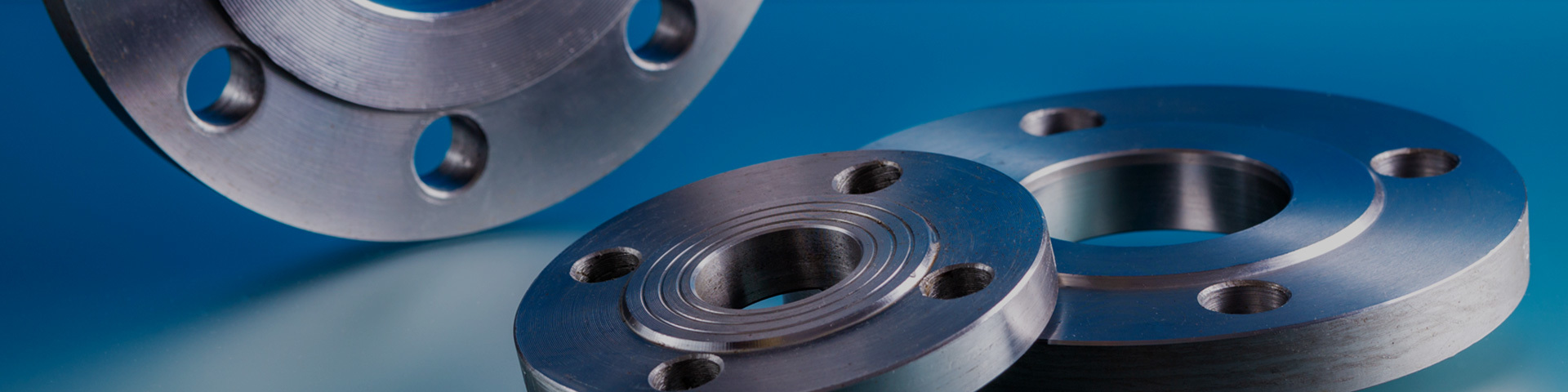
Understanding ANSI B16.5 WN Flanges: A Comprehensive Guide for Professionals
Date:
2026-06-17
ANSI B16.5 WN flanges, or Weld Neck flanges, play a vital role in the piping industry, particularly in construction and decorative materials. These flanges are designed according to the standards set by the American National Standards Institute (ANSI) and are available in various sizes and pressure ratings. One of the defining features of WN flanges is their long neck, which allows for a smoother
The primary purpose of ANSI B16.5 WN flanges is to provide a secure connection between two sections of pipe. They are particularly beneficial in high-pressure applications where the risk of leakage must be minimized. The weld neck design allows for a full penetration weld, ensuring that the connection is both strong and reliable. This characteristic makes WN flanges a preferred choice in industries such as oil and gas, chemical processing, and water treatment.
When selecting ANSI B16.5 WN flanges, several factors need to be considered. First and foremost is the flange material, which can range from carbon steel to stainless steel and even alloys, depending on the application requirements. Each material has its own set of mechanical properties and corrosion resistance features. Additionally, the flange must be compatible with the piping system in terms of pressure rating and size. ANSI B16.5 provides a range of pressure classes, allowing for tailored solutions to meet specific operational demands.
Installation of ANSI B16.5 WN flanges requires careful attention to detail. Proper alignment during installation is crucial to prevent stress and ensure even distribution of loads. It is also essential to follow the correct welding procedures to achieve a quality joint. This involves preheating the flange and pipe if necessary and using the appropriate filler material to enhance the bond.
Maintenance of WN flanges is another aspect that professionals should consider. Regular inspections should be conducted to check for signs of wear or corrosion. Flanges that are exposed to harsh environments may require more frequent monitoring to ensure their longevity and performance.
In conclusion, ANSI B16.5 WN flanges are integral components in a variety of piping systems within the construction and decorative materials sector. Their robust design, combined with the ability to accommodate high-pressure applications, makes them a go-to choice for professionals. Understanding the specifications, applications, and maintenance practices associated with these flanges can significantly enhance operational efficiency and safety in your projects.
Key Words:
Related News

PROFESSIONAL MANUFACTURER OF
FLANGES AND PIPE FITTINGS
Sanshi (Hebei) Industry Co., Ltd
Address: Cangzhou Mengcun Hui Autonomous County Hope New Area, Hebei province
Mail: wendy@sanshifitting.com


Copyright © 2023 Sanshi (Hebei) Industrial Co., Ltd