
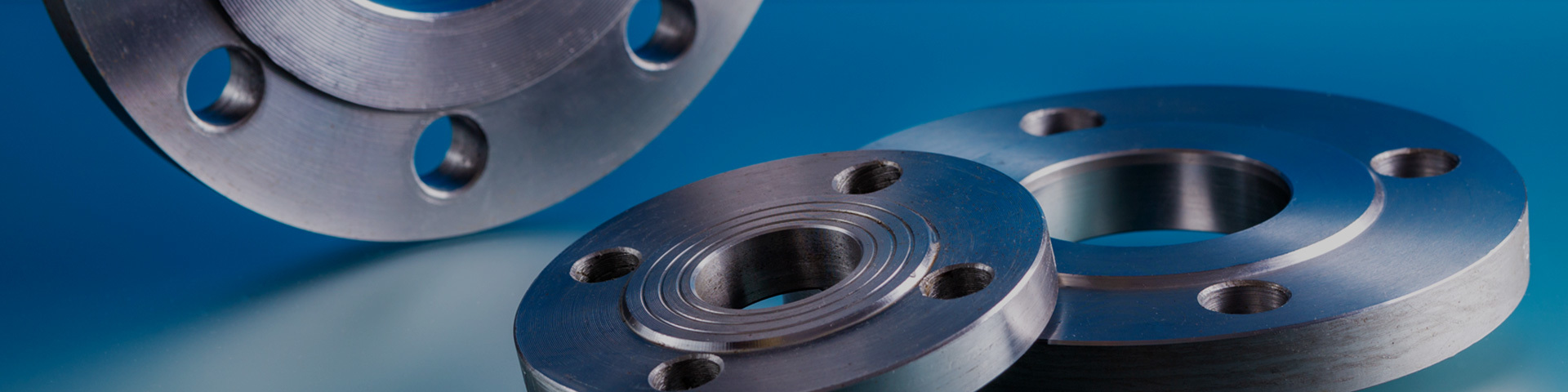
A Comprehensive Guide to ANSI B16.5 WN Flanges: What You Need to Know
Date:
2026-07-22
A Comprehensive Guide to ANSI B16.5 WN Flanges: What You Need to Know Flanges play a crucial role in connecting piping systems, and understanding the specifications surrounding them is vital for ensuring system integrity and performance. One of the most commonly referenced standards in the industry is ANSI B16.5, which covers welded neck (WN) flanges. In this comprehensive guide, we will explore A
A Comprehensive Guide to ANSI B16.5 WN Flanges: What You Need to Know
Flanges play a crucial role in connecting piping systems, and understanding the specifications surrounding them is vital for ensuring system integrity and performance. One of the most commonly referenced standards in the industry is ANSI B16.5, which covers welded neck (WN) flanges. In this comprehensive guide, we will explore ANSI B16.5 WN flanges in detail, discussing their specifications, applications, benefits, maintenance, and troubleshooting techniques.
Table of Contents
- What are ANSI B16.5 WN Flanges?
- Importance of ANSI B16.5 Standard
- Material Specifications for ANSI B16.5 WN Flanges
- Dimensions and Thickness
- Applications of WN Flanges
- Advantages of Using WN Flanges
- Installation Guidelines for ANSI B16.5 WN Flanges
- Maintenance Tips for WN Flanges
- Troubleshooting Common Issues with WN Flanges
- Conclusion
What are ANSI B16.5 WN Flanges?
ANSI B16.5 WN flanges are a type of flange that features a neck that extends from the flange face to the pipe. This design allows for a smooth transition from the flange to the pipe, thereby reducing stress and improving flow characteristics. These flanges are used at the ends of pipes, valves, and fittings in various systems, ensuring secure connections while allowing for easy assembly and disassembly.
Welded Neck Flanges
The welded neck design is beneficial as it provides additional strength and stability, especially in high-pressure applications. The thicker neck also allows for better weld integrity, reducing the risk of leaks and failures. ANSI B16.5 specifically addresses the manufacturing and testing standards for these flanges, ensuring that they meet rigorous engineering and safety criteria.
Importance of ANSI B16.5 Standard
The ANSI B16.5 standard is essential for the construction and maintenance of piping systems across various industries, including oil and gas, chemical processing, and water treatment. It provides guidelines for the dimensions, tolerances, materials, and testing procedures for flanges, ensuring that they can withstand the pressures and temperatures they will encounter in service.
Ensuring Compatibility
Using ANSI B16.5 flanges ensures compatibility with other components within a piping system. This standardization simplifies the procurement process, allowing engineers and contractors to source high-quality parts that meet specific project requirements. Moreover, compliance with industry standards enhances safety and performance, critical factors in maintaining operational efficiency.
Material Specifications for ANSI B16.5 WN Flanges
ANSI B16.5 WN flanges can be manufactured from various materials, each offering unique properties suited to different applications. The most common materials include:
- Carbon Steel
- Stainless Steel
- Alloy Steel
- Nickel Alloys
Carbon Steel Flanges
Carbon steel flanges are widely used due to their strength and affordability. They are suitable for low to moderate temperature and pressure applications. However, they may require protective coatings to prevent corrosion in harsh environments.
Stainless Steel Flanges
Stainless steel flanges provide excellent corrosion resistance and are ideal for applications involving chemicals and high moisture. They are available in various grades, including 304 and 316, with the latter offering superior resistance to chloride-induced corrosion.
Alloy and Nickel Flanges
Alloy steel and nickel alloy flanges are used in specialized applications with extreme temperatures and pressures. These materials exhibit high strength and resistance to corrosion and wear, making them suitable for critical environments such as oil refineries and chemical plants.
Dimensions and Thickness
ANSI B16.5 WN flanges are available in various sizes, from ½ inch to 24 inches in diameter, with different pressure ratings ranging from 150 to 2500 pounds. The dimensions specify the outer diameter, bolt circle diameter, and the thickness of the flange neck, which is crucial for ensuring proper fit and function within a piping system.
Understanding Pressure Ratings
Pressure ratings of ANSI B16.5 WN flanges indicate the maximum pressure the flange can withstand at a specific temperature. Higher pressure ratings mean thicker flanges, which contribute to increased strength and durability. Selecting the appropriate pressure rating is essential for preventing flange failure under operating conditions.
Applications of WN Flanges
ANSI B16.5 WN flanges are versatile components used in various industries. Here are some common applications:
- Oil and Gas Pipelines
- Chemical Processing Plants
- Water Treatment Facilities
- Power Generation Systems
Oil and Gas Pipelines
In the oil and gas industry, WN flanges are extensively used due to their strength and reliability. They secure connections between pipes, valves, and equipment, ensuring the safe transport of hydrocarbons under high pressure.
Chemical Processing Plants
Chemical processing facilities require flanges that can withstand corrosive substances and high temperatures. Stainless steel and alloy flanges are often employed in these environments to maintain system integrity.
Water Treatment Facilities
Water treatment systems utilize WN flanges for their ability to create tight seals, preventing leaks and ensuring the efficient flow of treated water through pipelines.
Advantages of Using WN Flanges
Choosing ANSI B16.5 WN flanges offers several benefits:
- Enhanced Strength and Durability
- Improved Flow Characteristics
- Ease of Installation and Maintenance
- Versatility Across Industries
Enhanced Strength and Durability
The design of WN flanges contributes to their strength and durability. The neck provides additional support, reducing stress concentrations that could lead to failure.
Improved Flow Characteristics
With a smooth transition from the flange to the pipe, WN flanges minimize turbulence and pressure drop, optimizing flow characteristics within the piping system.
Ease of Installation and Maintenance
WN flanges are straightforward to install and can be quickly disassembled for maintenance or repairs, making them a practical choice for many applications.
Installation Guidelines for ANSI B16.5 WN Flanges
Proper installation is crucial for the performance and longevity of ANSI B16.5 WN flanges. Here are essential guidelines to follow:
- Clean the Flange Faces
- Use Correct Gasket Material
- Follow Torque Specifications
Clean the Flange Faces
Before installation, ensure that the flange faces are clean and free from debris or imperfections. This step is critical for preventing leaks and ensuring a proper seal.
Use Correct Gasket Material
Select an appropriate gasket material based on the application’s temperature, pressure, and media. The right gasket ensures a reliable seal between the flanges.
Follow Torque Specifications
Consult manufacturer guidelines for torque specifications during installation. Proper torque ensures that the flanges are securely fastened without risking damage or distortion.
Maintenance Tips for WN Flanges
Regular maintenance is essential for the longevity of ANSI B16.5 WN flanges. Here are helpful maintenance tips:
- Inspect for Corrosion
- Check for Leaks
- Monitor Pressure Levels
Inspect for Corrosion
Regularly inspect flanges for signs of corrosion, especially in environments where corrosive substances are present. Timely intervention can prevent severe damage.
Check for Leaks
Perform routine checks for leaks, particularly after installation or maintenance. Early detection of leaks can save costs and prevent system failures.
Monitor Pressure Levels
Keep an eye on pressure levels within the system. Excessive pressure can lead to flange failure, so monitoring is crucial for operational safety.
Troubleshooting Common Issues with WN Flanges
Despite proper installation and maintenance, issues may arise with ANSI B16.5 WN flanges. Here are common problems and their solutions:
- Flange Leaks
- Corrosion
- Loose Bolts
Flange Leaks
Leaks often occur due to improper installation or worn gaskets. To address this, re-tighten bolts and replace any damaged gaskets, ensuring a proper seal.
Corrosion
Corrosion can be mitigated by applying protective coatings and selecting corrosion-resistant materials during installation. Regular inspections are essential for early detection.
Loose Bolts
Loose bolts can lead to leaks and system failures. Regularly check and tighten bolts according to manufacturer torque specifications to maintain flange integrity.
Conclusion
ANSI B16.5 WN flanges are integral components in various piping systems, offering strength, reliability, and versatility. Understanding their specifications, material requirements, and installation practices is crucial for ensuring optimal performance and longevity. By following proper maintenance and troubleshooting techniques, you can maximize the efficiency and safety of your piping systems. Whether you are working in oil and gas, chemical processing, or water treatment, incorporating ANSI B16.5 WN flanges into your operations can lead to significant benefits.
Frequently Asked Questions (FAQs)
1. What is the difference between WN flanges and other flange types?
WN flanges feature a neck that extends from the flange face, providing better strength and flow characteristics compared to other types like slip-on or blind flanges.
2. Can ANSI B16.5 WN flanges be used in high-temperature applications?
Yes, WN flanges can be designed to withstand high temperatures, especially when made from appropriate materials like stainless steel or alloy steel.
3. How do I determine the appropriate size of WN flanges for my application?
To determine the appropriate size, consider factors such as pipe diameter, pressure rating, and the specific requirements of your piping system.
4. What gaskets should be used with ANSI B16.5 WN flanges?
Choose gaskets based on the application’s temperature, pressure, and media. Common materials include rubber, PTFE, and metal gaskets for various conditions.
5. How often should I inspect ANSI B16.5 WN flanges?
Regular inspections should be conducted at least annually, with more frequent checks recommended in high-stress environments or after maintenance activities.
Key Words:
Related News

PROFESSIONAL MANUFACTURER OF
FLANGES AND PIPE FITTINGS
Sanshi (Hebei) Industry Co., Ltd
Address: Cangzhou Mengcun Hui Autonomous County Hope New Area, Hebei province
Mail: wendy@sanshifitting.com


Copyright © 2023 Sanshi (Hebei) Industrial Co., Ltd