
Cost-effective Solutions: JIS B2220 Slip-on Welding Flanges Explained
Date:
2026-06-24
Cost-effective Solutions: JIS B2220 Slip-on Welding Flanges Explained Introduction to JIS B2220 Slip-on Welding Flanges In the realm of piping systems, **JIS B2220 slip-on welding flanges** emerge as a popular choice for various applications. Their design and functionality offer numerous advantages that contribute to cost-effectiveness and efficiency. Understanding these flanges is essential f
Cost-effective Solutions: JIS B2220 Slip-on Welding Flanges Explained
Introduction to JIS B2220 Slip-on Welding Flanges
In the realm of piping systems, **JIS B2220 slip-on welding flanges** emerge as a popular choice for various applications. Their design and functionality offer numerous advantages that contribute to cost-effectiveness and efficiency. Understanding these flanges is essential for anyone involved in construction, plumbing, and piping design.
What Are JIS B2220 Slip-on Welding Flanges?
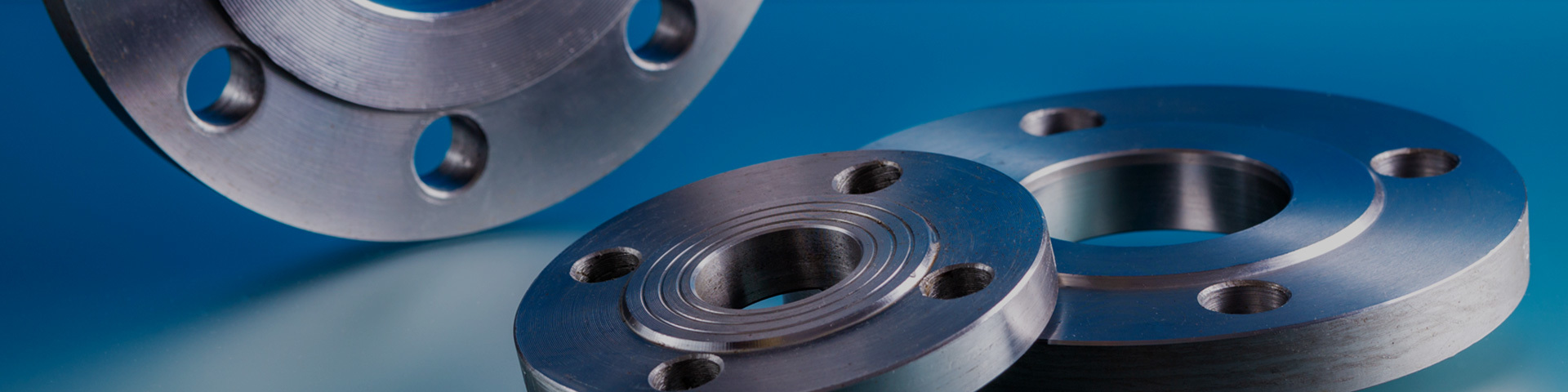
**JIS B2220 slip-on welding flanges** are a type of piping component designed to facilitate the connection of pipes in a system. The "JIS" stands for Japanese Industrial Standards, which means that these flanges adhere to specific quality and dimension regulations established in Japan. The slip-on design allows for easy installation, making them a preferred choice for many engineers and contractors.
Characteristics of JIS B2220 Slip-on Welding Flanges
The **JIS B2220 flanges** are characterized by several key features:
- **Material:** Typically made from carbon steel, stainless steel, or alloy steel, these flanges exhibit high strength and durability.
- **Design:** The slip-on design allows the flange to slide over the pipe, facilitating a straightforward welding process.
- **Pressure Ratings:** These flanges come in various pressure ratings, enabling usage in different applications, from low-pressure systems to high-pressure environments.
The Advantages of Using JIS B2220 Slip-on Welding Flanges
Understanding the benefits of JIS B2220 slip-on welding flanges helps in making informed decisions for piping system projects.
1. Cost-Effectiveness
One of the most compelling reasons to choose **slip-on welding flanges** is their cost-effectiveness. The design reduces manufacturing costs and installation time, translating into savings for projects.
2. Ease of Installation
The slip-on feature simplifies the installation process. Flanges can be easily positioned before final welding, allowing for greater flexibility during the installation process.
3. Versatility
These flanges can be used in various applications, including water, gas, and oil pipelines. Their versatility makes them suitable for many different industries, including construction, plumbing, and chemical processing.
4. Enhanced Sealing Capability
When properly welded, slip-on flanges create a strong seal, reducing the risk of leaks and enhancing the safety of the piping system.
Applications of JIS B2220 Slip-on Welding Flanges
JIS B2220 slip-on welding flanges find applications in numerous sectors. Understanding where and how they are used can highlight their importance.
1. Water Supply Systems
These flanges are widely utilized in municipal water supply systems, ensuring safe and reliable connections between pipes. Their ability to withstand pressure makes them ideal for this application.
2. Oil and Gas Pipelines
In the oil and gas industry, the durability and leak-proof characteristics of JIS B2220 flanges make them a preferred choice for pipeline connections.
3. Chemical Processing Plants
Due to their resistance to corrosion and high temperatures, these flanges are commonly used in chemical processing facilities, where the integrity of piping systems is critical.
4. HVAC Systems
In heating, ventilation, and air conditioning systems, the efficiency of JIS B2220 flanges contributes to optimal performance, ensuring effective airflow and temperature control.
Installation Process of JIS B2220 Slip-on Welding Flanges
Installing JIS B2220 slip-on welding flanges is straightforward, but certain steps must be followed to ensure a reliable connection.
Step 1: Preparation
Begin by cutting the pipes to the required length and ensuring that the ends are smooth and clean. This preparation is vital for a strong weld.
Step 2: Positioning the Flange
Slip the flange over the pipe until it reaches the desired position. Ensure that it is centered and aligned correctly, as this will affect the quality of the weld.
Step 3: Tack Welding
Tack weld the flange to secure it in place temporarily. This step is crucial, as it allows for adjustments before final welding.
Step 4: Final Welding
Perform the final welding around the flange, ensuring a complete seal. This step should be executed with care to maintain the integrity of the joint.
Step 5: Inspection
After the welding process, inspect the joints for any defects. Ensure that there are no gaps or uneven welds, which could jeopardize the connection.
Maintenance and Care for JIS B2220 Slip-on Welding Flanges
Proper maintenance of JIS B2220 slip-on welding flanges can prolong their lifespan and ensure the reliability of the entire piping system.
Regular Inspections
Conduct regular inspections to check for signs of wear, corrosion, or leaks. Early detection of issues can prevent costly repairs in the future.
Cleaning
Keep the flanges clean and free from debris. Accumulation of materials can lead to corrosion and affect the performance of the flanges.
Repainting
If the flanges are exposed to harsh environmental conditions, consider repainting them with protective coatings to prevent rust and deterioration.
Comparative Analysis: JIS B2220 vs. Other Flange Types
Understanding how JIS B2220 slip-on welding flanges compare to other flange types can assist in selecting the right one for specific applications.
1. JIS B2220 vs. Weld Neck Flanges
While both flanges provide strong connections, weld neck flanges are often used in high-pressure environments. However, they are more expensive and require more intricate installation compared to slip-on flanges.
2. JIS B2220 vs. Blind Flanges
Blind flanges are used to seal the ends of pipes and do not allow for the passage of fluids. In contrast, slip-on flanges facilitate connections and offer more versatility in applications.
3. JIS B2220 vs. Socket Weld Flanges
Socket weld flanges are used in high-pressure systems similar to JIS B2220 slip-on flanges. However, the installation of socket weld flanges can be more complex and may require more precise machining.
Frequently Asked Questions (FAQs)
1. What is the primary advantage of using JIS B2220 slip-on welding flanges?
The primary advantage is their cost-effectiveness and ease of installation, making them suitable for a wide range of applications.
2. Can JIS B2220 flanges be used for high-pressure applications?
Yes, JIS B2220 flanges come in various pressure ratings, making them suitable for both low and high-pressure piping systems.
3. What materials are commonly used for JIS B2220 slip-on welding flanges?
Common materials include carbon steel, stainless steel, and alloy steel, each offering different properties suitable for various applications.
4. How do I ensure proper sealing with JIS B2220 flanges?
Proper welding techniques and regular inspections can ensure that the flanges maintain a reliable seal, preventing leaks.
5. What industries commonly utilize JIS B2220 slip-on welding flanges?
These flanges are widely used in water supply systems, oil and gas pipelines, chemical processing plants, and HVAC systems.
Conclusion
In summary, **JIS B2220 slip-on welding flanges** offer a cost-effective and efficient solution for various piping applications. Their advantages—ranging from ease of installation to versatility—make them a preferred choice in the construction and decoration materials industry. By understanding their characteristics, applications, and installation processes, professionals can make informed decisions that enhance the performance and reliability of their piping systems. Employing best practices in maintenance can further ensure the longevity and functionality of these essential components.
Key Words:
Related News

PROFESSIONAL MANUFACTURER OF
FLANGES AND PIPE FITTINGS
Sanshi (Hebei) Industry Co., Ltd
Address: Cangzhou Mengcun Hui Autonomous County Hope New Area, Hebei province
Mail: wendy@sanshifitting.com


Copyright © 2023 Sanshi (Hebei) Industrial Co., Ltd