
GOST 12820-80 Plate Flange Materials: Choosing the Best Option for Your Project
Date:
2026-05-22
Understanding GOST 12820-80 Plate Flange Materials GOST 12820-80 outlines the specifications for plate flanges used in various piping systems. These flanges are crucial components in construction and industrial applications, providing a secure connection between pipes, valves, and other equipment. Selecting the right material for your plate flanges is vital to ensure durability, reliability, and
Understanding GOST 12820-80 Plate Flange Materials
GOST 12820-80 outlines the specifications for plate flanges used in various piping systems. These flanges are crucial components in construction and industrial applications, providing a secure connection between pipes, valves, and other equipment. Selecting the right material for your plate flanges is vital to ensure durability, reliability, and performance in your projects.
What Are Plate Flanges?
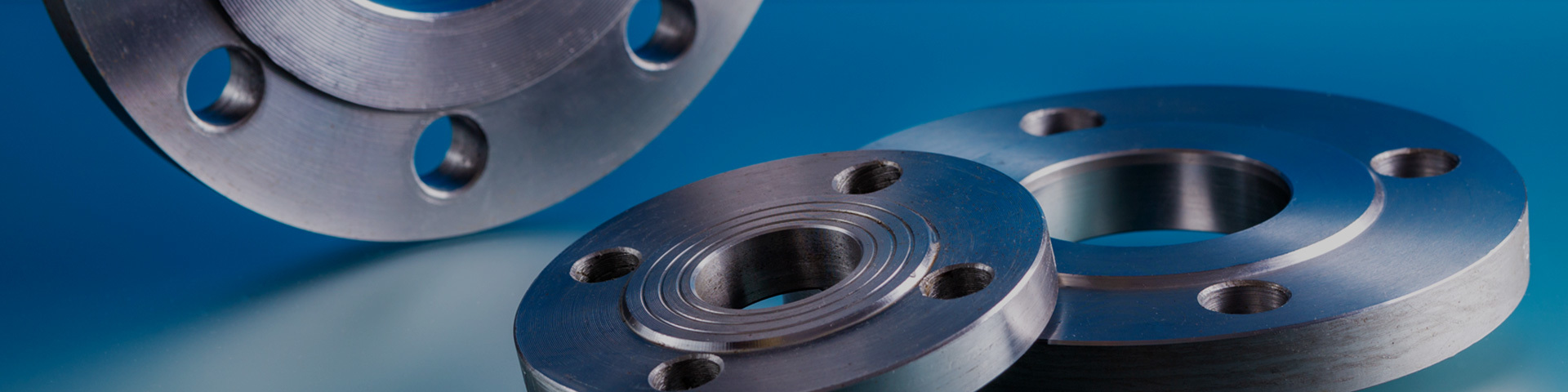
Plate flanges are flat disks with a hole in the center used to connect pipes or other equipment. They feature bolt holes around the perimeter, allowing for a mechanical connection that can withstand pressure. The GOST 12820-80 standard provides specifications for dimensions, tolerances, and materials, ensuring compatibility and safety in various applications.
Importance of Selecting the Right Material
Choosing the appropriate material for plate flanges directly impacts the longevity and performance of the piping system. Factors such as temperature, pressure, and the type of fluid being transported must all be considered when making this selection. The wrong choice can lead to failures, leaks, and costly repairs.
Common Materials Used for GOST 12820-80 Plate Flanges
Several materials are suitable for manufacturing GOST 12820-80 plate flanges. Each material has unique properties, advantages, and disadvantages that must be evaluated based on your specific needs.
1. Carbon Steel Flanges
Carbon steel is one of the most commonly used materials for GOST 12820-80 plate flanges. It is known for its strength and durability, making it an ideal choice for high-pressure applications.
Advantages of Carbon Steel Flanges
- **High Strength:** Carbon steel flanges can handle significant pressure, making them suitable for heavy-duty applications.
- **Cost-Effective:** Compared to other materials, carbon steel is relatively affordable, making it a popular choice for budget-conscious projects.
- **Weldability:** Carbon steel flanges can be easily welded to pipes, providing a strong and permanent connection.
Disadvantages of Carbon Steel Flanges
- **Corrosion Susceptibility:** Carbon steel is prone to rust and corrosion, especially in humid or corrosive environments. Proper coatings or painting processes are necessary to mitigate this issue.
- **Limited Temperature Range:** High temperatures can affect the structural integrity of carbon steel, making it unsuitable for some applications.
2. Stainless Steel Flanges
Stainless steel is another popular material for GOST 12820-80 plate flanges. Known for its resistance to corrosion and high temperatures, stainless steel is ideal for a variety of applications.
Advantages of Stainless Steel Flanges
- **Corrosion Resistance:** Stainless steel flanges resist rust and corrosion, making them suitable for use in harsh environments.
- **High Temperature Resistance:** These flanges can withstand elevated temperatures without losing strength or integrity.
- **Aesthetic Appeal:** Stainless steel has a clean, polished appearance, making it ideal for decorative applications.
Disadvantages of Stainless Steel Flanges
- **Higher Cost:** Stainless steel flanges are more expensive than carbon steel options, which may limit their use in some projects.
- **Difficult to Weld:** Welding stainless steel requires specialized techniques and equipment, which may increase labor costs.
3. Alloy Steel Flanges
Alloy steel flanges are made from a mixture of steel and other elements (such as nickel, chromium, or molybdenum) to enhance specific properties.
Advantages of Alloy Steel Flanges
- **Enhanced Strength:** Alloy steel offers superior strength and toughness compared to carbon steel.
- **Heat and Corrosion Resistance:** The addition of alloying elements improves performance under extreme conditions.
- **Versatility:** Alloy steel flanges are suitable for a wide range of applications, from oil and gas to chemical processing.
Disadvantages of Alloy Steel Flanges
- **Cost:** The manufacturing process for alloy steel flanges can be more expensive due to the use of specialized elements.
- **Complexity in Sourcing:** Finding the right grade of alloy steel can be more challenging than sourcing standard carbon or stainless steel.
4. Ductile Iron Flanges
Ductile iron is a type of cast iron known for its ductility and strength, making it a viable option for GOST 12820-80 plate flanges.
Advantages of Ductile Iron Flanges
- **High Strength-to-Weight Ratio:** Ductile iron flanges offer a great balance of strength and weight, making them easier to handle.
- **Excellent Shock Absorption:** The material is capable of absorbing shocks and stresses without fracturing.
- **Cost-Effective:** Ductile iron is generally less expensive than stainless steel or alloy steel.
Disadvantages of Ductile Iron Flanges
- **Corrosion Risk:** While ductile iron has some corrosion resistance, it is not as robust as stainless steel.
- **Limited Applications:** Its mechanical properties may not be suitable for all high-pressure applications.
Choosing the Right Material for Your Needs
When deciding on the best material for your GOST 12820-80 plate flanges, consider the following factors:
1. Application Requirements
Assess the purpose of your piping system. Will it be used for transporting water, oil, gas, or chemicals? Each application may require different material properties.
2. Environmental Conditions
Consider the environment where the flanges will be used. Will they be exposed to high humidity, corrosive substances, or extreme temperatures? Choose a material that can withstand these conditions.
3. Budget Constraints
Determine your budget and how much you are willing to invest in flange materials. While some materials may offer better performance, they may also come with a higher price tag.
4. Availability and Sourcing
Evaluate the availability of the chosen materials in your region. Ensure that you can source the necessary flanges without significant delays.
Frequently Asked Questions (FAQs)
1. What is GOST 12820-80?
GOST 12820-80 is a Russian standard that specifies the requirements for plate flanges used in piping systems. It covers dimensions, tolerances, and materials to ensure compatibility and safety.
2. How do I determine which flange material to choose?
To select the right flange material, consider the application requirements, environmental conditions, budget constraints, and availability of materials.
3. Are stainless steel flanges more durable than carbon steel flanges?
Yes, stainless steel flanges generally offer better corrosion resistance and can withstand higher temperatures compared to carbon steel flanges.
4. Can ductile iron flanges be used in high-pressure applications?
Ductile iron flanges can handle moderate pressure levels but may not be suitable for all high-pressure applications compared to carbon or alloy steel flanges.
5. What are the advantages of using alloy steel for flanges?
Alloy steel flanges provide enhanced strength, toughness, and resistance to heat and corrosion, making them versatile for a variety of demanding applications.
Conclusion
Selecting the right material for GOST 12820-80 plate flanges is critical to ensuring the integrity and performance of your piping systems. By understanding the advantages and disadvantages of materials such as carbon steel, stainless steel, alloy steel, and ductile iron, you can make an informed choice that aligns with your specific project requirements. Remember to consider factors like application requirements, environmental conditions, budget constraints, and material availability to ensure the best possible outcome for your project.
Key Words:
Related News

PROFESSIONAL MANUFACTURER OF
FLANGES AND PIPE FITTINGS
Sanshi (Hebei) Industry Co., Ltd
Address: Cangzhou Mengcun Hui Autonomous County Hope New Area, Hebei province
Mail: wendy@sanshifitting.com


Copyright © 2023 Sanshi (Hebei) Industrial Co., Ltd