
Comprehensive Guide to ANSI B16.5 SO Flanges: Key Insights for Professionals
Date:
2026-05-18
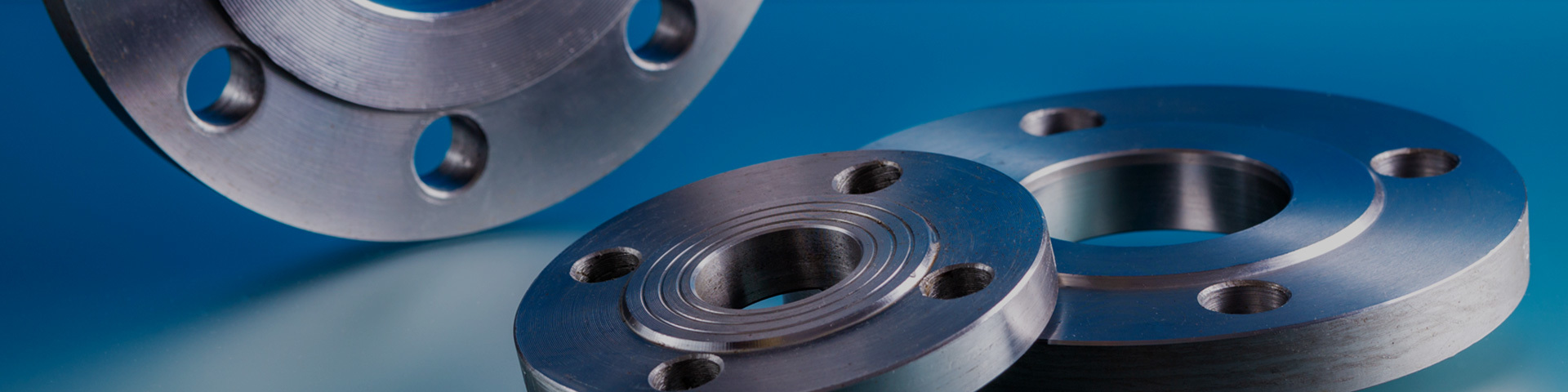
ANSI B16.5 SO flanges, or Slip-On flanges, are a widely used component in piping systems across various industries, particularly in construction and decorative materials. Understanding the specifics of ANSI B16.5 SO flanges is essential for professionals involved in the design, installation, and maintenance of piping systems. The ANSI B16.5 standard outlines the dimensions, tolerances, and materia
The ANSI B16.5 standard outlines the dimensions, tolerances, and material requirements for flanges, which are crucial for ensuring compatibility and safety in piping applications. SO flanges are designed to slip over the pipe, providing a simple and effective means of connection. This feature allows for easier alignment and installation, making them a popular choice for many engineers and contractors.
One of the significant advantages of ANSI B16.5 SO flanges is their versatility. They can be used in a variety of applications, including water, oil, gas, and chemical processing systems. The ability to easily fit these flanges onto pipes means that they are often utilized in situations where space is limited or when swift installation is necessary. Their design also allows for the use of a standard gasket, which can help maintain sealing integrity and reduce the risk of leaks.
When working with ANSI B16.5 SO flanges, it is crucial to consider the material specifications. These flanges are available in various materials, including carbon steel, stainless steel, and alloy steel, each offering different levels of strength and corrosion resistance. Selecting the appropriate material based on the application's specific environment and pressure requirements is vital to ensure longevity and performance.
Additionally, professionals should be aware of the pressure ratings associated with ANSI B16.5 SO flanges. These ratings are categorized into classes (such as 150, 300, and 600), which indicate the maximum pressure the flange can withstand at a given temperature. Understanding these ratings is critical for ensuring that the system operates safely and efficiently under varying conditions.
Installation practices for ANSI B16.5 SO flanges are also essential. Proper alignment and adequate torque when tightening bolts are necessary to achieve a secure connection and prevent leakage. It is recommended to follow industry best practices and guidelines for installation to ensure optimal performance.
In summary, ANSI B16.5 SO flanges play a pivotal role in the construction and decorative materials industry, offering a reliable and versatile solution for piping systems. By understanding their specifications, materials, and installation procedures, professionals can enhance the integrity and efficiency of their projects, ultimately leading to successful outcomes in various applications.
Key Words:
Related News

PROFESSIONAL MANUFACTURER OF
FLANGES AND PIPE FITTINGS
Sanshi (Hebei) Industry Co., Ltd
Address: Cangzhou Mengcun Hui Autonomous County Hope New Area, Hebei province
Mail: wendy@sanshifitting.com


Copyright © 2023 Sanshi (Hebei) Industrial Co., Ltd