
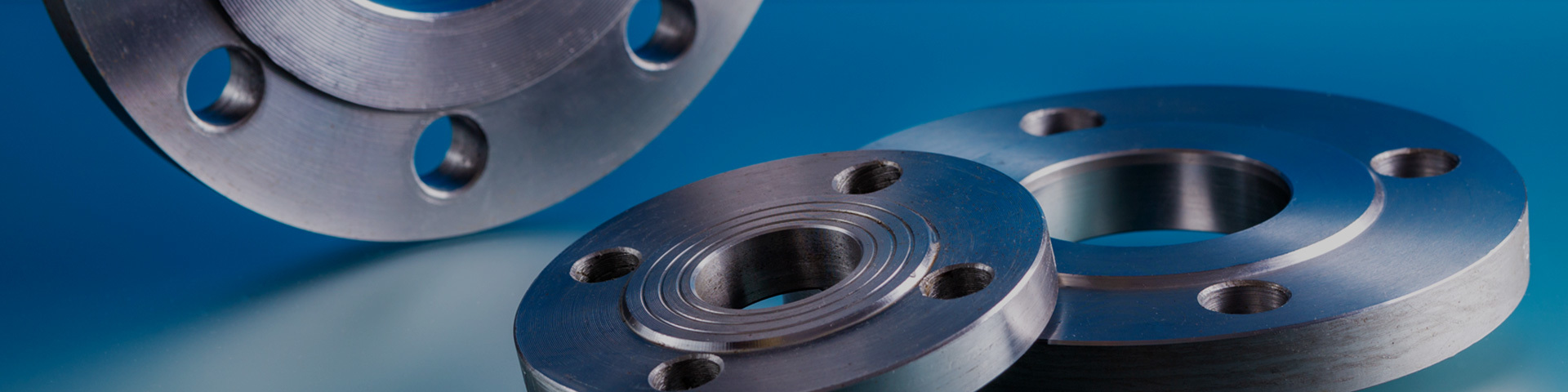
Understanding JIS B2220 Slip-on Welding Flange: Essential Insights for Professionals
Date:
2026-05-15
In the realm of piping systems, the JIS B2220 slip-on welding flange plays a significant role in ensuring secure connections between pipes. This standard, originating from Japan, outlines the dimensions and specifications for slip-on flanges that are widely used in various industries, including construction and decoration materials. A slip-on welding flange is designed to slide over the end of a p
A slip-on welding flange is designed to slide over the end of a pipe, allowing for easy alignment and quick installation. Once positioned, the flange is welded to the pipe, creating a strong and durable joint. This design facilitates efficient assembly, making it a preferred choice for many professionals in the field. The JIS B2220 standard specifies different pressure ratings, allowing users to select the appropriate flange for their specific application, ensuring safety and reliability.
One of the key advantages of JIS B2220 slip-on welding flanges is their versatility. They are suitable for use in a variety of environments, including water supply systems, chemical processing, and oil and gas industries. Their design accommodates both high and low-pressure applications, making them ideal for a wide range of projects. Additionally, the slip-on design simplifies installation, reducing labor costs and time, which is crucial in project management.
Moreover, the JIS B2220 standard emphasizes the importance of material selection for these flanges. Common materials include carbon steel, stainless steel, and alloy steel, each providing different properties suited for specific conditions. For instance, stainless steel flanges are highly resistant to corrosion, making them perfect for harsh environments, while carbon steel flanges offer excellent strength and durability.
The JIS B2220 slip-on welding flange also promotes ease of maintenance and replacement. Due to their straightforward design, if a flange becomes damaged or corroded, it can be replaced without the need for extensive disassembly of the piping system. This feature is particularly beneficial in large installations where downtime can lead to significant costs.
In conclusion, understanding the JIS B2220 slip-on welding flange is essential for professionals in the construction and decoration materials industry. Its robust design, adaptability to various applications, and ease of use make it a vital component in many piping systems. By choosing the right flange in accordance with the JIS B2220 standard, professionals can ensure the integrity and longevity of their projects while optimizing operational efficiency.
Key Words:
Related News

PROFESSIONAL MANUFACTURER OF
FLANGES AND PIPE FITTINGS
Sanshi (Hebei) Industry Co., Ltd
Address: Cangzhou Mengcun Hui Autonomous County Hope New Area, Hebei province
Mail: wendy@sanshifitting.com


Copyright © 2023 Sanshi (Hebei) Industrial Co., Ltd