
Why ANSI B16.5 WN Flanges are Essential for Durable Piping Solutions
Date:
2026-05-08
Understanding ANSI B16.5 WN Flanges: The Backbone of Piping Systems In the world of piping solutions, the integrity and durability of the system are paramount. Among the myriad components that contribute to the robustness of piping networks, **ANSI B16.5 WN (Weld Neck) flanges** stand out due to their design, functionality, and versatility. In this article, we will explore why these flanges are es
Understanding ANSI B16.5 WN Flanges: The Backbone of Piping Systems
In the world of piping solutions, the integrity and durability of the system are paramount. Among the myriad components that contribute to the robustness of piping networks, **ANSI B16.5 WN (Weld Neck) flanges** stand out due to their design, functionality, and versatility. In this article, we will explore why these flanges are essential for creating durable piping solutions, examining their features, applications, and best practices.
The Importance of Flanges in Piping Systems
Flanges are critical components used to connect pipes, valves, and other equipment in a piping system. They provide a secure joint that can withstand high pressures and temperatures, which is essential for the safe and efficient operation of industrial processes. The choice of flange type can significantly affect the performance and longevity of a piping system.
What Are ANSI B16.5 WN Flanges?
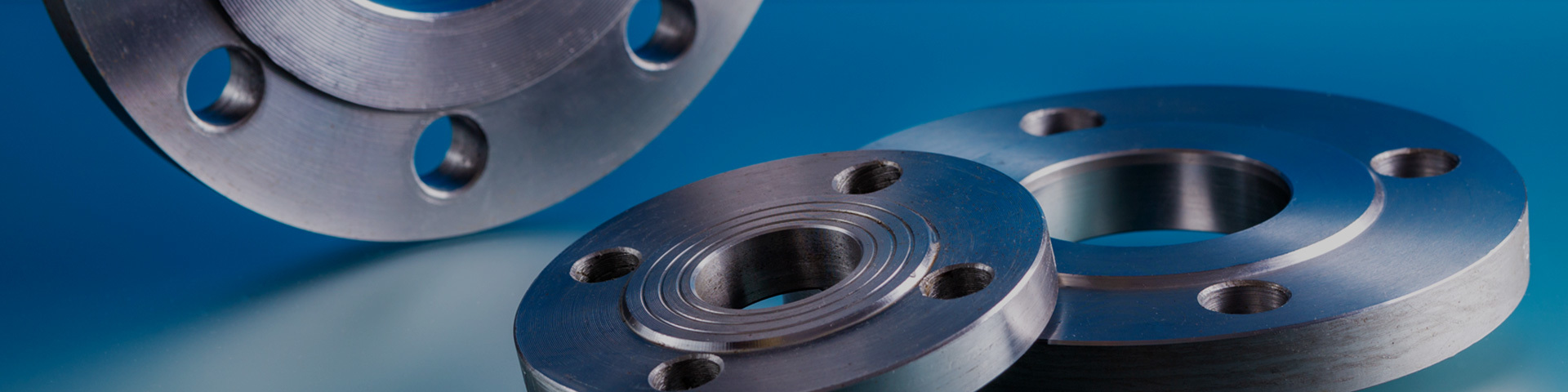
ANSI B16.5 WN flanges refer to a specific type of flange governed by the American National Standards Institute (ANSI) and designed according to the B16.5 standard. The "WN" designates "Weld Neck," a type of flange characterized by its long tapered neck that is welded to the pipe. This design allows for a smooth transition between the flange and the pipe, minimizing turbulence and stress concentrations.
Key Features of ANSI B16.5 WN Flanges
1. **Robust Design**: The long neck design helps distribute stress evenly, making these flanges ideal for high-pressure applications.
2. **Versatility**: WN flanges can be used with a variety of pipe materials, including carbon steel, stainless steel, and alloy steels.
3. **Standardization**: Adhering to ANSI B16.5 ensures compatibility with other components in the piping system, simplifying installation and maintenance.
4. **Variety of Sizes and Classes**: ANSI B16.5 WN flanges come in various sizes and pressure classes, providing flexibility for different applications.
Why Choose ANSI B16.5 WN Flanges for Your Piping Solutions?
Selecting the right flange is crucial for ensuring the durability and reliability of a piping system. Here are several reasons why ANSI B16.5 WN flanges are the preferred choice for many engineers and contractors.
1. Enhanced Strength and Durability
The robust construction of ANSI B16.5 WN flanges makes them suitable for high-stress environments. The weld neck design minimizes the risk of failure, ensuring long-lasting performance even under extreme conditions.
2. Improved Flow Efficiency
The smooth transition from the flange to the pipe minimizes turbulence, which can lead to pressure drops and inefficiencies in fluid transport. This feature is essential for maintaining system performance and reducing operational costs.
3. Easy Installation and Maintenance
The standardized dimensions and design of ANSI B16.5 WN flanges facilitate straightforward installation. Additionally, their robust design allows for easy inspections and maintenance, which is crucial for long-term operational efficiency.
4. Wide Range of Applications
ANSI B16.5 WN flanges are utilized across various industries, including oil and gas, chemical processing, water treatment, and power generation. Their versatility makes them an ideal choice for many piping systems.
Applications of ANSI B16.5 WN Flanges
Understanding where ANSI B16.5 WN flanges are commonly used can help in determining their relevance to your specific needs. Here are some prominent applications:
1. Oil and Gas Industry
In the oil and gas sector, ANSI B16.5 WN flanges are essential for connecting pipelines and equipment in upstream and downstream processes. Their ability to withstand high pressures and corrosive environments makes them indispensable in this industry.
2. Chemical Processing Plants
Chemical processing often involves the transport of hazardous materials under high pressures and temperatures. ANSI B16.5 WN flanges provide the reliability and safety required in such critical applications, ensuring the integrity of the piping system.
3. Power Generation
Power plants utilize ANSI B16.5 WN flanges to connect various components in steam, water, and gas piping systems. Their strength and durability contribute to the overall efficiency and reliability of power generation processes.
4. Water Treatment Facilities
In municipal and industrial water treatment facilities, ANSI B16.5 WN flanges are crucial for establishing secure connections within piping networks, aiding in effective water management and distribution.
Best Practices for Using ANSI B16.5 WN Flanges
To maximize the benefits of ANSI B16.5 WN flanges, it is essential to follow best practices during installation and maintenance.
1. Proper Selection of Flange Material
Choosing the appropriate material for ANSI B16.5 WN flanges based on the specific application environment is crucial. Consider factors such as temperature, pressure, and the types of fluids being transported to ensure compatibility.
2. Correct Installation Techniques
Adhering to proper installation procedures is vital for achieving a secure joint. Ensure that surfaces are clean and free from debris before welding the flange to the pipe. Following the manufacturer's guidelines during installation will help prevent leaks and failures.
3. Regular Inspection and Maintenance
Conducting regular inspections and maintenance of ANSI B16.5 WN flanges is essential for identifying potential issues before they escalate. Look for signs of wear, corrosion, or damage, and address any problems promptly.
Comparative Analysis: ANSI B16.5 WN Flanges vs. Other Flange Types
When considering piping system solutions, it's valuable to compare ANSI B16.5 WN flanges with other flange types to understand their unique advantages.
1. ANSI B16.5 WN Flanges vs. Slip-On Flanges
While slip-on flanges are easier to install, they do not provide the same level of strength and durability as WN flanges. The weld neck design distributes stress more effectively, making WN flanges a superior choice for high-pressure applications.
2. ANSI B16.5 WN Flanges vs. Blind Flanges
Blind flanges are used to seal the ends of piping systems, while WN flanges facilitate connections between pipes and other components. Each type serves a distinct purpose, and the choice depends on the specific requirements of the system.
3. ANSI B16.5 WN Flanges vs. Threaded Flanges
Threaded flanges can be easier to install, but they are generally not suitable for high-pressure applications due to the risk of leaks. WN flanges provide a more secure joint, making them preferable for critical piping systems.
FAQs About ANSI B16.5 WN Flanges
1. What is the primary function of ANSI B16.5 WN flanges?
ANSI B16.5 WN flanges are designed to connect pipes and other equipment securely, providing a robust joint that can withstand high pressures and temperatures.
2. In what industries are ANSI B16.5 WN flanges commonly used?
These flanges are commonly utilized in industries such as oil and gas, chemical processing, power generation, and water treatment.
3. How do I choose the right ANSI B16.5 WN flange for my application?
Select a flange material based on the specific environmental conditions, temperature, pressure, and fluid types to ensure compatibility and safety.
4. What are the advantages of using ANSI B16.5 WN flanges over other flange types?
WN flanges offer enhanced strength, improved flow efficiency, easy installation, and versatility across various applications, making them a preferred choice for critical piping systems.
5. How can I maintain the integrity of ANSI B16.5 WN flanges?
Regular inspection and maintenance, including checking for corrosion and wear, are essential to ensure the long-term reliability of ANSI B16.5 WN flanges in your piping systems.
Conclusion
In conclusion, ANSI B16.5 WN flanges are pivotal components in creating durable and reliable piping solutions across various industries. Their robust design, versatility, and adherence to rigorous standards make them an ideal choice for high-pressure and high-temperature applications. By understanding the features, applications, and best practices associated with ANSI B16.5 WN flanges, engineers and contractors can ensure the longevity and efficiency of their piping systems, ultimately contributing to safer and more productive industrial processes.
Key Words:
Previous:
Related News

PROFESSIONAL MANUFACTURER OF
FLANGES AND PIPE FITTINGS
Sanshi (Hebei) Industry Co., Ltd
Address: Cangzhou Mengcun Hui Autonomous County Hope New Area, Hebei province
Mail: wendy@sanshifitting.com


Copyright © 2023 Sanshi (Hebei) Industrial Co., Ltd