
Exploring the Characteristics of JIS B2220 Slip-on Welding Flanges: A Comprehensive Guide
Date:
2026-04-10
Exploring the Characteristics of JIS B2220 Slip-on Welding Flanges Table of Contents 1. Introduction to JIS B2220 Slip-on Welding Flanges 2. Key Characteristics of JIS B2220 Slip-on Welding Flanges 3. Common Materials Used in JIS B2220 Flanges 4. Applications of JIS B2220 Slip-on Welding Flanges 5. Advantages of Using JIS B2220 Slip-on Welding Flanges 6. Installation Proce
Exploring the Characteristics of JIS B2220 Slip-on Welding Flanges
Table of Contents
- 1. Introduction to JIS B2220 Slip-on Welding Flanges
- 2. Key Characteristics of JIS B2220 Slip-on Welding Flanges
- 3. Common Materials Used in JIS B2220 Flanges
- 4. Applications of JIS B2220 Slip-on Welding Flanges
- 5. Advantages of Using JIS B2220 Slip-on Welding Flanges
- 6. Installation Process of JIS B2220 Slip-on Welding Flanges
- 7. Maintenance Tips for Longevity
- 8. Frequently Asked Questions (FAQs)
- 9. Conclusion
1. Introduction to JIS B2220 Slip-on Welding Flanges
JIS B2220 slip-on welding flanges are essential components in piping systems, widely recognized for their functionality and reliability. Designed according to the Japanese Industrial Standards (JIS), these flanges enable connections between various piping elements, ensuring a leak-proof and robust assembly. This article provides a comprehensive overview of their characteristics, applications, and installation processes, serving as a vital resource for professionals in the construction and decoration materials sector.
2. Key Characteristics of JIS B2220 Slip-on Welding Flanges
JIS B2220 slip-on welding flanges are distinguished by several notable characteristics that make them suitable for a diverse range of applications:
2.1 Design and Structure
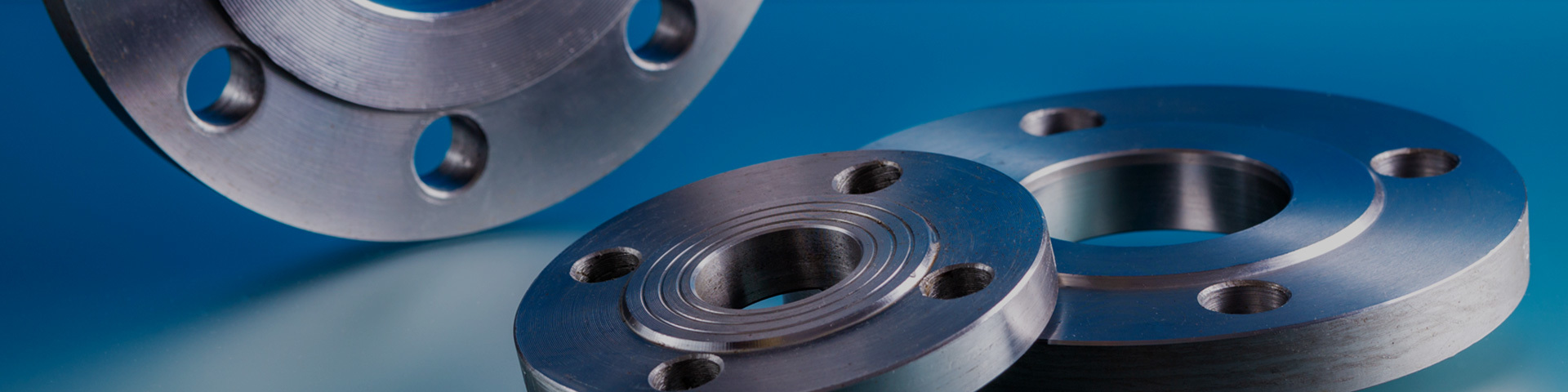
These flanges feature a flat face with a raised ring that aids in proper alignment during installation. Their design allows for easy alignment and application of welds, ensuring a secure fit.
2.2 Pressure Ratings
JIS B2220 flanges come with various pressure ratings (such as 5K, 10K, and 20K), which indicates their ability to withstand specific pressure levels. These ratings make them versatile for different operational environments.
2.3 Size Variations
Available in multiple sizes, JIS B2220 slip-on welding flanges can accommodate various pipe diameters, making them an adaptable choice for engineers and fabricators.
2.4 Material Compatibility
These flanges are compatible with multiple materials, including carbon steel, stainless steel, and alloy steel, allowing them to be used across different industries.
3. Common Materials Used in JIS B2220 Flanges
The material of a flange significantly influences its performance and suitability for specific applications. Below are some common materials used in the fabrication of JIS B2220 slip-on welding flanges:
3.1 Carbon Steel
Carbon steel flanges are popular due to their strength and durability. They are often used in industrial applications where high-load-bearing capacity is required.
3.2 Stainless Steel
Known for its corrosion resistance, stainless steel is suitable for applications that involve exposure to harsh environments or chemicals.
3.3 Alloy Steel
Alloy steel flanges offer enhanced mechanical properties, making them suitable for high-performance applications where strength and temperature stability are crucial.
4. Applications of JIS B2220 Slip-on Welding Flanges
JIS B2220 slip-on welding flanges are widely used across various industries. Here are some prominent applications:
4.1 Chemical Processing
In the chemical industry, these flanges are often used in piping systems that transport chemicals, providing secure connections that prevent leaks.
4.2 Oil and Gas
These flanges play a critical role in the oil and gas sector, facilitating connections in pipelines that transport crude oil and natural gas.
4.3 Water Supply Systems
JIS B2220 slip-on welding flanges are prevalent in municipal water supply systems, ensuring reliable connections that withstand pressure and environmental factors.
4.4 Power Generation
In power plants, these flanges are used in steam and cooling lines, contributing to the efficiency and safety of the energy generation process.
5. Advantages of Using JIS B2220 Slip-on Welding Flanges
The use of JIS B2220 slip-on welding flanges offers several advantages that enhance their appeal to engineers and fabricators:
5.1 Easy Installation
The slip-on design simplifies the installation process, allowing for quick assembly without the need for complicated alignment procedures.
5.2 Cost-Effectiveness
These flanges are generally more affordable than other flange types, making them a cost-effective option for large-scale projects.
5.3 Versatile Sizing
With a wide range of sizes available, JIS B2220 flanges can be easily matched to existing piping systems, reducing the need for custom solutions.
5.4 Enhanced Strength
When properly welded, slip-on flanges provide a robust and leak-proof connection, ensuring the long-term integrity of piping systems.
6. Installation Process of JIS B2220 Slip-on Welding Flanges
The installation of JIS B2220 slip-on welding flanges is straightforward, yet it requires careful attention to detail to ensure optimal performance. The following steps outline the installation process:
6.1 Preparing the Piping System
Before installation, ensure that the pipe ends are clean and free of debris. Proper surface preparation enhances the quality of the weld.
6.2 Aligning the Flange
Position the slip-on flange over the pipe end, ensuring proper alignment. The raised face should be flush with the pipe for an effective seal.
6.3 Welding the Flange
Weld the flange to the pipe using appropriate welding techniques. A continuous weld around the circumference of the flange is essential for a leak-proof connection.
6.4 Inspecting the Weld
After welding, inspect the joint for any defects or voids that may compromise its integrity. Conducting non-destructive testing (NDT) can ensure the quality of the weld.
7. Maintenance Tips for Longevity
To ensure the longevity and reliability of JIS B2220 slip-on welding flanges, regular maintenance is crucial. Here are some tips:
7.1 Regular Inspections
Conduct routine inspections for signs of corrosion, wear, or leaks, especially in high-pressure applications.
7.2 Proper Cleaning
Keep flanges clean and free from contaminants that may cause corrosion. Use appropriate cleaning agents that do not damage the flange material.
7.3 Prompt Repairs
Address any issues immediately to prevent minor problems from escalating into significant failures.
7.4 Follow Manufacturer Guidelines
Always adhere to the manufacturer's recommendations regarding maintenance and operational limits to maximize the lifespan of the flanges.
8. Frequently Asked Questions (FAQs)
8.1 What is the difference between slip-on and weld neck flanges?
Slip-on flanges are easier to install and typically more cost-effective, while weld neck flanges provide better stress distribution and are often used in high-pressure applications.
8.2 Can JIS B2220 flanges be used for high-temperature applications?
Yes, but it is essential to choose the right material, such as alloy steel or specific grades of stainless steel, to ensure they can withstand the operating temperatures.
8.3 How do I determine the appropriate size of JIS B2220 flanges for my project?
Select a flange size that matches the diameter of the pipes in your system, keeping in mind the pressure ratings and application requirements.
8.4 What type of welding is recommended for JIS B2220 slip-on flanges?
Generally, TIG (Tungsten Inert Gas) welding or MIG (Metal Inert Gas) welding is recommended for slip-on flanges, as they provide high-quality, clean welds.
8.5 Are JIS B2220 flanges suitable for use in marine applications?
Yes, with proper material selection and protective coatings, JIS B2220 flanges can be used in marine environments where exposure to seawater is a concern.
9. Conclusion
JIS B2220 slip-on welding flanges are integral components in various piping systems across industries. Their unique characteristics, such as ease of installation, cost-effectiveness, and material versatility, make them a preferred choice for engineers and fabricators. By understanding their features, applications, and maintenance requirements, professionals can enhance the performance and reliability of their systems. Embracing JIS B2220 slip-on welding flanges is a step toward ensuring secure and efficient piping solutions in any construction or decoration materials project.
Key Words:
Related News

PROFESSIONAL MANUFACTURER OF
FLANGES AND PIPE FITTINGS
Sanshi (Hebei) Industry Co., Ltd
Address: Cangzhou Mengcun Hui Autonomous County Hope New Area, Hebei province
Mail: wendy@sanshifitting.com


Copyright © 2023 Sanshi (Hebei) Industrial Co., Ltd