
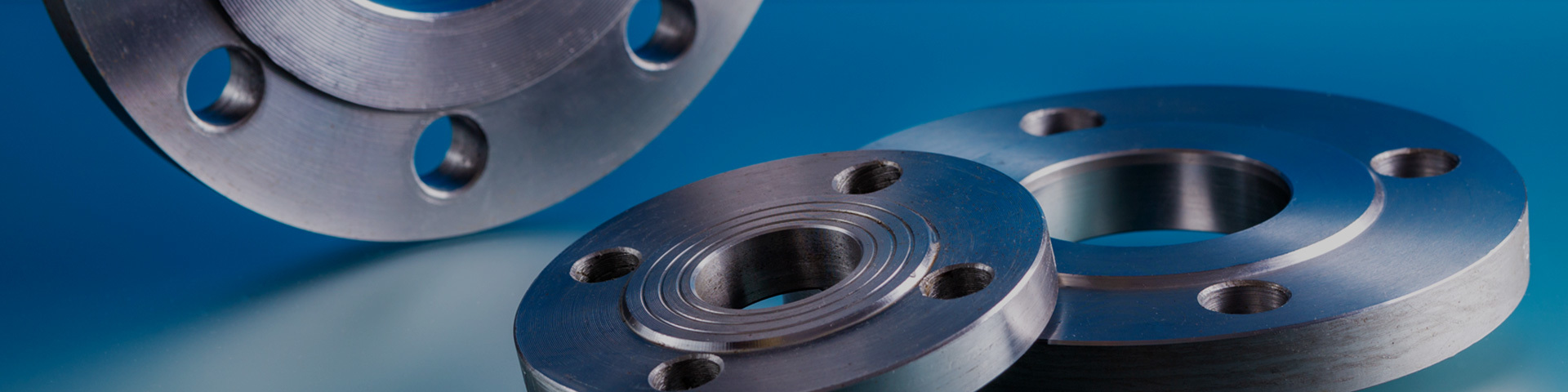
Understanding ANSI B16.5 WN Flanges: Essential Insights for Construction and Decorative Materials
Date:
2026-04-03
ANSI B16.5 WN flanges, also known as weld neck flanges, are significant components in the realm of piping systems, particularly in the construction and decorative materials industry. These flanges are designed to provide a strong connection between pipes and fittings, ensuring a leak-proof and robust integration within various systems. Understanding their features and applications can help profess
The ANSI B16.5 standard outlines the specifications for flanges used in piping systems, including dimensions, material compatibility, and pressure ratings. WN flanges are characterized by a long tapered neck, which allows them to be welded to the pipe. This design feature provides several advantages, including improved stress distribution and a reduced risk of leaks, making them a popular choice for high-pressure applications.
One of the key advantages of ANSI B16.5 WN flanges is their versatility. They can be used in various environments, including high temperatures and corrosive conditions, as they can be constructed from a range of materials such as carbon steel, stainless steel, and alloys. This adaptability makes them suitable for many applications, from oil and gas pipelines to water treatment facilities and beyond.
When selecting ANSI B16.5 WN flanges, it is essential to consider the specific requirements of your project. Factors such as pipe size, pressure rating, and material compatibility should all be taken into account to ensure optimal performance. Additionally, proper installation techniques are critical. The weld neck design requires precise alignment during welding to achieve the best possible joint integrity, which is vital for maintaining system safety and efficiency.
In terms of maintenance, ANSI B16.5 WN flanges typically require regular inspections to assess for wear and tear, especially in demanding applications. Routine checks can help identify any potential issues before they escalate, ensuring the longevity of the piping system.
In conclusion, ANSI B16.5 WN flanges play a pivotal role in the construction and decorative materials industry, offering a reliable and efficient solution for pipe connections. Their robust design, coupled with compliance to established standards, makes them an essential consideration for any piping project. By recognizing their benefits and application parameters, industry professionals can enhance the safety and effectiveness of their systems, contributing to the overall success of their projects.
Key Words:
Related News

PROFESSIONAL MANUFACTURER OF
FLANGES AND PIPE FITTINGS
Sanshi (Hebei) Industry Co., Ltd
Address: Cangzhou Mengcun Hui Autonomous County Hope New Area, Hebei province
Mail: wendy@sanshifitting.com


Copyright © 2023 Sanshi (Hebei) Industrial Co., Ltd