
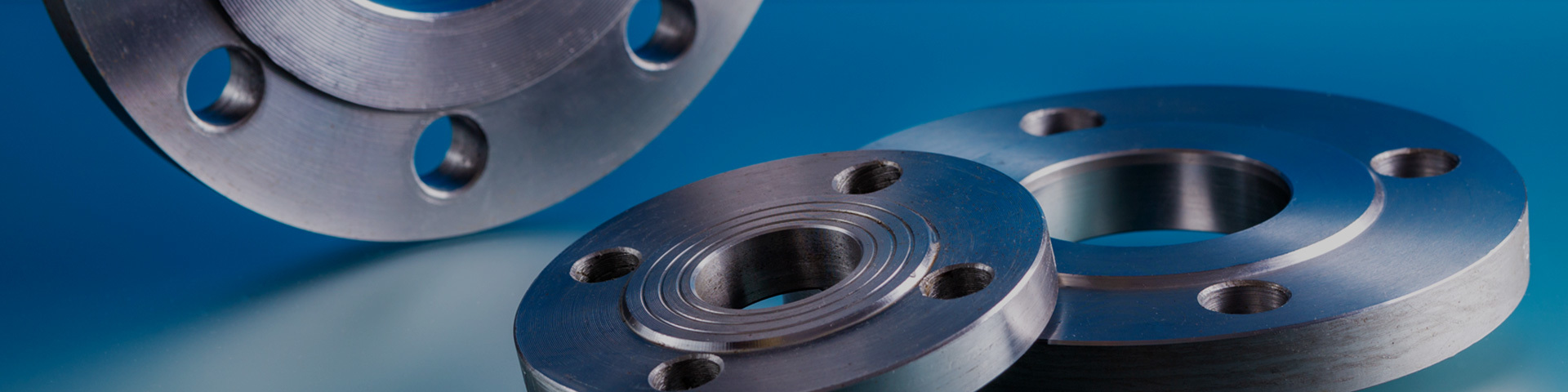
Innovative Technologies Transforming ANSI B16.5 SO Flange Design for the Future
Date:
2026-03-27
Innovative Technologies Impacting ANSI B16.5 SO Flange Design Introduction to ANSI B16.5 SO Flanges ANSI B16.5 SO flanges are critical components in piping systems, ensuring secure connections across various industries. Understanding the evolution and design of these flanges, particularly through innovative technologies, is vital for professionals in the construction and decorative materials secto
Innovative Technologies Impacting ANSI B16.5 SO Flange Design
Introduction to ANSI B16.5 SO Flanges
ANSI B16.5 SO flanges are critical components in piping systems, ensuring secure connections across various industries. Understanding the evolution and design of these flanges, particularly through innovative technologies, is vital for professionals in the construction and decorative materials sector.
The Role of ANSI B16.5 SO Flanges in Modern Engineering
Flanges play a significant role in maintaining the integrity of piping systems. ANSI B16.5 SO flanges are standardized to ensure compatibility and performance across different applications. By leveraging innovative technologies, manufacturers can enhance the design, functionality, and reliability of these flanges.
1. Advanced Materials in Flange Design
The choice of materials significantly influences the performance of ANSI B16.5 SO flanges. Traditional materials such as carbon steel and stainless steel are now complemented by advanced composites and alloys that offer enhanced durability and resistance to corrosion.
1.1 Composite Materials: Strength and Lightweight Features
Composite materials, such as reinforced plastics, are gaining traction due to their lightweight properties and exceptional strength. These materials are particularly beneficial in industries requiring weight-sensitive components, such as aerospace and marine engineering.
1.2 High-Performance Alloys: Addressing Extreme Environments
High-performance alloys are designed to withstand extreme temperatures and corrosive environments, making them ideal for oil and gas applications. These materials not only extend the lifespan of flanges but also improve safety and reduce maintenance costs.
2. Innovative Manufacturing Techniques
The manufacturing processes for ANSI B16.5 SO flanges are evolving with the introduction of new technologies, resulting in improved precision, efficiency, and quality.
2.1 Additive Manufacturing: Redefining Production
Additive manufacturing, or 3D printing, allows for the creation of complex flange designs that traditional manufacturing methods cannot achieve. This technique reduces waste and enables rapid prototyping, leading to faster turnaround times for projects.
2.2 CNC Machining: Enhancing Precision
Computer Numerical Control (CNC) machining has revolutionized the manufacturing of flanges by providing unparalleled precision and repeatability. This technology ensures that each flange meets stringent quality standards, reducing the risk of failures in the field.
3. Design Innovations Enhancing Functionality
The design of ANSI B16.5 SO flanges has undergone significant changes due to technological advancements. These innovations focus on enhancing functionality, performance, and user experience.
3.1 Finite Element Analysis (FEA) in Design Optimization
Finite Element Analysis allows engineers to simulate and analyze the performance of flange designs under various conditions. This tool helps identify potential failure points and optimize the design for strength and durability before manufacturing begins.
3.2 Smart Flanges: Integrating IoT Technology
The integration of Internet of Things (IoT) technology into flange design enables real-time monitoring of performance. Smart flanges can detect pressure changes, temperature fluctuations, and other critical parameters, allowing for proactive maintenance and intervention.
4. Regulatory Compliance and Standards Evolution
As technologies advance, so do regulatory standards governing flange design and manufacturing. ANSI B16.5 flanges must comply with evolving safety and performance regulations, which can influence innovation within the industry.
4.1 Understanding ANSI Standards and Their Impact
The ANSI B16.5 standard specifies dimensions, tolerances, and materials for SO flanges. Staying updated with these standards is crucial for manufacturers to ensure compliance and maintain market competitiveness.
4.2 The Role of Industry Organizations and Certification Bodies
Industry organizations play a vital role in establishing and updating standards. Certification from recognized bodies can enhance trust and credibility, making it essential for manufacturers to prioritize compliance.
5. Future Trends in ANSI B16.5 SO Flange Design
As the industry moves towards more sustainable practices, future trends in ANSI B16.5 SO flange design will be driven by the need for eco-friendly materials and manufacturing processes.
5.1 Sustainable Materials: A Shift Towards Eco-Friendly Solutions
The exploration of bio-based and recycled materials for flange production can significantly reduce environmental impact. Manufacturers are increasingly investing in research to identify sustainable alternatives without compromising quality.
5.2 Automation and AI in Manufacturing Processes
The introduction of automation and artificial intelligence in manufacturing processes can reduce human error, enhance production efficiency, and optimize resource allocation, further driving down costs while maintaining quality.
Conclusion
The impact of innovative technologies on ANSI B16.5 SO flange design is profound, reshaping the landscape of the construction and decorative materials industry. Advancements in materials, manufacturing techniques, and design methodologies are paving the way for more efficient, durable, and sustainable flange solutions. As we move forward, embracing these innovations will be essential for manufacturers aiming to stay competitive and meet the ever-evolving demands of the market.
FAQs
What is ANSI B16.5 SO Flange?
ANSI B16.5 SO flanges are standardized flanges used in piping systems, designed to ensure compatibility and performance.
What materials are commonly used in ANSI B16.5 SO Flanges?
Common materials include carbon steel, stainless steel, and increasingly, advanced composites and high-performance alloys.
How do advanced manufacturing techniques affect flange design?
Advanced manufacturing techniques such as additive manufacturing and CNC machining enhance precision, reduce waste, and allow for complex designs.
What role does Finite Element Analysis play in flange design?
Finite Element Analysis helps engineers optimize flange designs by simulating performance under various conditions, identifying potential failure points.
How is sustainability influencing flange production?
Sustainability is driving the exploration of eco-friendly materials and manufacturing processes, reducing environmental impact while enhancing product quality.
Key Words:
Related News

PROFESSIONAL MANUFACTURER OF
FLANGES AND PIPE FITTINGS
Sanshi (Hebei) Industry Co., Ltd
Address: Cangzhou Mengcun Hui Autonomous County Hope New Area, Hebei province
Mail: wendy@sanshifitting.com


Copyright © 2023 Sanshi (Hebei) Industrial Co., Ltd