
How ANSI B16.5 BL Flanges Enhance the Durability of Pipe Systems
Date:
2026-04-24
Understanding ANSI B16.5 BL Flanges and Their Role in Pipe Systems In the world of piping systems, ensuring durability and reliability is paramount. One of the critical components that contribute to this durability is the **ANSI B16.5 BL flange**. These flanges, designed to meet specific standards, offer a range of benefits that enhance the overall performance of piping systems. This article aims
Understanding ANSI B16.5 BL Flanges and Their Role in Pipe Systems
In the world of piping systems, ensuring durability and reliability is paramount. One of the critical components that contribute to this durability is the **ANSI B16.5 BL flange**. These flanges, designed to meet specific standards, offer a range of benefits that enhance the overall performance of piping systems. This article aims to provide a detailed overview of ANSI B16.5 BL flanges, their specifications, and their impact on the longevity of pipe systems.
What Are ANSI B16.5 BL Flanges?
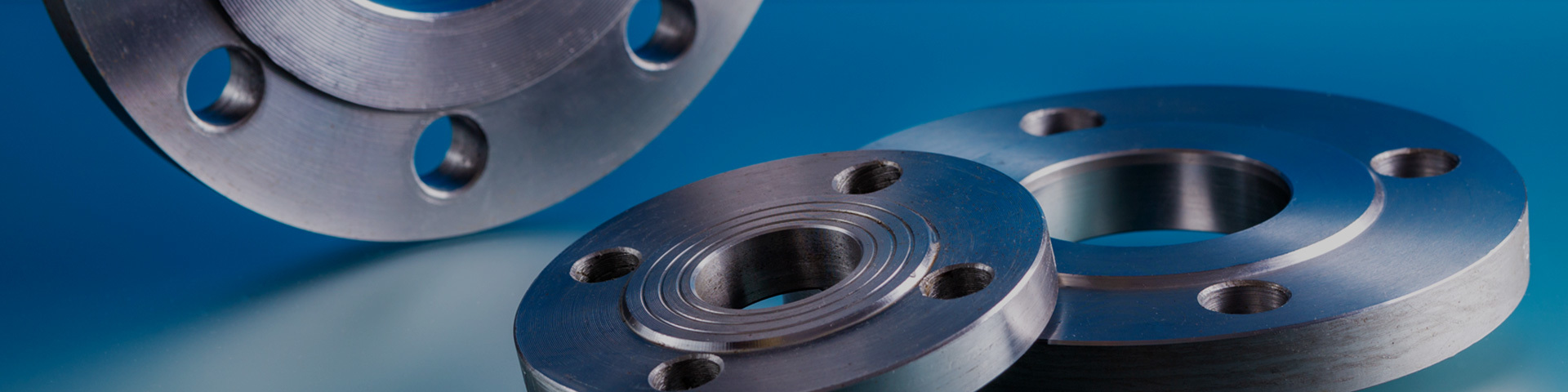
ANSI B16.5 flanges are circular plates used to connect pipes, valves, pumps, and other equipment in a piping system. The designation **BL** stands for **Blind**, indicating that these flanges are designed to close the ends of piping systems. They are crucial in preventing leaks and maintaining the integrity of the system.
The Importance of Flanges in Piping Systems
Flanges serve multiple purposes in piping systems, including:
- **Connection Points**: They provide a secure connection between pipes and other equipment.
- **Maintenance Access**: Flanges allow for easy disassembly and maintenance of piping systems.
- **Pressure Resistance**: They help withstand high pressure and temperature variations.
Standards and Specifications of ANSI B16.5 BL Flanges
ANSI B16.5 flanges adhere to specific standards set by the American National Standards Institute (ANSI). They come in various sizes, pressure ratings, and materials, making them suitable for diverse applications. Key specifications include:
- **Size Range**: Typically from ½ inch to 24 inches in nominal pipe size.
- **Pressure Ratings**: These flanges are available in classes ranging from 150 to 2500.
- **Materials**: Common materials include carbon steel, stainless steel, and alloy steel.
Benefits of Using ANSI B16.5 BL Flanges
The use of ANSI B16.5 BL flanges offers several advantages that significantly contribute to the durability of pipe systems.
1. Enhanced Durability
ANSI B16.5 BL flanges are designed to withstand harsh environmental conditions, including extreme temperatures and pressures. Their robust construction minimizes the risk of failure, ensuring a longer lifespan for the piping system.
2. Leak Prevention
One of the primary functions of blind flanges is to prevent leaks. The tight seal created by these flanges prevents fluid or gas escape, which is crucial in maintaining the system's integrity and efficiency.
3. Easy Installation and Maintenance
Blind flanges simplify the installation process, allowing for efficient assembly of piping systems. Additionally, they enable straightforward access for maintenance and repairs, reducing downtime.
4. Versatility Across Applications
ANSI B16.5 BL flanges are versatile and can be used in various industries, including:
- **Oil and Gas**: For connecting pipelines and equipment.
- **Chemical Processing**: To handle corrosive materials safely.
- **Water Treatment**: In systems that require reliable sealing solutions.
How to Select the Right ANSI B16.5 BL Flange
Choosing the appropriate ANSI B16.5 BL flange is critical for ensuring the durability and efficiency of pipe systems. Consider the following factors:
1. Pipe Size and Class
Ensure that the flange size matches the nominal pipe size. Additionally, select a flange class that corresponds to the pressure rating of your system.
2. Material Compatibility
Choose a flange material that is compatible with the fluid being transported. For instance, stainless steel is ideal for corrosive environments, while carbon steel is suitable for general applications.
3. Environmental Conditions
Consider the environmental conditions in which the flange will operate, including temperature, pressure, and exposure to chemicals. This will help determine the best material and design for your needs.
Installation Best Practices for ANSI B16.5 BL Flanges
Proper installation of ANSI B16.5 BL flanges is essential to maximize their effectiveness and durability. Follow these best practices:
1. Surface Preparation
Ensure that both the flange and the mating surface are clean and free from debris, rust, or oil. This will facilitate a better seal.
2. Gasket Selection
Choose the right gasket material and thickness for your application. The gasket should be compatible with the fluid and capable of handling the system's pressure and temperature.
3. Torque Specifications
Follow the manufacturer's recommended torque specifications when tightening the bolts. This ensures an even distribution of pressure and prevents flange failure.
4. Regular Inspections
Conduct periodic inspections of the flanged connections to identify any signs of wear, corrosion, or leaks. Early detection can prevent costly repairs and downtime.
Maintenance Tips for ANSI B16.5 BL Flanges
Maintaining ANSI B16.5 BL flanges is crucial for ensuring the long-term reliability of piping systems. Here are some maintenance tips:
1. Routine Cleaning
Regularly clean the flanges to remove any buildup of dirt, grease, or corrosive substances. This will help extend the flange's lifespan.
2. Monitoring for Leaks
Pay attention to any signs of leakage around the flanges. Address any leaks immediately to prevent further damage to the system.
3. Replacing Gaskets
Inspect gaskets regularly for signs of wear or damage. Replace them as necessary to maintain a proper seal.
4. Tightening Bolts
During routine maintenance, check and retighten bolts according to the recommended torque specifications. This will help maintain the integrity of the connection.
Applications of ANSI B16.5 BL Flanges
ANSI B16.5 BL flanges can be found in a wide range of applications across various industries. Here are some common uses:
1. Oil and Gas Industry
In the oil and gas sector, these flanges are critical for maintaining pipeline integrity, especially in high-pressure environments.
2. Chemical Processing Plants
Blind flanges are essential for isolating equipment and preventing leaks in chemical processing applications, where safety is a top priority.
3. Power Generation
In power plants, ANSI B16.5 BL flanges are used in steam lines and other critical systems, ensuring operational efficiency and safety.
4. Water and Wastewater Treatment
These flanges play a vital role in water treatment plants, providing secure connections within piping systems that transport water and waste materials.
Challenges and Solutions in Using ANSI B16.5 BL Flanges
While ANSI B16.5 BL flanges offer numerous benefits, there are challenges associated with their use. Here, we highlight some common challenges and their solutions:
1. Corrosion
Corrosion can weaken flanges over time. To combat this, use corrosion-resistant materials and apply protective coatings.
2. Improper Installation
Incorrect installation can lead to leaks. To ensure proper installation, follow manufacturer guidelines and engage trained personnel.
3. Environmental Effects
Extreme temperatures can affect flange performance. Select materials designed to withstand the specific environmental conditions of your application.
Frequently Asked Questions (FAQs)
1. What is the difference between ANSI B16.5 flanges and other flange types?
ANSI B16.5 flanges are specifically designed to meet the standards set by the American National Standards Institute, focusing on pressure ratings and material specifications. Other flange types may not adhere to these standards.
2. Can ANSI B16.5 BL flanges be used in high-temperature applications?
Yes, ANSI B16.5 BL flanges can be used in high-temperature applications, provided that the appropriate materials and gasket types are selected for such conditions.
3. How do I know which size flange to choose for my piping system?
Choose a flange size that matches the nominal pipe size of your system. Consult manufacturer specifications or guidelines to ensure proper compatibility.
4. Are ANSI B16.5 BL flanges reusable?
In many cases, ANSI B16.5 BL flanges can be reused if they are in good condition. However, gaskets should always be replaced to ensure a proper seal.
5. What maintenance is required for ANSI B16.5 BL flanges?
Routine cleaning, leak monitoring, gasket replacement, and bolt retightening are essential maintenance tasks to ensure the longevity of ANSI B16.5 BL flanges.
Conclusion
ANSI B16.5 BL flanges are integral to the durability and efficiency of piping systems across various industries. Their robust design, leak prevention capabilities, and ease of installation make them a preferred choice for engineers and contractors alike. By understanding their specifications, benefits, and maintenance requirements, one can ensure optimal performance and longevity of piping systems. Investing in high-quality ANSI B16.5 BL flanges is a proactive step toward achieving reliable and efficient piping solutions.
Key Words:
Related News

PROFESSIONAL MANUFACTURER OF
FLANGES AND PIPE FITTINGS
Sanshi (Hebei) Industry Co., Ltd
Address: Cangzhou Mengcun Hui Autonomous County Hope New Area, Hebei province
Mail: wendy@sanshifitting.com


Copyright © 2023 Sanshi (Hebei) Industrial Co., Ltd