
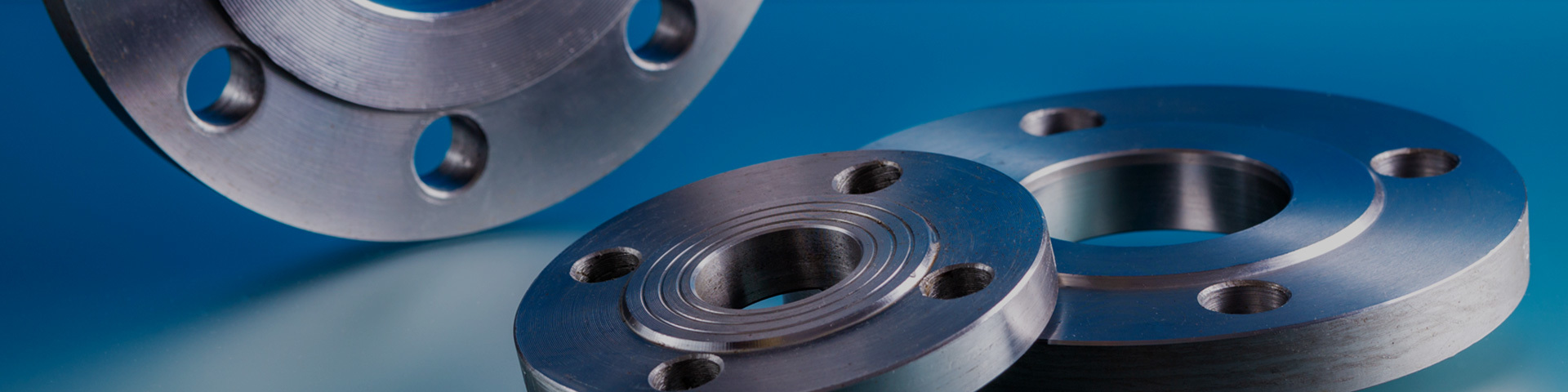
ANSI B16.5 BL Flanges: Key Features and Specifications Explained for Optimal Performance
Date:
2026-07-08
Understanding ANSI B16.5 BL Flanges: An Overview Flanges are critical components in various piping systems, particularly in construction and decoration materials within the industry. In this extensive article, we explore **ANSI B16.5 BL flanges**, detailing their essential features, specifications, and practical applications. Our aim is to provide a complete understanding of these flanges, enablin
Understanding ANSI B16.5 BL Flanges: An Overview
Flanges are critical components in various piping systems, particularly in construction and decoration materials within the industry. In this extensive article, we explore **ANSI B16.5 BL flanges**, detailing their essential features, specifications, and practical applications. Our aim is to provide a complete understanding of these flanges, enabling you to make informed decisions for your projects.
What Are ANSI B16.5 BL Flanges?
ANSI B16.5 BL flanges refer to a specific type of flange designed according to the standards set by the American National Standards Institute (ANSI). These flanges are renowned for their versatility and durability, making them suitable for a wide range of applications including, but not limited to, chemical processing, oil and gas industries, and water treatment facilities.
Key Features of ANSI B16.5 BL Flanges
When considering ANSI B16.5 BL flanges, several key features make them stand out:
1. Material Composition
ANSI B16.5 BL flanges come in various materials, including stainless steel, carbon steel, and alloy materials. The choice of material significantly influences the flange's performance, resistance to corrosion, and overall durability.
2. Pressure Ratings
These flanges are available in different pressure ratings, typically categorized as Class 150, Class 300, Class 600, and beyond. Each class indicates the flange's ability to withstand different pressure levels, allowing for tailored solutions based on specific project requirements.
3. Size and Dimensions
ANSI B16.5 flanges come in various sizes, ranging from ½ inch to 24 inches in diameter. This broad selection ensures compatibility with numerous piping systems, facilitating seamless integration.
4. Face Types
The face of a flange can significantly affect its sealing ability. ANSI B16.5 BL flanges can have different face types, including flat face, raised face, and ring-type joint. Understanding these options is crucial for selecting the right flange for your application.
Specifications of ANSI B16.5 BL Flanges
The specifications of ANSI B16.5 BL flanges play a pivotal role in their performance and suitability for different environments. Here, we detail these specifications:
Dimensional Standards
ANSI B16.5 standards outline precise dimensional requirements for flanges. These dimensions include the flange's outside diameter, bolt circle diameter, and bolt hole size. Adhering to these specifications ensures that flanges fit correctly and perform optimally.
Material Standards
Material standards for ANSI B16.5 flanges include specifications for various grades of carbon steel, stainless steel, and other alloys. This ensures that the flanges can meet the mechanical and thermal stresses encountered in various applications.
Welding and Fabrication Standards
Welding practices are critical when installing ANSI B16.5 BL flanges. Proper welding techniques ensure structural integrity and prevent leaks. The standards provide guidance on pre-welding preparation, welding methods, and post-welding inspections.
Applications of ANSI B16.5 BL Flanges
Understanding the practical applications of ANSI B16.5 BL flanges can guide their selection for specific projects.
Chemical Processing
In the chemical processing industry, ANSI B16.5 BL flanges are essential for connecting pipes that transport corrosive substances. The corrosion-resistant materials often used, such as stainless steel, ensure safety and durability.
Oil and Gas Industry
The oil and gas industry demands robust and reliable components due to high pressure and temperature conditions. ANSI B16.5 flanges are widely used for connecting pipelines, ensuring secure and leak-proof joints.
Water Treatment Plants
In water treatment applications, ANSI B16.5 flanges facilitate the movement of water and wastewater. Their durability and resistance to a range of environmental conditions make them suitable for these critical systems.
Choosing the Right ANSI B16.5 BL Flange
Selecting the appropriate ANSI B16.5 BL flange involves several considerations.
Assessing Project Needs
Before choosing a flange, evaluate your project requirements. Consider factors such as pressure, temperature, and the nature of the fluids being transported.
Material Selection
The material of the flange plays a significant role in its performance. For corrosive applications, opt for stainless steel or other corrosion-resistant materials. For general applications, carbon steel may suffice.
Installation and Maintenance of ANSI B16.5 BL Flanges
Proper installation and maintenance are crucial for the longevity and performance of ANSI B16.5 BL flanges.
Installation Guidelines
1. **Surface Preparation**: Ensure surfaces are clean and free from contaminants before installation.
2. **Alignment**: Properly align the flange with the mating component to avoid undue stress.
3. **Bolting**: Use the correct type and size of bolts, following the manufacturer's torque specifications.
Regular Maintenance Practices
Conduct regular inspections to check for wear, corrosion, or leaks. Replace any damaged components promptly to maintain system integrity.
FAQs About ANSI B16.5 BL Flanges
1. What is the difference between ANSI B16.5 and ANSI B16.47 flanges?
ANSI B16.5 flanges are designed for sizes up to 24 inches, while ANSI B16.47 flanges accommodate larger sizes and have different dimensional standards.
2. Can ANSI B16.5 BL flanges be used in high-temperature applications?
Yes, ANSI B16.5 BL flanges can be designed to withstand high-temperature conditions, provided the correct materials and specifications are selected.
3. How do I determine the class rating needed for my project?
Consider the pressure and temperature conditions of your application. Consult with engineers to choose the appropriate class rating for optimal safety and performance.
4. Are ANSI B16.5 BL flanges interchangeable with other flange standards?
Interchangeability depends on the specific dimensions and pressure ratings. It is best to consult standard specifications before attempting to interchange flanges.
5. What maintenance practices should be followed for ANSI B16.5 BL flanges?
Regular inspections, proper torque application, and ensuring that flanges are free from corrosion and wear are essential maintenance practices.
Conclusion
In summary, ANSI B16.5 BL flanges are integral components in numerous piping systems across various industries. Their robust design and wide range of applications highlight the importance of selecting the right flange based on project requirements. By understanding their features, specifications, and proper installation practices, we can ensure optimal performance and longevity in our construction and decoration projects. Whether you are involved in chemical processing, oil and gas, or water treatment, ANSI B16.5 BL flanges are key to achieving successful outcomes in your installations.
Key Words:
Related News

PROFESSIONAL MANUFACTURER OF
FLANGES AND PIPE FITTINGS
Sanshi (Hebei) Industry Co., Ltd
Address: Cangzhou Mengcun Hui Autonomous County Hope New Area, Hebei province
Mail: wendy@sanshifitting.com


Copyright © 2023 Sanshi (Hebei) Industrial Co., Ltd