
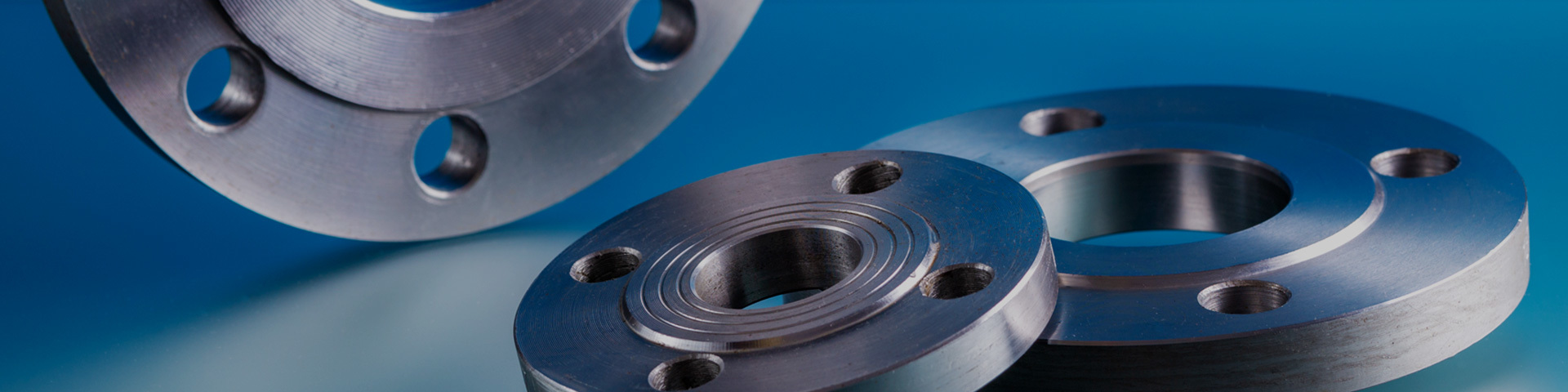
The Function of Steel Connectors in High-Pressure Systems
Date:
2024-10-21
Specifically designed for the demands of high-pressure scenarios within sectors like oil and gas extraction, petrochemical processing, and power generation, steel connectors— notably carbon and stainless variants—are indispensable for maintaining operational safety and efficiency. These connectors are pivotal in withstanding the rigorous conditions, including intense pressures, elevated temperatures, and exposure to corrosive agents.
Utilization of Carbon Steel Connectors in High-Pressure Contexts
Carbon steel connectors gain popularity for their tensile strength, resilience, and affordability. They are frequently utilized in environments where high-pressure systems are subjected to high temperatures, such as in oil refineries and gas transmission lines. The carbon component enhances the material's mechanical robustness, enabling it to defy deformation under intense pressure.
Salient attributes of carbon steel connectors in high-pressure systems include:
- Tensile Strength: Carbon steel possesses high tensile strength, rendering it apt for systems requiring the management of elevated pressure and mechanical stress.
- Heat Tolerance: Carbon steel retains its structural integrity at high temperatures, suitably fitting it for steam or high-temperature fluid conduits.
- Weldability: Its ease of welding facilitates seamless pipe assembly, crucial for leak-resistant high-pressure linkages.
While carbon steel is susceptible to corrosion, protective measures such as galvanization or epoxy coating are employed toward off rust and corrosion.
Stainless Steel Connectors in High-Pressure Operations
Stainless steel connectors are esteemed for their resistance to corrosion and their ability to endure severe conditions. These features render them apt for high-pressure systems in environments such as offshore drilling, chemical processing facilities, and pipelines facing exposure to corrosive elements like saltwater or chemicals.
Key properties of stainless steel connectors:
- Corrosion Resistance: The chromium within stainless steel creates a passive oxide layer, safeguarding against corrosion, essential in environments where both high pressure and corrosive substances are present.
- High-Pressure and Temperature Tolerance: Stainless steel maintains its structural stability under high pressure and temperature, fitting for applications such as superheated steam lines and high-pressure chemical handling systems.
- Hygienic Qualities: Stainless steel connectors are favored in food processing and pharmaceutical industries where sterility and high-pressure performance are paramount due to their cleanability and corrosion resistance.
Design Factors for High-Pressure Applications
Several criteria are essential when choosing steel connectors for high-pressure applications:
- Pressure Rating: The maximum pressure capacity of a connector is vital, with ASME and ANSI ratings ensuring alignment with high-pressure system specifications.
- Seamless vs. Welded: Seamless connectors are favored in high-pressure settings, devoid of a welding seam that could compromise integrity. Welded versions, cost-effective, are generally employed in systems with lower pressure.
- Threaded vs. Buttweld: Threaded connectors simplify assembly and disassembly but are not typically selected for extreme high-pressure uses. Buttweld connectors, fusion welded, offer a robust high-pressure joint.
Oil and Gas Industry Applications
Within the oil and gas industry, the transportation of volatile materials like crude oil and natural gas through pipelines under extreme pressure necessitates the use of steel connectors to ensure secure transit and withstand environmental stresses such as temperature fluctuations and corrosive agents like hydrogen sulfide.
- Upstream Operations: Stainless steel connectors serve in offshore platforms where high-pressure drilling equipment encounters seawater and chemicals.
- Midstream Operations: Carbon steel connectors are the norm in midstream pipeline networks, conveying oil and gas over long distances at high pressure.
- Downstream Operations: Both carbon and stainless steel connectors are integral in downstream refineries, coping with the high-temperature and high-pressure streams of steam, oil, and gas during processing.

Key Words:
Related News

PROFESSIONAL MANUFACTURER OF
FLANGES AND PIPE FITTINGS
Sanshi (Hebei) Industry Co., Ltd
Address: Cangzhou Mengcun Hui Autonomous County Hope New Area, Hebei province
Mail: wendy@sanshifitting.com


Copyright © 2023 Sanshi (Hebei) Industrial Co., Ltd