
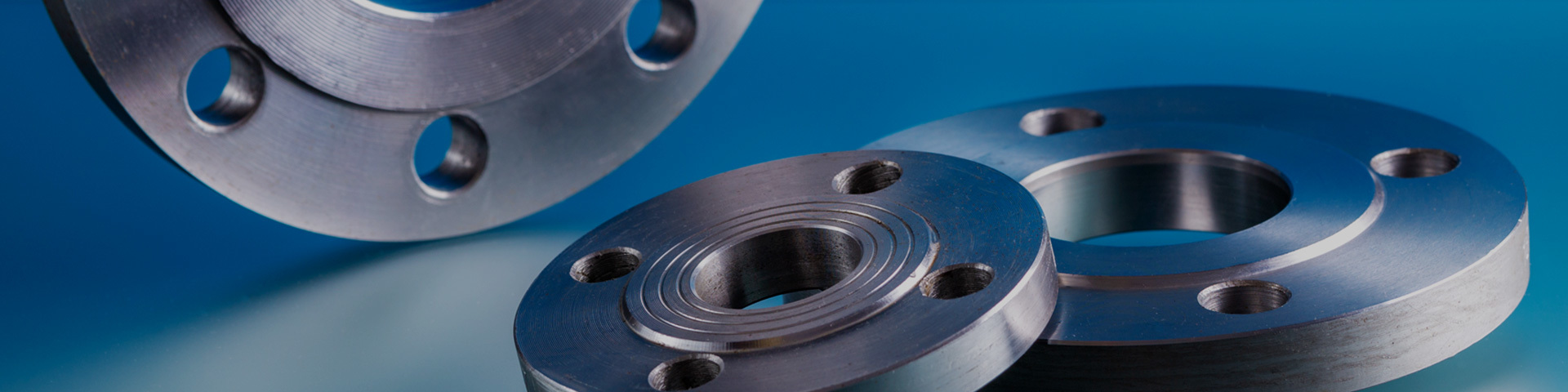
Corrosion Resistance in Metal Connectors
Date:
2024-10-23
The property of corrosion resistance in metal connectors is paramount, particularly in industries that confront rigorous settings like chemical processing facilities, offshore oil drilling platforms, and marine contexts. Metal connectors crafted from various steel alloys, especially stainless steel and alloy steel, are specifically engineered to counteract corrosion stemming from chemical contact, saltwater immersion, high humidity, and other corrosive elements.
1. Stainless Steel Connectors
Stainless steel finds extensive application in corrosive conditions due to its robust oxidation and chemical resistance. This resistance is mainly attributed to the chromium content in the alloy, which creates a sleek, passive layer of chromium oxide on the steel's surface. This film acts as a shield against further corrosion by preventing the entry of oxygen and moisture.
Key stainless steel types:
- 304 Stainless Steel: A popular stainless steel choice, 304 provides reliable corrosion resistance in moist conditions, mild acids, and diverse chemicals. It is well-suited for food processing, water treatment, and light chemical processing applications.
- 316 Stainless Steel: With added molybdenum, it boasts enhanced resistance to pitting and crevice corrosion in environments rich in chlorides, such as seawater and severe chemical processes. Thus, 316 stainless steel connectors are ideal for offshore structures and marine environments.
- Duplex Stainless Steel: A combination of austenitic and ferritic stainless steel, duplex grades possess greater strength and corrosion resistance than 304 and 316 grades. Super duplex stainless steel is particularly beneficial in subsea installations where high chloride levels and pressures are encountered.
2. Alloy Steel Connectors
Alloy steel connectors are produced by incorporating elements such as chromium, nickel, molybdenum, and vanadium into carbon steel to enhance attributes such as tensile strength, temperature resistance, and corrosion resistance. They are frequently utilized in applications subject to extreme environmental conditions.
- Chromium: The addition of chromium to steel raises its oxidation and corrosion resistance by facilitating the formation of a protective surface layer. Consequently, alloy steel connectors with chromium are employed in high-temperature and high-pressure scenarios, such as power generation facilities and chemical refineries.
- Nickel and Molybdenum: Nickel contributes to the corrosion resistance of alloy steel by promoting even corrosion protection, while molybdenum increases resistance to pitting and crevice corrosion. Nickel-based alloys, such as Inconel or Hastelloy, are favored in the petrochemical sector for their ability to endure intense chemical surroundings, including robust acids and gases.
3. Galvanized Steel Connectors
For cost-sensitive environments requiring moderate corrosion resistance, galvanized steel connectors are a frequent selection. These connectors are coated with a zinc layer to safeguard the base steel from rusting. Zinc serves as a sacrificial layer, corroding in place of the steel, which renders galvanized connectors fit for outdoor uses and water systems.
However, galvanized steel connectors may be inadequate in highly corrosive settings, including those with elevated salt or acidic chemical content. As the zinc layer wears away, the underlying steel becomes vulnerable to corrosion, precluding their use in marine or chemical plant settings.
4. Environmental Influences on Corrosion
Multiple factors influence the corrosion of metal connectors in challenging environments, including:
- Chloride Exposure: Chlorides, particularly in seawater, can lead to localized corrosion in the form of pitting in common stainless steels like 304. Grades with molybdenum, such as 316 and duplex steels, are formulated to withstand such corrosion.
- Acidic Conditions: Chemical processing facilities often handle potent acids, like sulfuric or hydrochloric acid, capable of swiftly degrading standard steel connectors. alloys like Hastelloy are designed for these severe conditions.
- Elevated Temperatures: High temperatures can expedite corrosion in certain materials. Alloy steel connectors, containing elements like chromium and molybdenum, provide better resistance to oxidation and thermal degradation at elevated temperatures.

Sanshi (Hebei) Industrial Co., Ltd. is a manufacturer specializing in the production of flanges and pipe fittings. Our goods are exported to overseas, and can produce flanges and pipe fittings of American standard ANSI, German standard DIN, European standard EN1092, Japanese standard JIS, British standard BS, Russian standard GOST, Italian standard UNI and other international standards. If you have any purchase needs or questions, please contact us.
Tel: 86-317-6852088
Phone: 86-18733056688
Web: http://www.sanshifitting.com
Address: Cangzhou Mengcun Hui Autonomous County Hope New Area, Hebei province
Mail: Info@sanshifitting.com
Key Words:
Related News

PROFESSIONAL MANUFACTURER OF
FLANGES AND PIPE FITTINGS
Sanshi (Hebei) Industry Co., Ltd
Address: Cangzhou Mengcun Hui Autonomous County Hope New Area, Hebei province
Mail: wendy@sanshifitting.com


Copyright © 2023 Sanshi (Hebei) Industrial Co., Ltd