
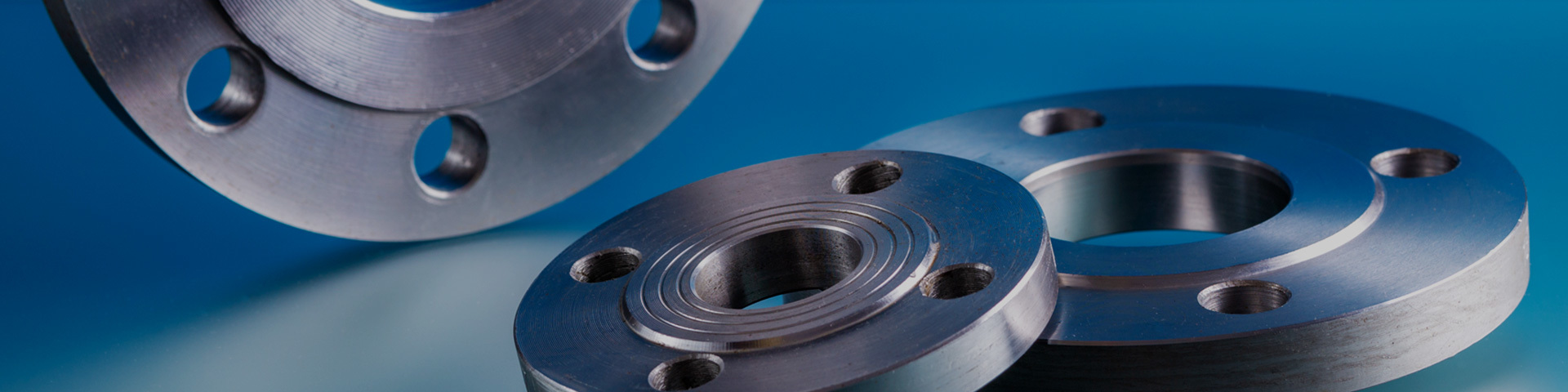
The Manufacturing Process of Carbon Steel Pipe Fittings
Date:
2025-03-07
Carbon steel pipe fittings play a crucial role in numerous fields, and their manufacturing process is key to ensuring the quality and performance of these fittings. The following will provide a detailed introduction to the manufacturing steps of carbon steel pipe fittings.
The first step is material selection. Based on the specific requirements and working conditions of the fitting, appropriate carbon steel tubing is carefully chosen as the raw material. The quality and performance of the raw material are decisive factors in the final quality of the pipe fitting.
The next step is cutting. The selected raw material is precisely cut to the required length according to the design specifications. Common cutting methods include flame cutting, plasma cutting, and mechanical cutting, to ensure that the cut tubes meet dimension requirements.
forming is one of the core processes in the manufacturing sequence. Various forming techniques are used to process the cut tubes into the desired shape of the fitting. Common forming methods include pressing, forging, bending, and rolling. Pressing uses dies to form the tube into shapes such as elbows and tees. Forging involves heating and hammering the tube to cause plastic deformation, resulting in a fitting with high strength and toughness. Bending uses bending machines to shape the tube to the required angle for elbows and bends. Rolling involves the use of rolling equipment to shape and size the tube.
Some fittings, such as tees and crosses, may require welding operations. The selection of welding processes must be determined based on the material, thickness, and service requirements of the fitting, to ensure that the焊接 quality meets standards.
Heat treatment may also be necessary. Through methods such as annealing, normalizing, quenching, and tempering, the mechanical properties and microstructure of the fitting can be improved. The specific heat treatment process should be chosen appropriately based on the material and requirements of the fitting.
Machining is an indispensable step. Further processing of the formed fitting is carried out, such as turning, milling, drilling, etc., to achieve precise dimensions and ideal surface roughness.
Surface treatment aims to enhance the corrosion resistance and appearance quality of the fitting. Common methods include sandblasting, pickling, galvanizing, and painting.
Quality inspection is a vital stage. Rigorous testing is conducted on the completed carbon steel pipe fittings, including visual examination, dimension measurement, non-destructive testing (such as radiographic inspection, ultrasonic testing), and pressure testing, to ensure that the fitting meets relevant standards and customer requirements.
Finally, identification and packaging performed. Qualified fittings are clearly marked with specifications, model, material, batch number, and other information, and are then packaged properly to protect them from damage during transportation and storage.
In conclusion, the manufacturing process of carbon steel pipe fittings is a multi-step, complex, and rigorous procedure. Each step requires strict control and meticulous operation to ensure the production of high-quality carbon steel pipe fittings that meet the application needs of various industries.

Sanshi (Hebei) Industrial Co., Ltd. is a manufacturer specializing in the production of flanges and pipe fittings. Our goods are exported to overseas, and can produce flanges and pipe fittings of American standard ANSI, German standard DIN, European standard EN1092, Japanese standard JIS, British standard BS, Russian standard GOST, Italian standard UNI and other international standards. If you have any purchase needs or questions, please contact us.
Tel: 86-317-6852088
Phone: 86-18733056688
Web: http://www.sanshifitting.com
Address: Cangzhou Mengcun Hui Autonomous County Hope New Area, Hebei province
Mail: Info@sanshifitting.com
Key Words:
Related News

PROFESSIONAL MANUFACTURER OF
FLANGES AND PIPE FITTINGS
Sanshi (Hebei) Industry Co., Ltd
Address: Cangzhou Mengcun Hui Autonomous County Hope New Area, Hebei province
Mail: wendy@sanshifitting.com


Copyright © 2023 Sanshi (Hebei) Industrial Co., Ltd