
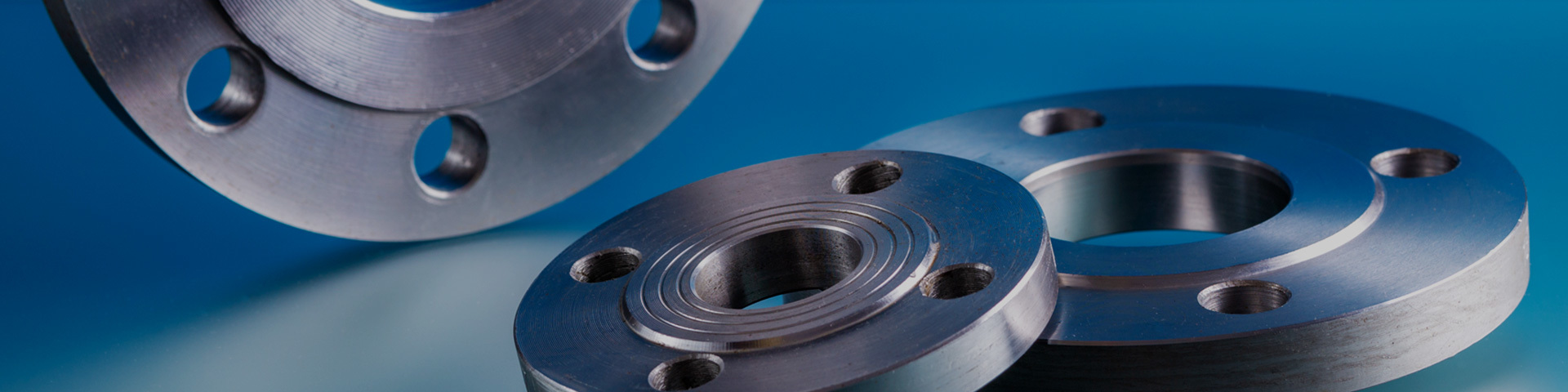
Carbon Steel Pipe Fittings: The Solid Foundation of Pipeline Systems
Date:
2025-03-05
In modern industry and construction fields, pipeline systems play a crucial role, and carbon steel pipe fittings, as key components of pipeline connections, play an indispensable role. This article will delve into the characteristics, applications, manufacturing processes, and quality control of carbon steel pipe fittings.
I. Characteristics of Carbon Steel Pipe Fittings
Carbon steel pipe fittings have many significant characteristics that make them widely used as pipeline connection elements. Firstly, they have good mechanical properties, capable of withstanding high pressure and tension, ensuring the stability and safety of pipeline systems. Secondly, carbon steel pipe fittings have good corrosion resistance and can be used for a long time under general environmental conditions. Additionally, the cost of carbon steel pipe fittings is relatively low, offering high cost-effectiveness, making them widely used in many fields.
II. Applications of Carbon Steel Pipe Fittings
Carbon steel pipe fittings are widely used in various fields. In industries such as oil, natural gas, and chemical processing, they are used for the connection of pipelines conveying various media to ensure the smooth operation of processes. In the construction field, carbon steel pipe fittings are used for the connection of water supply and drainage systems, HVAC systems, and other pipeline systems, providing reliable pipeline facilities for buildings. Moreover, carbon steel pipe fittings also play an important role in industries such as electricity, metallurgy, and shipbuilding.
III. Manufacturing Process of Carbon Steel Pipe Fittings
1. Material Selection
The raw material for carbon steel pipe fittings is usually carbon steel, and the appropriate carbon steel grade is selected according to different application requirements. The quality of the raw material directly affects the performance of the fittings, so strict inspection of the raw material is necessary.
2. Forming Process
The forming processes of carbon steel pipe fittings mainly include forging, casting, and welding. Forged fittings have high strength and toughness, suitable for high-pressure and high-temperature working environments. Cast fittings have high production efficiency and low cost, suitable for general working conditions of pipeline systems. Welded fittings are made by welding steel pipes or steel plates, offering flexibility and economy.
3. Machining
After forming, carbon steel pipe fittings need to undergo machining to meet specified dimensions and precision requirements. Machining processes include turning, milling, drilling, etc., ensuring the accuracy of the fitting's connection dimensions and sealing surfaces.
4. Heat Treatment
To improve the performance of carbon steel pipe fittings, heat treatment may sometimes be necessary. Heat treatment processes include annealing, normalizing, quenching, and tempering, chosen according to the material and performance requirements of the fitting.
IV. Quality Control of Carbon Steel Pipe Fittings
1. Raw Material Inspection
Strictly inspect the chemical composition, mechanical properties, and appearance quality of the raw materials to ensure they meet relevant standards and requirements.
2. Production Process Inspection
Inspect each process during manufacturing, including forming, machining, and heat treatment, to ensure the manufacturing process of the fitting meets the requirements.
3. Final Product Inspection
Conduct comprehensive inspections of the finished carbon steel pipe fittings, including dimension inspection, appearance inspection, non-destructive testing, and pressure testing, to ensure the quality of the fittings meets relevant standards and customer requirements.
4. Quality Traceability
Establish a comprehensive quality traceability system to record and manage information on the raw materials, production process, and final product inspection of the fittings, so that in case of quality issues, they can be traced and addressed promptly.
In conclusion, carbon steel pipe fittings, as an important part of pipeline systems, directly affect the operational safety and reliability of the pipeline system. Through strict manufacturing processes and quality control, ensure that the quality of carbon steel pipe fittings meets standards and customer requirements, providing a solid foundation for pipeline systems in various fields.

Sanshi (Hebei) Industrial Co., Ltd. is a manufacturer specializing in the production of flanges and pipe fittings. Our goods are exported to overseas, and can produce flanges and pipe fittings of American standard ANSI, German standard DIN, European standard EN1092, Japanese standard JIS, British standard BS, Russian standard GOST, Italian standard UNI and other international standards. If you have any purchase needs or questions, please contact us.
Tel: 86-317-6852088
Phone: 86-18733056688
Web: http://www.sanshifitting.com
Address: Cangzhou Mengcun Hui Autonomous County Hope New Area, Hebei province
Mail: Info@sanshifitting.com
Key Words:
Related News

PROFESSIONAL MANUFACTURER OF
FLANGES AND PIPE FITTINGS
Sanshi (Hebei) Industry Co., Ltd
Address: Cangzhou Mengcun Hui Autonomous County Hope New Area, Hebei province
Mail: wendy@sanshifitting.com


Copyright © 2023 Sanshi (Hebei) Industrial Co., Ltd