
Selection of pipe materials
Date:
2025-02-25
Pipes serve as essential conduits for the transportation of fluids or gases within a system, and they are crafted from a variety of materials to suit different operational requirements. The choice of material for pipes can include carbon steel, stainless steel, plastic, and copper, each offering distinct advantages and characteristics that make them suitable for specific applications.
Carbon Steel Pipes: Known for their strength and durability, carbon steel pipes are widely used in industrial settings, including oil and gas transportation, water distribution, and various industrial processes. They are cost-effective but may require additional protective measures against corrosion.
Stainless Steel Pipes: These pipes are valued for their corrosion resistance and are ideal for applications where the fluid or gas is corrosive or where the pipes are exposed to harsh environmental conditions. Stainless steel is also chosen for its aesthetic appeal and ease of cleaning, making it suitable for food and beverage industries.
Plastic Pipes: Lightweight and corrosion-resistant, plastic pipes such as polyethylene (PE), polyvinyl chloride (PVC), and chlorinated polyvinyl chloride (CPVC) are commonly used for water supply, irrigation, and other applications where metal pipes might be less practical due to their weight and cost.
Copper Pipes: Copper pipes are often used in plumbing and heating applications due to their excellent thermal conductivity and corrosion resistance. They are also known for their ease of installation and ability to be bent or shaped as needed.
Fittings, on the other hand, are the components that connect pipes, alter the flow direction, or regulate the flow of the fluid or gas within the system. They come in various types, each serving a specific purpose:
- Elbows: Used to change the direction of the flow, elbows are available in different angles to accommodate various design requirements.
- Tees: These fittings are used to create branches in the pipeline, allowing for the addition of another pipe or outlet.
- Reducers:Reducers are employed to connect pipes of different sizes, facilitating a transition from a larger to smaller diameter or vice versa.
- Couplings: Couplings are used to join two pipes or fittings together, creating a continuous pipeline.
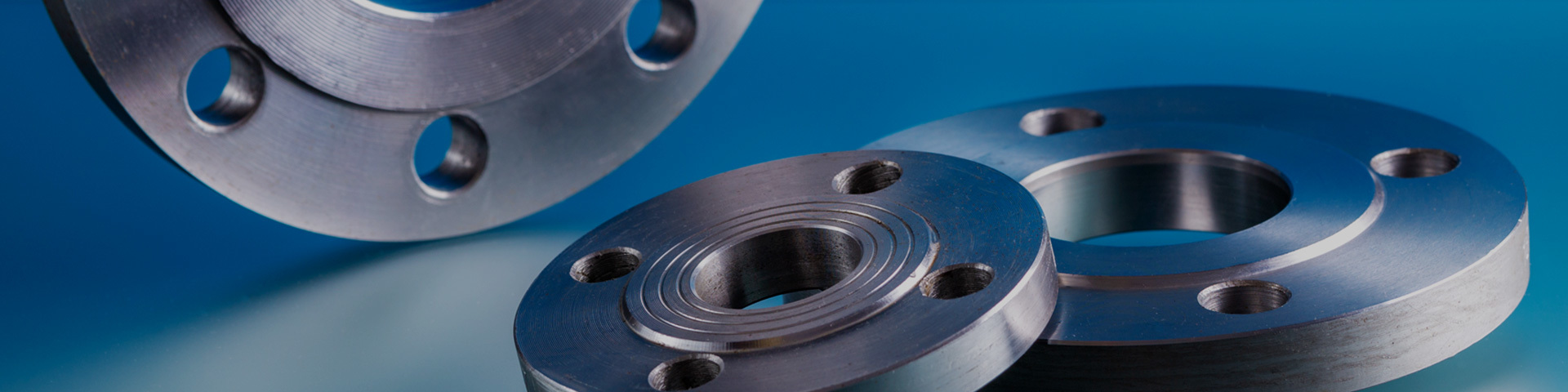
- Flanges: Flanges provide a means of connecting pipes or fittings with bolts and nuts, allowing for easy disassembly and maintenance.
- Valves: Valves are used to control the flow of fluid or gas, with various types available for different control functions.
- Adapters: Adapters are used to connect different types of pipes or fittings, enabling the use of standardized components in diverse systems.
- Unions: Unions are similar to couplings and are used for easy disconnection and reconnection of pipes without the need for tools.
The selection of pipe and pipe fittings is a critical aspect of system design, influenced by factors such as material compatibility, pressure and temperature ratings, flow rate requirements, and the specific application's demands. Proper selection ensures the integrity, performance, and safety of the piping system, providing a reliable and efficient means of conveyance for fluids and gases.
Sanshi (Hebei) Industrial Co., Ltd. is a manufacturer specializing in the production of flanges and pipe fittings. Our goods are exported to overseas, and can produce flanges and pipe fittings of American standard ANSI, German standard DIN, European standard EN1092, Japanese standard JIS, British standard BS, Russian standard GOST, Italian standard UNI and other international standards. If you have any purchase needs or questions, please contact us.
Tel: 86-317-6852088
Phone: 86-18733056688
Web: http://www.sanshifitting.com
Address: Cangzhou Mengcun Hui Autonomous County Hope New Area, Hebei province
Mail: Info@sanshifitting.com
Key Words:
Related News

PROFESSIONAL MANUFACTURER OF
FLANGES AND PIPE FITTINGS
Sanshi (Hebei) Industry Co., Ltd
Address: Cangzhou Mengcun Hui Autonomous County Hope New Area, Hebei province
Mail: wendy@sanshifitting.com


Copyright © 2023 Sanshi (Hebei) Industrial Co., Ltd