
pipe fittings
Date:
2025-02-23
Pipe and pipe fittings are essential components in any piping system, which is designed to convey various fluids, gases, or materials from one location to another. The selection of the right type of pipe and fittings is critical to ensure the system's performance, safety, and longevity. Here's an overview of pipes and some common types of pipe fittings:
Pipes
Pipes are the conduits through which the fluid or gas flows. They are available in various materials and sizes, and their selection depends on the application, the type of fluid or gas, pressure requirements, and environmental conditions.
Common Types of Pipes:
1. Carbon Steel Pipes: Used for a wide range of applications, including oil and gas transportation, water distribution, and industrial processes. They are strong and cost-effective but may require protective to prevent corrosion.
2. Stainless Steel Pipes: Known for their corrosion resistance, stainless steel pipes are used in applications where the fluid is corrosive or where the pipes are exposed to aggressive environments.
3. Plastic Pipes: Lightweight and corrosion-resistant, plastic pipes such as PVC, CPVC, and PE are used for water supply, irrigation, and other applications where metal pipes might be less suitable.
4. Copper Pipes: Commonly used for plumbing and heating applications due to their excellent thermal conductivity and corrosion resistance.
5. Cast Iron Pipes: Known for their durability, cast iron pipes are often used in sewage and water distribution systems.
Pipe Fittings
Pipe fittings are used to connect pipes, to change the direction of flow, to regulate or measure the flow, or to adapt to different sizes or types of pipes. They come in various shapes and sizes and are made from different materials to match the pipes they are used with.
Common Types of Pipe Fittings:
1. Elbows: Used to change the direction of the pipe run. They are available in various angles, such as 90 degrees, 45 degrees, or custom angles.
2. Tees: Used to create branches in the pipeline, allowing for the addition of another pipe or outlet.
3. Reducers: Used to connect pipes of different sizes, reducing the diameter of the pipe.
4. Couplings: Used to connect two pipes or fittings end-to-end, creating a continuous pipeline.
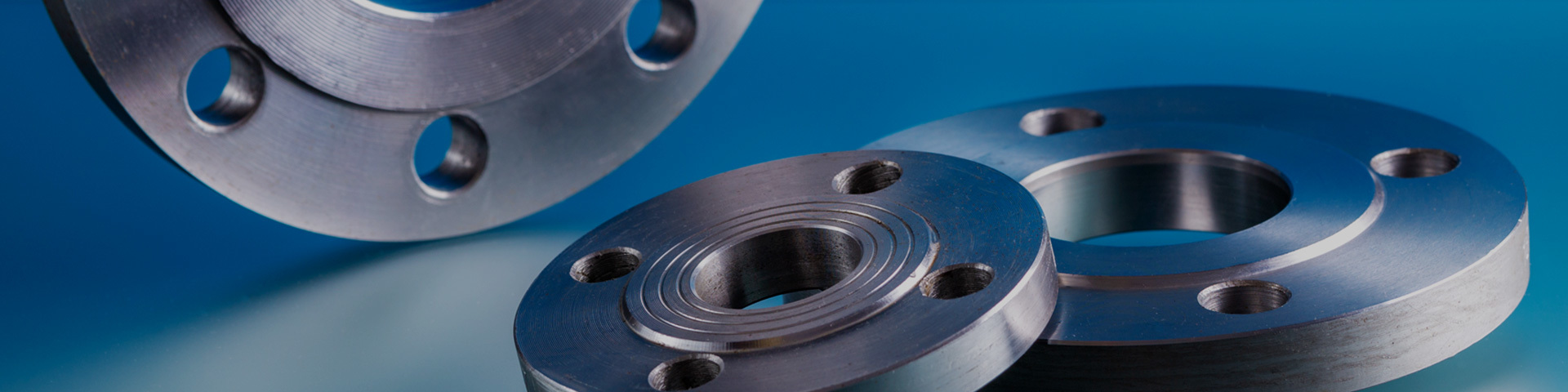
5. Flanges: Provide a means of connecting pipes or fittings with bolts and nuts, allowing for easy disassembly and maintenance.
6. Valves: Used to control the flow of fluid or gas in the pipeline, including ball valves, gate valves, and butterfly valves.
7. Adapters: Used to connect different types of pipes or fittings, such as connecting a plastic pipe to a metal fitting.
8. Unions: Similar to couplings, unions allow for easy disconnection and reconnection of pipes without the need for tools.
The selection of pipe and pipe fittings must consider the following factors:
- Material Compatibility: The materials of the pipes and fittings must be compatible to ensure proper sealing and to prevent corrosion.
- Pressure and Temperature Ratings: The fittings must be able to handle the maximum pressure and temperature of the system.
- Flow Rate: The size and type of fitting should be appropriate for the desired flow rate of the system.
- Installation and Maintenance: The ease of installation and maintenance requirements are also important considerations.
By carefully selecting the appropriate pipes and fittings, engineers and installers can create a piping system that is efficient, reliable, and safe for its intended application.
Key Words:
Related News

PROFESSIONAL MANUFACTURER OF
FLANGES AND PIPE FITTINGS
Sanshi (Hebei) Industry Co., Ltd
Address: Cangzhou Mengcun Hui Autonomous County Hope New Area, Hebei province
Mail: wendy@sanshifitting.com


Copyright © 2023 Sanshi (Hebei) Industrial Co., Ltd