
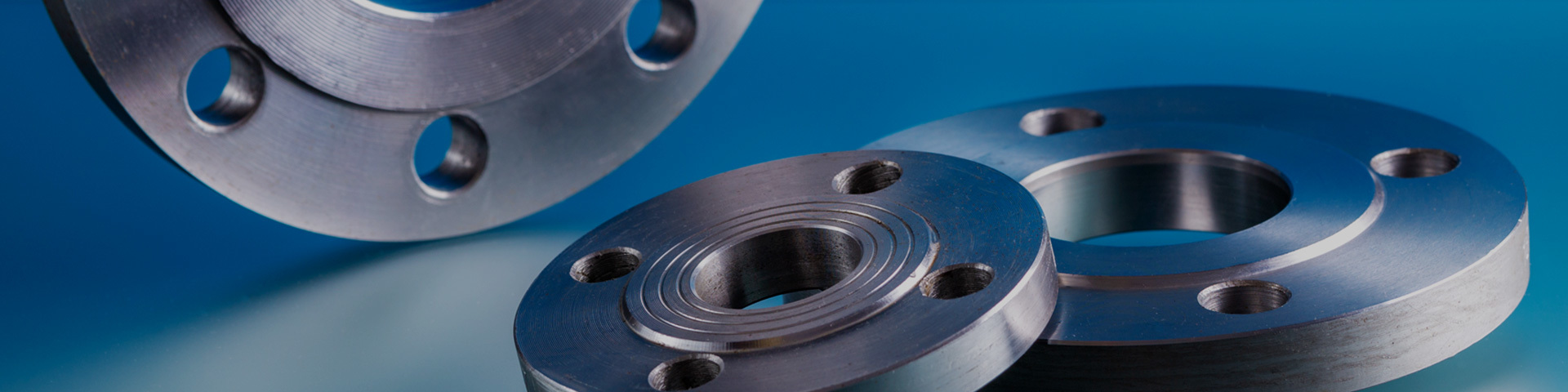
Elbows are integral components in gas piping systems
Date:
2025-02-03
Elbows are integral components in gas piping systems, designed to facilitate a smooth redirection of the gas flow while minimizing turbulence and pressure loss. Their importance in the system cannot be overstated, as they play a critical role in maintaining the efficiency and safety of the entire setup. Below is a detailed explanation of the use of elbows in gas piping, including their design, functionality, types, and installation considerations.
Design and Functionality
Elbows are engineered with a curved profile that allows for a gradual change in the direction of the gas flow. This design is essential for reducing stress on the pipe walls and minimizing the potential for erosion or damage due to the high-speed flow of gas. The materials used in the construction of elbows, such as carbon steel, stainless steel, and alloy materials, are chosen for their compatibility with the type of gas being conveyed and the operational conditions of the system.
Types of Elbows
Elbows are available in various types and angles to accommodate different design requirements within a gas piping system:
- 90-Degree Elbows: These elbows provide a sharp but smooth 90-degree turn, which is often necessary in applications where space is limited and a direct change of direction is required.
- 45-Degree Elbows: Offering a less abrupt change in direction, 45-degree elbows are used when a gentler bend is desired to reduce the impact on the gas flow and the pipe structure.
- Long Radius Elbows: These elbows have a larger radius of curvature, providing an even smoother transition for the gas flow. They are typically used in high-pressure systems where minimizing pressure loss is critical.
Installation and Maintenance
The installation of elbows in a gas piping system is a precise operation that requires careful consideration:
- Compatibility: Elbows must be compatible with the rest of the piping system, ensuring that the connections are secure and leak-free.
- Ease of Installation: Elbows are designed to be easily installed into existing piping systems. They can be connected using welding, threading, or compression fittings, depending on the specific type of elbow and the requirements of the system.
- Maintenance: Elbows are also designed for ease of maintenance. They can be removed and replaced without the need for extensive modifications to the piping system, facilitating repairs and system upgrades.
Standards and Compliance
Elbows used in gas piping systems must meet stringent industry standards and compliance requirements:
- Industry Standards: Elbows must adhere to industry standards for size, material, and performance. These standards ensure that the elbows are compatible with the rest of the piping system and that they will perform reliably over time.
- Safety Regulations: Elbows are subject to safety regulations that govern their use in gas piping systems. These regulations are designed to prevent accidents and ensure the safety of the personnel operating the system.
Precision and Reliability
The precision engineering of elbows is crucial for their reliability in gas piping systems:
- Smooth Transition: The smooth transition provided by elbows helps maintain the efficiency of the gas flow, reducing the energy required to move the gas through the system and minimizing pressure drop.
- Durability: The materials and design of elbows are selected for their durability and resistance to corrosion, ensuring that they can withstand the rigors of the gas system environment.
In conclusion, elbows are precision-engineered components that are essential for the proper functioning of gas piping systems. Their design, material selection, and installation all contribute to the overall efficiency and safety of the system, making them a critical component in the redirection of gas flow.
Key Words:
Previous:
Next:
Related News

PROFESSIONAL MANUFACTURER OF
FLANGES AND PIPE FITTINGS
Sanshi (Hebei) Industry Co., Ltd
Address: Cangzhou Mengcun Hui Autonomous County Hope New Area, Hebei province
Mail: wendy@sanshifitting.com


Copyright © 2023 Sanshi (Hebei) Industrial Co., Ltd