
Gas fittings
Date:
2025-02-01
Gas fittings are integral components in the construction and functionality of gas piping systems, facilitating the connection, redirection, and control of gas flow. Below is a detailed explanation of each type of gas fitting you've listed, along with their specific applications and characteristics:
Couplings
- Application: Couplings are primarily used to join two sections of pipe together, creating a continuous passage for gas flow. They are essential for extending or repairing gas lines.
- Characteristics: Available in threaded, compression, and push-fit varieties, couplings can be made from materials such as brass, stainless steel, or plastic, depending on the application requirements.
Elbows
- Application: Elbows are designed to change the direction of gas flow within a piping system. They are particularly useful in navigating around corners or obstacles.
- Characteristics: Elbows come in various angles, including 90-degree, 45-degree, and gradual bends, and are made to fit specific pipe sizes and materials.
Tees
- Application: Tees are used to create a branch in a gas line, allowing for the addition of another pipe or appliance. They are common in systems where multiple gas outlets are needed.
- Characteristics: Tees can be straight, reducing, or wye-shaped, and they are available in different materials to match the system's requirements.
Valves
- Application: Valves are critical for controlling the flow of gas, enabling it to be turned on or off, or for regulating pressure within the system.
- Characteristics: Various types of valves include ball valves, gate valves, globe valves, and butterfly valves, each with its own specific function and operational mechanism.
Reducers
- Application:Reducers are used to connect pipes of different diameters, facilitating transitions between sections of a gas system that may have been designed with varying sizes.
- Characteristics:Reducers can be concentric (matching the centerlines of the pipes) or eccentric (offsetting the centerlines), and they are available in a range of materials.
Flanges
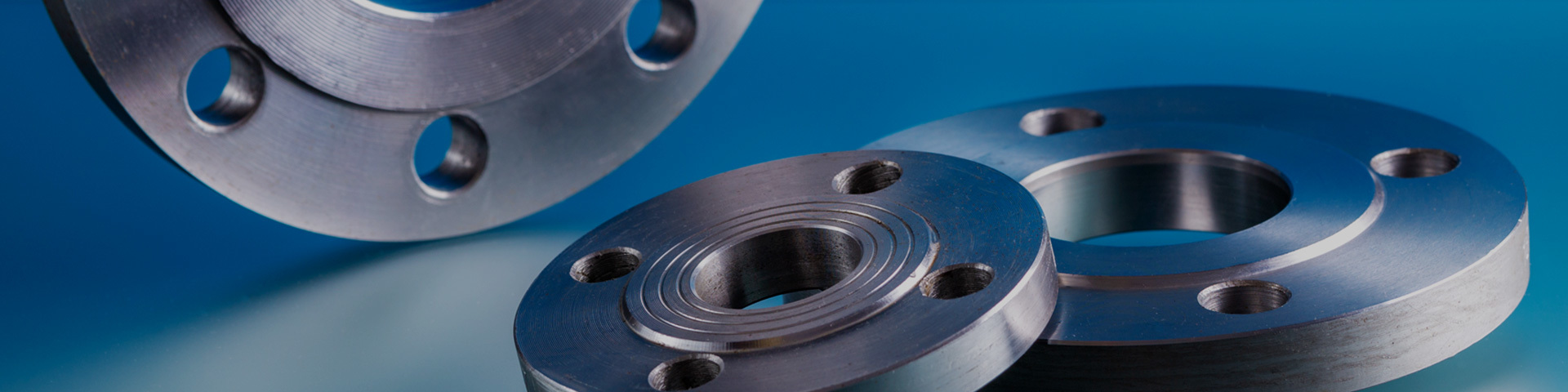
- Application: Flanges are used to connect pipes, valves, and other components with bolts and nuts, providing a strong and leak-free joint that can be easily disassembled for maintenance.
- Characteristics: Flanges come in various types, including weld neck, slip-on, socket weld, and threaded flanges, and are made from materials such as carbon steel, stainless steel, or alloy steel.
Unions
- Application: Unions are used to connect or disconnect pipes without the need for cutting or threading, offering flexibility and ease of maintenance in gas systems.
- Characteristics: Unions consist of a body with a female thread on one end and a male thread on the other, allowing for quick connections and disconnections.
Bushings
- Application: Bushings are used to reduce the diameter of a pipe or to adapt to a different thread size, often used in conversions or when mating different types of fittings.
- Characteristics: Bushings are typically threaded on both ends and are made from materials that can withstand the pressures and temperatures of the gas system.
Specialized Fittings
- Application: These include pressure regulators, check valves, and gas cocks, which are designed for specific functions within a gas system, such as regulating pressure, preventing backflow, or controlling gas flow.
- Characteristics: Specialized fittings are tailored to the specific needs of the gas system and are made from materials that can handle the system's operational conditions.
Adapters
- Application: Adapters are used to connect pipes or fittings with different thread types or sizes, allowing for compatibility between various systems.
- Characteristics: Adapters come in different shapes and sizes and are made from materials that can accommodate the different pressures and temperatures of the gas system.
Each of these gas fittings is designed with precision to ensure the integrity and safety of the gas piping system. The selection of the fitting is based on the specific requirements of the system, including the type of gas, operating pressure, temperature range, and the need for durability and reliability. Proper installation and maintenance of these fittings are crucial to prevent leaks and maintain the efficiency of the gas system.
Key Words:
Related News

PROFESSIONAL MANUFACTURER OF
FLANGES AND PIPE FITTINGS
Sanshi (Hebei) Industry Co., Ltd
Address: Cangzhou Mengcun Hui Autonomous County Hope New Area, Hebei province
Mail: wendy@sanshifitting.com


Copyright © 2023 Sanshi (Hebei) Industrial Co., Ltd