
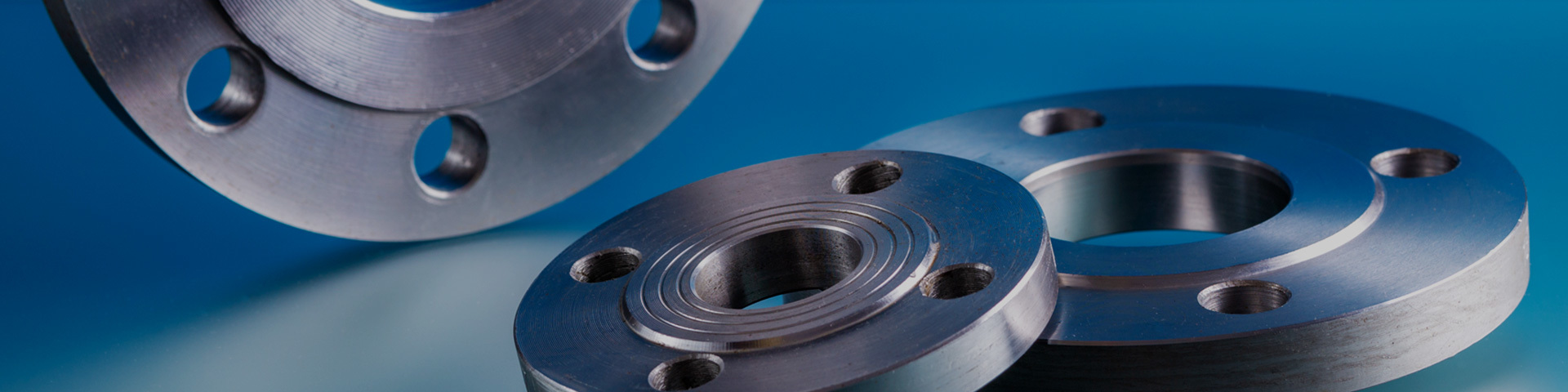
Seamless vs. Welded Fittings: A Comparative Analysis
Date:
2024-12-21
In the realm of steel pipe fittings, both seamless and welded fittings serve as integral components in pipeline systems, with each method of production offering distinct advantages. The following is a comparative analysis of seamless and welded fittings based on several critical factors:
1. Manufacturing Process
Seamless Fittings: Produced from a single, continuous piece of steel, ensuring a uniform structure without welded seams. The process involves hot forming, followed by cold finishing to achieve precise dimensions.
Welded Fittings: Fabricated by welding steel plates or coils together to form a pipe, which is then shaped into the desired fitting shape. This process typically includes bending and joining operations.
2. Strength and Durability
Seamless: Owing to their weldfree nature, seamless fittings offer uniform strength throughout the fitting, making them more suitable for applications requiring high strength and durability.
Welded: The strength of welded fittings can be affected by the quality of the weld. Additional quality control measures are necessary to ensure the integrity of the welded seam.
3. Pressure Tolerance
Seamless: These fittings have a superior ability to resist internal pressure, which is crucial in highpressure and hightemperature environments, such as in the oil and gas industry.
Welded: Welded fittings may have lower pressure tolerance compared to seamless, making them more appropriate for applications with moderate pressure requirements.
4. Cost Considerations
Seamless: Often more expensive due to the complex and laborintensive manufacturing process. They are justified in applications where performance is paramount.
Welded: Typically more costeffective, especially for largediameter fittings, making them a practical choice for projects with budget constraints.
5. Size and Availability
Seamless: Available in smaller sizes, generally up to 24 inches in diameter, and may have longer lead times due to the manufacturing process.
Welded: Offered in a wider range of sizes and shapes, and are easier to source in bulk quantities.
6. Applications
Seamless: Commonly used in highpressure pipelines, power plants, and petrochemical facilities where reliability under stress is essential.
Welded: Found in water treatment systems, HVAC installations, and general industrial use, where cost and availability are primary considerations.
Conclusion
The decision between seamless and welded fittings hinges on the application's specific needs:
Seamless Fittings: Should be selected for critical applications that necessitate high strength and pressure tolerance.
Welded Fittings: Are preferable when cost efficiency and size flexibility are more critical than the maximum strength of the fitting.
Understanding the differences and strengths of each type of fitting allows for a more informed decision that aligns with the requirements of the project. If you're interested in a more detailed examination of the technical specifications or applications of these fittings, please let me know!

Sanshi (Hebei) Industrial Co., Ltd. is a manufacturer specializing in the production of flanges and pipe fittings. Our goods are exported to overseas, and can produce flanges and pipe fittings of American standard ANSI, German standard DIN, European standard EN1092, Japanese standard JIS, British standard BS, Russian standard GOST, Italian standard UNI and other international standards. If you have any purchase needs or questions, please contact us.
Tel: 86-317-6852088
Phone: 86-18733056688
Web: http://www.sanshifitting.com
Address: Cangzhou Mengcun Hui Autonomous County Hope New Area, Hebei province
Mail: Info@sanshifitting.com
Key Words:
Related News

PROFESSIONAL MANUFACTURER OF
FLANGES AND PIPE FITTINGS
Sanshi (Hebei) Industry Co., Ltd
Address: Cangzhou Mengcun Hui Autonomous County Hope New Area, Hebei province
Mail: wendy@sanshifitting.com


Copyright © 2023 Sanshi (Hebei) Industrial Co., Ltd