
A Comprehensive Guide to Steel Pipe Fittings and Their Utilizations
Date:
2024-12-19
Steel pipe fittings play a pivotal role in the construction and maintenance of piping systems, facilitating the connection, control, and alteration of fluid flows. The following is a comprehensive look at the various types of steel pipe fittings and the industries where they are most commonly employed.
1. Elbows
Function: Elbows are designed to redirect fluid flow at various angles, such as 45° or 90°.
Common Uses: They are extensively used in water distribution, heating, ventilation, and air conditioning (HVAC), as well as in industrial piping.
Variants: Available in longradius and shortradius configurations to accommodate different flow characteristics.
2. Tees
Function: Tees are pipe fittings that allow the branching of a single pipeline into two separate lines.
Common Uses: They are standard in plumbing, irrigation systems, and other applications requiring a Tshaped connection.
Variants: Equal tees provide the same flow area on both sides, while reducing tees are used to connect pipes of different diameters.
3. Reducers
Function: Reducers are used to change the diameter of a pipeline, facilitating transitions between different sized pipes.
Common Uses: They are crucial in chemical processing, power generation, and oil and gas pipelines.
Types: Concentric reducers maintain the same centerline while eccentric reducers are offset, which can help to relieve pressure and prevent sediment buildup.
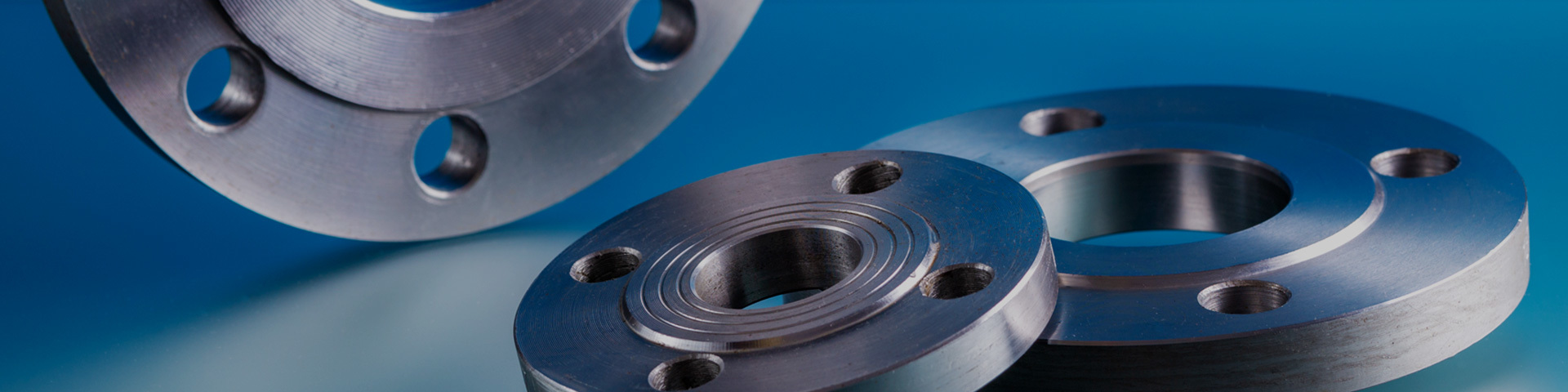
4. Flanges
Function: Flanges are pipe ends that allow for the disassembly and reassembly of pipes for maintenance or replacement.
Common Uses: Widely employed in industries that require highpressure and hightemperature service, such as petrochemical plants, power stations, and water treatment facilities.
Standards: Designed to comply with standards like ASME or ISO for compatibility and structural integrity.
5. Couplings
Function: Couplings are used to join two pipe sections securely.
Common Uses: They are used in water and gas distribution, and in chemical transportation pipelines.
Types: Full couplings are used for pipes of the same diameter, while reducing couplings accommodate different sizes.
6. Crosses
Function: Crosses provide four ports to connect four pipe sections at right angles.
Common Uses: While not commonly used in highpressure systems, they are found in sprinkler systems and some HVAC applications.
7. Caps
Function: Caps seal the ends of pipes to prevent material flow.
Common Uses: They are used for temporary or permanent closures in pipelines.
8. Stub Ends
Function: Stub ends are used with lap joint flanges for creating a removable joint.
Common Uses: They are often used in stainless steel piping to reduce costs and improve corrosion resistance.
Material Selection for Steel Pipe Fittings
The choice of material for steel pipe fittings depends on the application and environmental conditions:
Carbon Steel: Known for its strength and affordability, carbon steel is suitable for highpressure and hightemperature applications.
Stainless Steel: Offers excellent corrosion resistance, making it ideal for environments where exposure to corrosive substances is common, such as in chemical processing and marine environments.
Alloy Steel: Can withstand extreme temperatures and pressures, and is often used in power generation and petrochemical industries.
Sanshi (Hebei) Industrial Co., Ltd. is a manufacturer specializing in the production of flanges and pipe fittings. Our goods are exported to overseas, and can produce flanges and pipe fittings of American standard ANSI, German standard DIN, European standard EN1092, Japanese standard JIS, British standard BS, Russian standard GOST, Italian standard UNI and other international standards. If you have any purchase needs or questions, please contact us.
Tel: 86-317-6852088
Phone: 86-18733056688
Web: http://www.sanshifitting.com
Address: Cangzhou Mengcun Hui Autonomous County Hope New Area, Hebei province
Mail: Info@sanshifitting.com
Key Words:
Related News

PROFESSIONAL MANUFACTURER OF
FLANGES AND PIPE FITTINGS
Sanshi (Hebei) Industry Co., Ltd
Address: Cangzhou Mengcun Hui Autonomous County Hope New Area, Hebei province
Mail: wendy@sanshifitting.com


Copyright © 2023 Sanshi (Hebei) Industrial Co., Ltd