
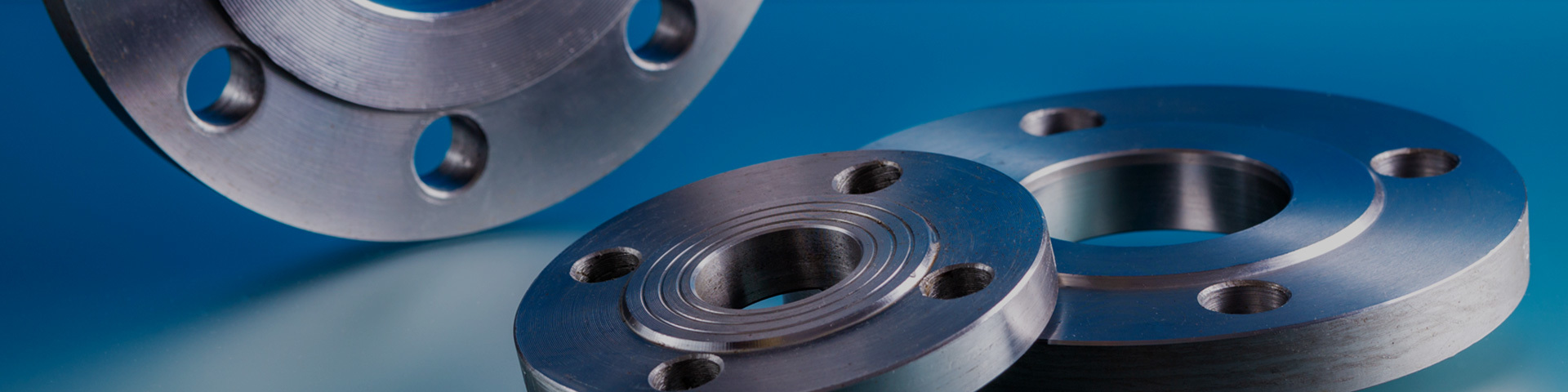
The Crucial Function of ANSI B16.5 WN Flanges in Upholding Structural Integrity
Date:
2026-02-27
The Crucial Function of ANSI B16.5 WN Flanges in Upholding Structural Integrity Table of Contents Introduction to ANSI B16.5 WN Flanges Understanding Weld Neck Flanges The Significance of WN Flanges in Structural Integrity Design Features and Standards of ANSI B16.5 WN Flanges Applications of ANSI B16.5 WN Flanges Benefits of Using ANSI B16.5 WN Flanges Installation and Maintenance
The Crucial Function of ANSI B16.5 WN Flanges in Upholding Structural Integrity
Table of Contents
- Introduction to ANSI B16.5 WN Flanges
- Understanding Weld Neck Flanges
- The Significance of WN Flanges in Structural Integrity
- Design Features and Standards of ANSI B16.5 WN Flanges
- Applications of ANSI B16.5 WN Flanges
- Benefits of Using ANSI B16.5 WN Flanges
- Installation and Maintenance of WN Flanges
- Common FAQs about ANSI B16.5 WN Flanges
- Conclusion
Introduction to ANSI B16.5 WN Flanges
In the realm of construction and manufacturing, **ANSI B16.5 WN flanges** serve as a critical component for ensuring the safety and durability of piping systems. These flanges are specifically designed to handle high-pressure applications, making them indispensable in various industries such as oil and gas, chemical processing, and power generation. Understanding their role and functionality is paramount for engineers and project managers who prioritize structural integrity.
Understanding Weld Neck Flanges
Weld neck flanges, commonly referred to as WN flanges, feature a long tapered neck that provides a smooth transition to the pipe. This design facilitates a stronger weld joint, which is crucial for maintaining pressure integrity. The taper also helps in reducing stress concentrations, thereby prolonging the life of the connected piping system.
When we discuss **ANSI B16.5 WN flanges**, we refer to a specific manufacturing standard that dictates the dimensions, tolerances, and material specifications for these flanges. This standardization ensures that flanges can be reliably used across various applications and industries, promoting interchangeability and reducing the potential for flaws.
Key Characteristics of Weld Neck Flanges
1. **Long Neck Design**: The tapered neck allows for better alignment and reduces the risk of misalignment.
2. **High Pressure Rating**: These flanges are designed to withstand high pressures, making them suitable for critical applications.
3. **Versatile Materials**: Weld neck flanges can be made from a variety of materials, including stainless steel, carbon steel, and alloy steel, to suit different environments and applications.
The Significance of WN Flanges in Structural Integrity
The role of ANSI B16.5 WN flanges in ensuring structural integrity cannot be overstated. A well-designed flange connection is fundamental to the overall strength of the piping system. The integrity of the system is compromised if the flange fails, leading to potential leaks, ruptures, or catastrophic failures.
Preventing Leaks
One of the primary functions of WN flanges is to create a tight seal between pipe segments. The welding process used in the installation of these flanges allows for a continuous joint that minimizes the risk of leaks. This feature is particularly crucial in industries where toxic or hazardous materials are transported.
Supporting Structural Loads
WN flanges are designed to distribute loads evenly across the piping system. This distribution is essential in preventing localized stress that can lead to fatigue and eventual failure. By using ANSI B16.5 WN flanges, engineers can ensure that the integrity of the piping system remains intact over time.
Design Features and Standards of ANSI B16.5 WN Flanges
The ANSI B16.5 standard outlines specific design parameters that govern the manufacturing of welded neck flanges. Compliance with these standards guarantees that the flanges meet industry requirements for performance and reliability.
Material Specifications
The materials used for WN flanges must be resistant to corrosion, high temperatures, and pressure variations. Common materials include:
- **Carbon Steel**: High strength and cost-effective for general applications.
- **Stainless Steel**: Excellent resistance to corrosion and oxidation, ideal for harsh environments.
- **Alloy Steel**: Offers enhanced mechanical properties for specialized applications.
Dimensional Standards
ANSI B16.5 specifies various dimensions, including:
- **Diameter**: Determines compatibility with the piping system.
- **Thickness**: Influences pressure ratings and strength.
- **Bolt Hole Alignments**: Ensures proper fitting with bolts and gaskets.
Applications of ANSI B16.5 WN Flanges
ANSI B16.5 WN flanges are widely utilized across numerous industries due to their strength and reliability. Here are some common applications:
Oil and Gas Industry
In the oil and gas sector, these flanges are used in pipelines for transporting crude oil, natural gas, and refined products. Their ability to withstand high pressures and extreme temperatures makes them ideal for this environment.
Chemical Processing
The chemical industry often deals with corrosive substances, making it essential to use flanges made from materials that can resist chemical attacks. ANSI B16.5 WN flanges provide the necessary reliability for these applications.
Power Generation
Power plants rely on sophisticated piping systems to transport steam and water. The use of WN flanges ensures that these critical connections maintain their integrity under high-pressure conditions.
Benefits of Using ANSI B16.5 WN Flanges
Choosing ANSI B16.5 WN flanges for your piping systems offers numerous advantages, including:
Enhanced Durability
With their robust design and materials, WN flanges are built to last. They can endure the rigors of high-pressure environments, reducing the frequency of replacements.
Improved Safety
The risk of leaks and accidents is significantly reduced with the use of properly installed WN flanges. This enhances the overall safety of the piping system and the surrounding environment.
Cost-Effectiveness
While WN flanges may come at a higher initial cost compared to other types, their longevity and reduced maintenance needs ultimately lead to cost savings over time.
Installation and Maintenance of WN Flanges
Proper installation and maintenance are critical to ensuring the longevity and reliability of ANSI B16.5 WN flanges. Here are key considerations for both processes:
Installation Guidelines
1. **Surface Preparation**: Ensure that both the flange and pipe ends are clean and free of any debris or contaminants.
2. **Alignment**: Properly align the flange with the pipe to prevent undue stress during welding.
3. **Welding Technique**: Use appropriate welding techniques to ensure a strong bond. The quality of the weld is crucial for maintaining pressure integrity.
Maintenance Practices
Regular inspections should be conducted to identify any signs of wear or damage. Key maintenance practices include:
- Checking for leaks around the flange area.
- Inspecting the weld joint for cracks or corrosion.
- Ensuring that bolts are properly torqued to prevent loosening.
Common FAQs about ANSI B16.5 WN Flanges
What is the difference between WN flanges and other types of flanges?
WN flanges feature a long neck that provides a smooth transition to the pipe, which enhances strength and reduces stress concentrations compared to other types like slip-on flanges.
How do I choose the right material for WN flanges?
The choice of material depends on the operating environment. For corrosive environments, stainless steel is preferred, while carbon steel may be suitable for general applications.
What are the pressure ratings for ANSI B16.5 WN flanges?
The pressure ratings vary based on the flange size and material. It's essential to consult the ANSI B16.5 standard for specific pressure ratings.
Are ANSI B16.5 WN flanges suitable for high-temperature applications?
Yes, ANSI B16.5 WN flanges are designed to withstand high temperatures, especially when made from suitable materials like alloy steel.
How often should WN flanges be inspected?
Regular inspections should be conducted at least annually, or more frequently if the piping system operates under extreme conditions.
Conclusion
In conclusion, ANSI B16.5 WN flanges play an indispensable role in ensuring the structural integrity of various piping systems. Their robust design, adherence to strict standards, and versatility make them ideal for high-pressure applications across multiple industries. By selecting the right flanges, maintaining them properly, and understanding their significance, engineers and project managers can enhance the safety and reliability of their systems. Through this comprehensive guide, we hope to have provided valuable insights into the importance of ANSI B16.5 WN flanges in modern engineering and construction practices.
Key Words:
Previous:
Related News
2026-02-26
2026-02-04

PROFESSIONAL MANUFACTURER OF
FLANGES AND PIPE FITTINGS
Sanshi (Hebei) Industry Co., Ltd
Address: Cangzhou Mengcun Hui Autonomous County Hope New Area, Hebei province
Mail: wendy@sanshifitting.com


Copyright © 2023 Sanshi (Hebei) Industrial Co., Ltd