
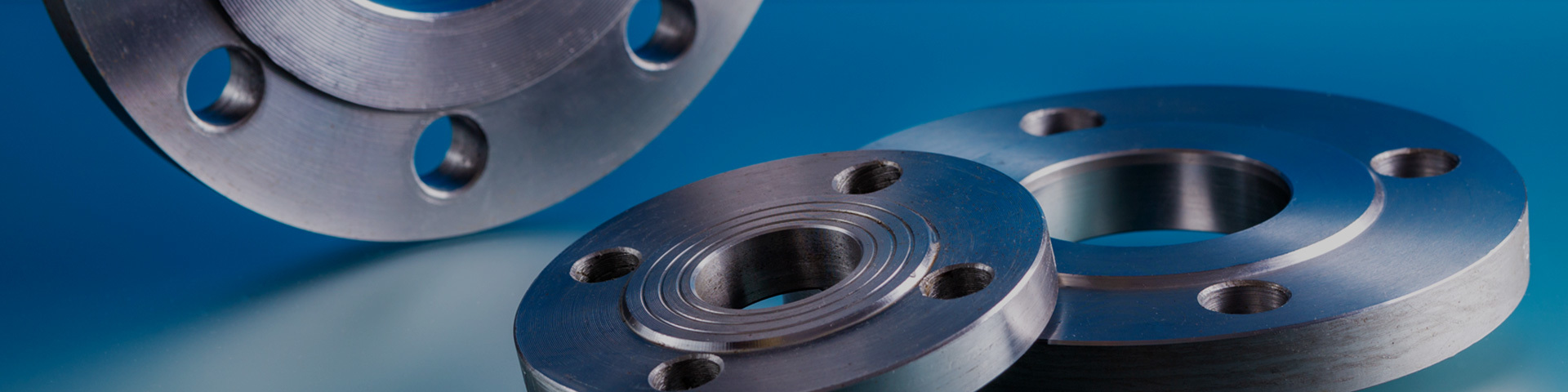
Understanding GOST 12820-80 Plate Flange: Essential Insights for Construction and Decoration
Date:
2026-02-06
The GOST 12820-80 Plate Flange is a crucial component in the realm of piping systems, extensively utilized in various construction and decoration projects. This standard, established by the Russian Federal Agency for Technical Regulation and Metrology, outlines the specifications and requirements for plate flanges used in pipeline constructions. Understanding this standard is essential for ensurin
One of the primary characteristics of GOST 12820-80 Plate Flanges is their dimensional accuracy. These flanges are designed to fit seamlessly within specific diameters and pressure ratings, which are critical in maintaining fluid flow and preventing leaks. The GOST standard specifies various sizes, materials, and pressure classes to cater to different applications, ensuring that engineers and constructors have the appropriate tools for their projects.
Material selection plays an integral role in determining the performance of GOST 12820-80 Plate Flanges. Common materials include carbon steel and stainless steel, chosen for their durability and resistance to corrosion. In applications where flanges are exposed to aggressive environments, such as chemical processing or marine applications, material selection becomes even more critical to ensure longevity and safety.
In addition to material considerations, the GOST 12820-80 standard emphasizes the need for proper surface treatment and finish. A well-finished flange surface can improve the seal between the flange and the connected pipe, reducing the risk of leakage. Surface roughness and treatment methods are specified within the standard, guiding manufacturers to produce flanges that meet performance expectations.
Moreover, understanding the installation process of GOST 12820-80 Plate Flanges is vital. Proper alignment, use of gaskets, and adequate torque specifications during installation can significantly impact the performance of the flange in service. It is advisable to follow the best practices outlined in the standard to ensure a secure and leak-free connection.
The application of GOST 12820-80 Plate Flanges extends beyond traditional piping systems. They are also utilized in various industries, including oil and gas, water treatment, and HVAC systems. Their versatility makes them a preferred choice in both residential and commercial projects, contributing to the overall efficiency and safety of the infrastructure.
In conclusion, the GOST 12820-80 Plate Flange is an essential element in modern construction and decoration applications. By understanding its specifications, materials, and installation practices, professionals can ensure high-quality and reliable piping systems. For those involved in construction and building design, familiarizing oneself with this standard can lead to better project outcomes and enhanced safety measures.
Key Words:
Related News
2026-02-04

PROFESSIONAL MANUFACTURER OF
FLANGES AND PIPE FITTINGS
Sanshi (Hebei) Industry Co., Ltd
Address: Cangzhou Mengcun Hui Autonomous County Hope New Area, Hebei province
Mail: wendy@sanshifitting.com


Copyright © 2023 Sanshi (Hebei) Industrial Co., Ltd