
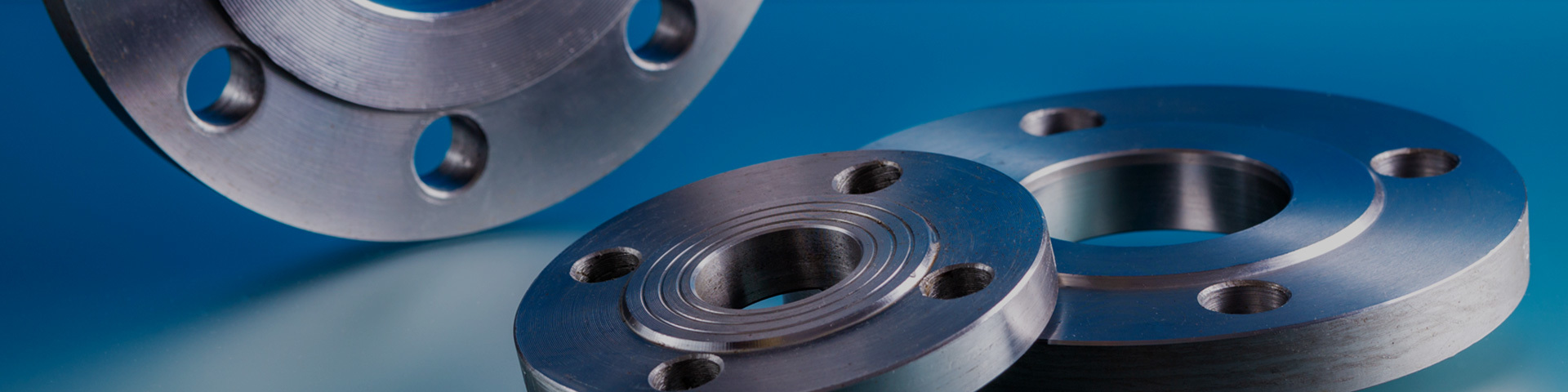
A Comprehensive Guide to ANSI B16.5 BL Flanges: What You Need to Know
Date:
2026-02-13
A Comprehensive Guide to ANSI B16.5 BL Flanges: What You Need to Know Table of Contents 1. Introduction to ANSI B16.5 BL Flanges 2. Understanding Flanges: Types and Applications 3. ANSI B16.5 Standards Explained 4. Specifications of ANSI B16.5 BL Flanges 5. Materials Used in BL Flanges 6. Installation Guide for ANSI B16.5 BL Flanges 7. Maintenance Tips for Longevity
A Comprehensive Guide to ANSI B16.5 BL Flanges: What You Need to Know
Table of Contents
- 1. Introduction to ANSI B16.5 BL Flanges
- 2. Understanding Flanges: Types and Applications
- 3. ANSI B16.5 Standards Explained
- 4. Specifications of ANSI B16.5 BL Flanges
- 5. Materials Used in BL Flanges
- 6. Installation Guide for ANSI B16.5 BL Flanges
- 7. Maintenance Tips for Longevity
- 8. Common Issues and Solutions with BL Flanges
- 9. Conclusion
- 10. Frequently Asked Questions
1. Introduction to ANSI B16.5 BL Flanges
In the realm of piping systems, **ANSI B16.5 BL flanges** play a critical role in ensuring that connections between pipes are secure and leak-proof. These flanges, defined under the ANSI B16.5 standard, are designed to provide a reliable means of joining two sections of piping together, facilitating the safe transport of fluids and gases in various industries. Understanding BL flanges is essential for engineers, contractors, and maintenance personnel involved in piping design and installation.
2. Understanding Flanges: Types and Applications
Flanges are mechanical components that connect pipes, valves, pumps, and other equipment in piping systems. **BL flanges**, specifically, are one type of **slip-on flange**, which means they can be slid onto the pipe and then welded in place. This construction allows for easier alignment during installation, making them a popular choice in process piping applications.
2.1 Types of Flanges
Flanges come in various types, including:
- **Weld Neck Flanges**: Ideal for high-pressure applications.
- **Slip-On Flanges**: Easy to install, suitable for low-pressure applications.
- **Blind Flanges**: Used to seal the end of a piping system.
- **Socket Weld Flanges**: For small-diameter piping systems where strength is crucial.
- **Threaded Flanges**: Often used in applications where welding is not feasible.
2.2 Applications of BL Flanges
BL flanges are commonly used in various industries, including:
- **Oil and Gas**: For transporting crude oil and natural gas.
- **Water Supply**: In municipal and industrial water systems.
- **Chemical Processing**: For piping systems that transport chemicals and corrosive substances.
3. ANSI B16.5 Standards Explained
The ANSI B16.5 standard outlines the requirements for flanges and flange fittings used in piping systems. This standard covers various aspects such as:
- **Material Specifications**: Types of materials suitable for flange production.
- **Pressure Ratings**: Design pressures for different temperatures.
- **Dimensions**: Standardized sizes for compatibility across various systems.
Understanding these standards ensures that the flanges used in a system will perform effectively and safely under designated pressures and temperatures.
4. Specifications of ANSI B16.5 BL Flanges
ANSI B16.5 BL flanges come with specific dimensions and pressure ratings that make them suitable for diverse applications.
4.1 Dimensional Specifications
BL flanges are available in various sizes, generally ranging from 1/2 inch to 24 inches in nominal pipe size. Each size has corresponding dimensions for:
- **Outer Diameter (OD)**
- **Bolt Circle Diameter (BCD)**
- **Number of Bolt Holes**
4.2 Pressure Ratings
These flanges are categorized into different pressure classes, typically ranging from **150 to 2500 pounds per square inch (psi)**. The chosen pressure class should align with the system's operational requirements to ensure safety and efficiency.
5. Materials Used in BL Flanges
When selecting ANSI B16.5 BL flanges, the material of construction is paramount. The most common materials include:
- **Carbon Steel**: Known for its strength and durability.
- **Stainless Steel**: Offers excellent corrosion resistance.
- **Alloy Steel**: Suitable for high-temperature and high-pressure applications.
Choosing the right material influences not only the flange's performance but also its compatibility with the fluid being transported.
6. Installation Guide for ANSI B16.5 BL Flanges
Proper installation is crucial for ensuring that BL flanges function correctly. Here are some essential steps to consider:
6.1 Preparation
- Ensure that the pipe ends are clean and free from rust, debris, or any obstructions.
- Check that the flange surfaces are smooth and flat to promote a good seal.
6.2 Aligning and Installing the Flange
- Slide the BL flange onto the pipe, ensuring it sits flush against the pipe end.
- Align the bolt holes with those of the connected flange and insert bolts.
6.3 Tightening the Bolts
- Use a torque wrench to tighten bolts in a crisscross pattern to ensure even distribution of pressure.
- Follow the manufacturer's torque specifications to avoid overtightening or under-tightening.
7. Maintenance Tips for Longevity
To maintain the integrity and performance of ANSI B16.5 BL flanges, consider the following maintenance practices:
7.1 Regular Inspections
- Schedule periodic inspections for signs of wear, corrosion, or leakage.
- Check for any misalignment or loosening of bolts.
7.2 Cleaning
- Keep flanges clean and free of corrosive substances.
- Use appropriate cleaning agents that do not damage the flange material.
7.3 Replacing Worn Components
- Replace any worn or damaged flanges promptly to avoid system failures.
- Ensure that replacement parts meet ANSI B16.5 standards.
8. Common Issues and Solutions with BL Flanges
While ANSI B16.5 BL flanges are robust, they can face certain challenges:
8.1 Leaks
**Problem**: Leaks can occur due to improper installation or wear.
**Solution**: Inspect the installation and replace gaskets if necessary. Ensure proper torque specifications are followed.
8.2 Corrosion
**Problem**: Corrosion can weaken the flange material.
**Solution**: Use corrosion-resistant materials and apply protective coatings.
8.3 Misalignment
**Problem**: Misaligned flanges can create stress and lead to failures.
**Solution**: Ensure correct alignment during installation and make adjustments as needed.
9. Conclusion
Understanding ANSI B16.5 BL flanges is essential for anyone involved in the design, installation, and maintenance of piping systems. By adhering to the standards, recognizing the specifications, and employing proper installation and maintenance techniques, professionals can ensure the integrity and functionality of their piping systems. This comprehensive guide serves as a valuable resource for navigating the world of BL flanges, ultimately enhancing both safety and efficiency in industrial applications.
10. Frequently Asked Questions
What is the difference between slip-on and weld neck flanges?
Slip-on flanges are easier to install and require less precision, while weld neck flanges provide better strength and are preferred in high-pressure applications.
Can ANSI B16.5 BL flanges be used in high-temperature applications?
Yes, but it is crucial to choose the right material and pressure rating to ensure safety and performance.
How do I determine the correct size of a BL flange?
The size of a BL flange is based on the nominal size of the pipe it will be attached to. Always refer to the manufacturer's specifications.
What types of gaskets should be used with BL flanges?
It is recommended to use gaskets made from materials compatible with the transported fluid and capable of withstanding the operating temperature and pressure.
How often should I inspect ANSI B16.5 BL flanges?
Regular inspections should be conducted at least annually, or more frequently in critical applications, to ensure optimal performance and safety.
Key Words:
Related News
2026-02-04

PROFESSIONAL MANUFACTURER OF
FLANGES AND PIPE FITTINGS
Sanshi (Hebei) Industry Co., Ltd
Address: Cangzhou Mengcun Hui Autonomous County Hope New Area, Hebei province
Mail: wendy@sanshifitting.com


Copyright © 2023 Sanshi (Hebei) Industrial Co., Ltd