
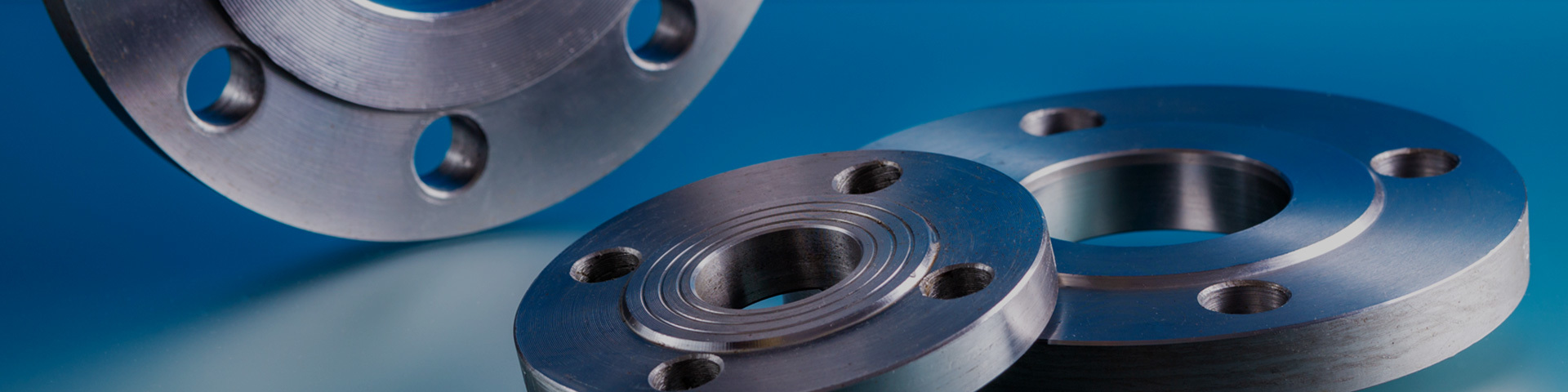
Why JIS B2220 Slip-on Welding Flanges Are Indispensable for Your Pipeline System
Date:
2026-01-30
Introduction to JIS B2220 Slip-on Welding Flanges In the realm of pipeline construction and industrial applications, the choice of components plays a crucial role in ensuring the efficiency and longevity of the systems. **JIS B2220 slip-on welding flanges** stand out as essential components for **pipeline connections**, offering reliability and ease of use. This article elaborates on the importanc
Introduction to JIS B2220 Slip-on Welding Flanges
In the realm of pipeline construction and industrial applications, the choice of components plays a crucial role in ensuring the efficiency and longevity of the systems. **JIS B2220 slip-on welding flanges** stand out as essential components for **pipeline connections**, offering reliability and ease of use. This article elaborates on the importance of these flanges and how they can elevate your pipeline systems.
Understanding JIS B2220 Specifications
JIS B2220 is a Japanese Industrial Standard that specifies the dimensions, tolerances, and design of slip-on welding flanges. These flanges are primarily used in piping systems that require a straightforward installation process and a robust connection.
Key Features of JIS B2220 Slip-on Welding Flanges
1. **Design and Dimensions**: JIS B2220 flanges come in various sizes, typically ranging from **10A to 300A**, accommodating a wide range of pipeline diameters.
2. **Material Options**: Common materials include carbon steel, stainless steel, and alloy steel, ensuring compatibility with multiple environments.
3. **Pressure Ratings**: Flanges are rated for different pressures, making them suitable for various applications, including low-pressure and high-pressure systems.
Why Choose Slip-on Welding Flanges?
Slip-on welding flanges are preferred in many applications due to their design, which allows them to "slip" over the pipe before being welded. This feature facilitates ease of alignment and installation, making it a popular choice among engineers and contractors.
The Advantages of Using JIS B2220 Slip-on Welding Flanges
Understanding the benefits of JIS B2220 slip-on welding flanges can help you make informed decisions for your pipeline projects.
Ease of Installation
One of the most significant advantages of slip-on welding flanges is **ease of installation**. The design allows for quick assembly, reducing labor costs and installation time.
Cost-Effectiveness
When compared to other flange types, slip-on welding flanges tend to be more economical. Their simplistic design reduces the need for complex fittings and connections, making them a cost-effective choice for large-scale projects.
Versatility in Applications
JIS B2220 flanges can be used in various applications, including:
- **Water Supply Systems**: Ideal for connecting pipes in water supply networks.
- **Petroleum and Gas Industries**: Commonly used in oil and gas pipelines due to their strength and durability.
- **Chemical Processing**: Suitable for handling corrosive substances with appropriate material selection.
Design Considerations for JIS B2220 Slip-on Welding Flanges
When selecting JIS B2220 slip-on welding flanges for your project, several design considerations must be taken into account:
Pipe Size and Thickness
Ensure that the flange size corresponds to the pipe diameter and thickness. Mismatches can lead to leaks and system failures.
Material Compatibility
Choose flanges made from materials that are compatible with the fluids they will transport. For instance, stainless steel is preferred for corrosive environments.
Pressure and Temperature Ratings
Assess the pressure and temperature within your pipeline system. Ensure that the selected flanges can withstand the operational conditions without compromising integrity.
Installation Best Practices for JIS B2220 Slip-on Welding Flanges
Proper installation is crucial for the performance of slip-on welding flanges. Here are some best practices to follow:
Surface Preparation
Before installation, ensure that the surfaces of both the flange and the pipe are clean and free from contaminants. This step is vital for achieving a strong weld.
Alignment and Fit-Up
Carefully align the flange with the pipe to ensure a proper fit. Misalignment can cause stress points that may lead to failure.
Welding Techniques
Use appropriate welding techniques to create a strong bond. Common methods include **TIG (Tungsten Inert Gas) welding** and **MIG (Metal Inert Gas) welding**, depending on the materials being joined.
Maintenance and Inspection of JIS B2220 Slip-on Welding Flanges
Maintaining your pipeline system is as essential as the initial installation. Regular inspections can help identify potential issues before they escalate.
Regular Visual Inspections
Conduct periodic visual inspections to check for signs of wear, corrosion, or leaks. Early detection can prevent costly repairs.
Non-Destructive Testing (NDT)
Implement non-destructive testing methods such as ultrasonic testing or radiographic inspection to assess the integrity of the welds without damaging the flanges.
Common FAQs about JIS B2220 Slip-on Welding Flanges
1. What is the difference between slip-on and weld neck flanges?
Slip-on flanges are easier to install and align, while weld neck flanges provide greater strength and are preferred in high-pressure applications.
2. Can slip-on welding flanges be used in high-temperature applications?
Yes, as long as the materials and design specifications meet the required temperature ratings.
3. What materials are JIS B2220 flanges made from?
Common materials include carbon steel, stainless steel, and alloy steel, chosen based on the application environment.
4. How do I choose the right size flange for my pipeline?
Select a flange that matches the pipe diameter and thickness to ensure a secure fit.
5. Are JIS B2220 flanges suitable for corrosive substances?
Yes, but it is essential to select flanges made of materials that are compatible with the specific corrosive substances involved.
Conclusion
JIS B2220 slip-on welding flanges are vital components in modern pipeline systems, offering a blend of simplicity, cost-effectiveness, and reliability. Their ease of installation and versatility makes them an excellent choice for various industries, including water supply, petroleum, and chemical processing. By understanding their specifications, advantages, and best practices for installation and maintenance, you can ensure that your pipeline systems operate efficiently and effectively. Investing in the right flanges is crucial for the longevity and safety of your infrastructure, making JIS B2220 slip-on welding flanges an indispensable choice for any pipeline project.
Key Words:
Related News

PROFESSIONAL MANUFACTURER OF
FLANGES AND PIPE FITTINGS
Sanshi (Hebei) Industry Co., Ltd
Address: Cangzhou Mengcun Hui Autonomous County Hope New Area, Hebei province
Mail: wendy@sanshifitting.com


Copyright © 2023 Sanshi (Hebei) Industrial Co., Ltd