
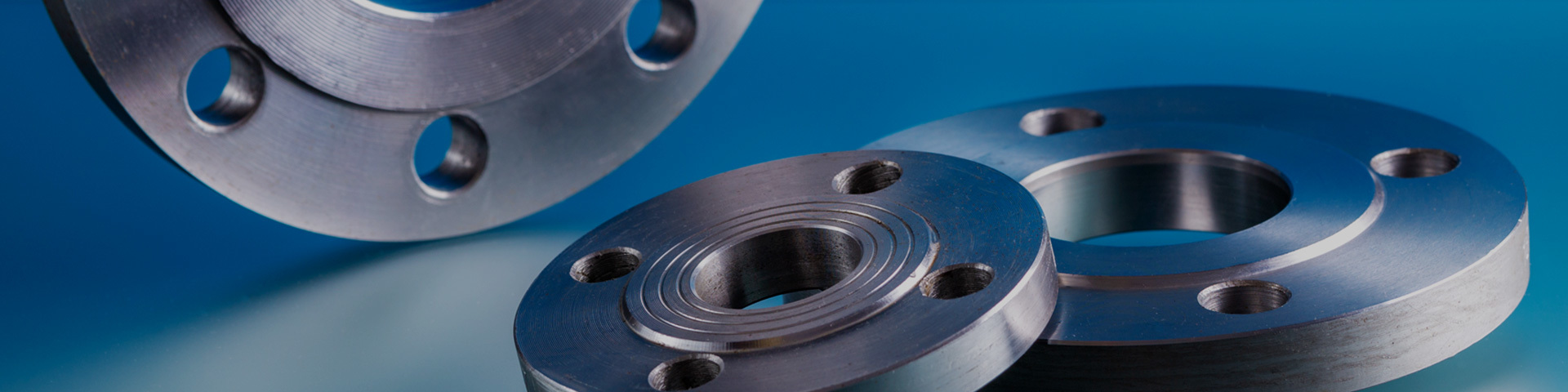
Exploring the Benefits of Using ANSI B16.5 WN Flanges in Building Projects
Date:
2025-10-07
Exploring the Benefits of Using ANSI B16.5 WN Flanges in Building Projects Table of Contents 1. Introduction to ANSI B16.5 WN Flanges 2. Importance of Using Quality Flanges in Construction 3. Design Features of ANSI B16.5 WN Flanges 3.1. Material Specifications 3.2. Dimensions and Pressure Ratings 4. Benefits of ANSI B16.5 WN Flanges
Exploring the Benefits of Using ANSI B16.5 WN Flanges in Building Projects
Table of Contents
- 1. Introduction to ANSI B16.5 WN Flanges
- 2. Importance of Using Quality Flanges in Construction
- 3. Design Features of ANSI B16.5 WN Flanges
- 4. Benefits of ANSI B16.5 WN Flanges
- 4.1. Structural Integrity
- 4.2. Ease of Installation
- 4.3. Cost-Effectiveness
- 4.4. Versatility in Applications
- 5. Comparing ANSI B16.5 WN Flanges to Other Types
- 6. Common Applications in Building Projects
- 7. Maintenance and Longevity of ANSI B16.5 WN Flanges
- 8. Conclusion
- 9. Frequently Asked Questions
1. Introduction to ANSI B16.5 WN Flanges
ANSI B16.5 Weld Neck (WN) Flanges are integral components in various piping systems, especially in the construction and decoration sectors. These flanges are specifically designed to connect pipes, valves, and equipment, ensuring a robust and reliable seal. With their unique design and structural advantages, ANSI B16.5 WN Flanges are often favored for high-pressure applications, making them an essential consideration for engineers and project managers.
2. Importance of Using Quality Flanges in Construction
The choice of flanges in any building project can profoundly impact the overall quality and safety of the piping system. High-quality flanges contribute to the durability of the connections, minimize the risk of leaks, and facilitate effective maintenance. Adopting ANSI B16.5 WN Flanges ensures that project managers prioritize safety and long-term performance.
3. Design Features of ANSI B16.5 WN Flanges
Understanding the design features of ANSI B16.5 WN Flanges is crucial for appreciating their benefits.
3.1. Material Specifications
ANSI B16.5 WN Flanges are available in various materials, including carbon steel, stainless steel, and alloy materials. This diversity allows for tailored solutions depending on the specific requirements of the project. The choice of material also affects the flange's resistance to corrosion, pressure, and temperature variations.
3.2. Dimensions and Pressure Ratings
These flanges come in different sizes and pressure ratings, which are essential for ensuring compatibility with existing piping systems. ANSI B16.5 specifies various nominal pipe sizes ranging from 1/2 inch to 24 inches, allowing engineers to select the right flange for their specific application needs.
4. Benefits of ANSI B16.5 WN Flanges
Numerous advantages come with using ANSI B16.5 WN Flanges in building projects.
4.1. Structural Integrity
The design of WN flanges features a neck that leads into the pipe, providing gradual stress distribution and minimizing the risk of fatigue under high pressure. This design significantly improves the overall structural integrity of the piping system, ensuring reliable operation over time.
4.2. Ease of Installation
Weld neck flanges provide a straightforward installation process. Their design makes alignment with pipes and other components easier, reducing labor costs and installation time. Additionally, the welded connection creates a strong bond, further simplifying the installation procedure.
4.3. Cost-Effectiveness
While the initial cost of ANSI B16.5 WN Flanges may be higher than other types, their durability can lead to significant long-term savings. Fewer replacements and reduced maintenance efforts contribute to lower overall project costs, making them a cost-effective solution in the long run.
4.4. Versatility in Applications
ANSI B16.5 WN Flanges are versatile and can be used in various applications, including oil and gas, chemical processing, and water treatment plants. Their adaptability to different environments and conditions makes them suitable for a wide range of construction projects.
5. Comparing ANSI B16.5 WN Flanges to Other Types
When selecting flanges for a project, it’s crucial to compare ANSI B16.5 WN Flanges to other types such as slip-on, blind, and threaded flanges. Each type has its own advantages and disadvantages, but WN flanges typically offer superior performance in high-pressure scenarios. Their ability to withstand extreme conditions makes them preferred in critical applications where safety is paramount.
6. Common Applications in Building Projects
ANSI B16.5 WN Flanges find extensive use in numerous building projects. Some of the most common applications include:
- **Pipelines**: For transporting fluids and gases in industrial settings.
- **Pressure Vessels**: To ensure secure connections in equipment dealing with high-pressure operations.
- **Heat Exchangers**: Facilitating effective heat transfer in HVAC systems.
These applications demonstrate the versatility and reliability of ANSI B16.5 WN Flanges across different industries.
7. Maintenance and Longevity of ANSI B16.5 WN Flanges
Maintaining ANSI B16.5 WN Flanges is relatively straightforward. Regular inspections should be conducted to check for any signs of wear or corrosion. Proper servicing and timely replacements of gaskets can significantly extend the lifespan of flanges, ensuring that the system operates efficiently and effectively.
8. Conclusion
In concluding, ANSI B16.5 WN Flanges present numerous benefits that make them an ideal choice for construction projects. Their structural integrity, ease of installation, cost-effectiveness, and versatility establish them as a superior option within the piping system components. Proper understanding and implementation of these flanges can lead to enhanced performance and longevity of the entire system. When embarking on your next building project, consider the advantages of integrating ANSI B16.5 WN Flanges into your plans for a more reliable and efficient outcome.
9. Frequently Asked Questions
What are ANSI B16.5 WN Flanges?
ANSI B16.5 WN Flanges are specialized flanges designed for connecting pipes and equipment, particularly in high-pressure applications.
What materials are ANSI B16.5 WN Flanges made from?
These flanges are typically available in carbon steel, stainless steel, and various alloy materials, allowing for selection based on project requirements.
What are the advantages of using ANSI B16.5 WN Flanges?
The advantages include structural integrity, ease of installation, cost-effectiveness, and versatility across different applications.
How do ANSI B16.5 WN Flanges compare to other types of flanges?
WN flanges generally outperform other types, especially in high-pressure settings, due to their design that reduces stress concentration.
What are the common applications of ANSI B16.5 WN Flanges?
Common applications include pipelines, pressure vessels, and heat exchangers among various industrial processes.
By focusing on the comprehensive advantages and characteristics of ANSI B16.5 WN Flanges, this article aims to provide valuable insights for professionals in the construction and architectural industry.
Key Words:
Related News

PROFESSIONAL MANUFACTURER OF
FLANGES AND PIPE FITTINGS
Sanshi (Hebei) Industry Co., Ltd
Address: Cangzhou Mengcun Hui Autonomous County Hope New Area, Hebei province
Mail: wendy@sanshifitting.com


Copyright © 2023 Sanshi (Hebei) Industrial Co., Ltd