
Understanding JIS B2220 Slip-on Welding Flanges: A Comprehensive Guide
Date:
2025-10-14
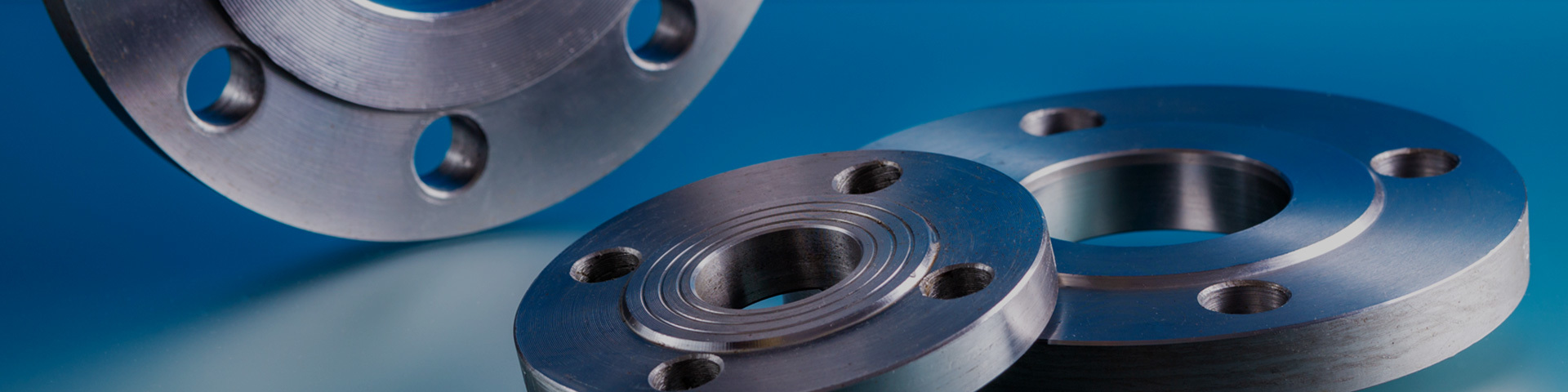
JIS B2220 Slip-on Welding Flanges are crucial components in piping systems, commonly used in various industrial applications. These flanges are part of the Japanese Industrial Standards (JIS) and are designed for ease of installation and reliable performance. Slip-on flanges are distinguished by their unique fitting method, where the flange is slipped over the pipe, allowing for a straightforward
One of the primary advantages of JIS B2220 Slip-on Welding Flanges is their installation efficiency. The design allows for a simple connection to the pipe, significantly reducing the time and labor required during assembly. This attribute makes them especially appealing in construction projects where time and budget constraints are critical.
In terms of dimensions and standards, the JIS B2220 standard specifies various sizes and pressure ratings, accommodating a range of piping systems. When selecting a slip-on flange, it's vital to consider the appropriate size that matches the pipe’s diameter while ensuring compatibility with the system's pressure requirements. The comprehensive nature of the JIS B2220 standard allows for flexibility in application, making these flanges suitable for different environments, including water supply, chemical processing, and oil and gas industries.
Another significant aspect of JIS B2220 Slip-on Welding Flanges is their material composition. They are typically made from carbon steel, stainless steel, or alloy steel, depending on the specific requirements of the application. Each material offers distinct advantages; for example, stainless steel provides excellent corrosion resistance, making it ideal for harsh environments. On the other hand, carbon steel flanges are favored for their strength and cost-effectiveness.
When it comes to installation, proper welding techniques are essential to ensure the integrity of the joint. The flange should be aligned correctly with the pipe, and the welding should be performed with precision to prevent any leakage or failure under pressure. Following standard welding practices and conducting thorough inspections post-installation can greatly enhance the reliability of the connection.
In summary, JIS B2220 Slip-on Welding Flanges are an indispensable part of modern piping systems. Their ease of installation, compatibility with various pipe sizes, and availability in different materials make them a preferred choice in many industrial applications. Understanding the specifications and best practices associated with these flanges will aid professionals in making informed decisions, ultimately contributing to the success of their projects. Whether for new installations or maintenance, the knowledge of JIS B2220 Slip-on Welding Flanges is invaluable for anyone involved in the construction and decorative materials sector.
Key Words:
Related News

PROFESSIONAL MANUFACTURER OF
FLANGES AND PIPE FITTINGS
Sanshi (Hebei) Industry Co., Ltd
Address: Cangzhou Mengcun Hui Autonomous County Hope New Area, Hebei province
Mail: wendy@sanshifitting.com


Copyright © 2023 Sanshi (Hebei) Industrial Co., Ltd