
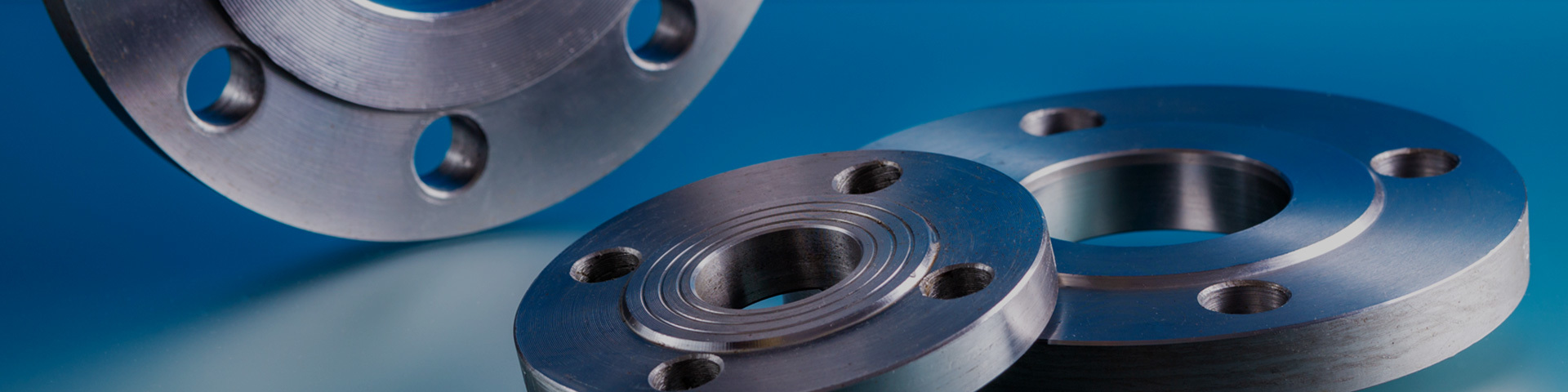
Flange manufacturers for your answer:What is the PCD of a flange?
Date:
2024-08-29
Welcome to our website, our Sanshi industry is a professional manufacturer of flanged pipe fittings, the goods are exported overseas, you can produce national standards of flanged pipe fittings products if there is demand can contact us, below we will answer your questions:What is the PCD of a flange?
The term "PCD" in the context of a flange refers to "Pitch Circle Diameter." This is a term used to describe the diameter of the circle that is formed by the centers of the bolts or studs that hold the flange together. The PCD is an important dimension when specifying flanges, especially in piping systems, because it determines the spacing of the bolt holes and affects the overall alignment and connection of the flanges.
In a flange assembly, the bolts or studs pass through holes in the flanges, and the nuts on the other side tighten them to create a secure connection. The PCD is used to ensure that the bolts are evenly distributed around the flange, providing a uniform load distribution and a proper seal.
For example, in the case of a raised face flange, the PCD is measured across the raised face, and it is typically larger than the nominal diameter of the flange to accommodate the bolts and provide a sufficient sealing surface for the gasket.
The PCD is often specified in the flange standards, such as ASME B16.5 or DIN EN 1092, which provide guidelines for the dimensions and tolerances of flanges used in industrial piping and pressure vessel applications. It is important to note that the PCD is not the same as the inside diameter (ID) of the pipe or the outside diameter (OD) of the flange itself.
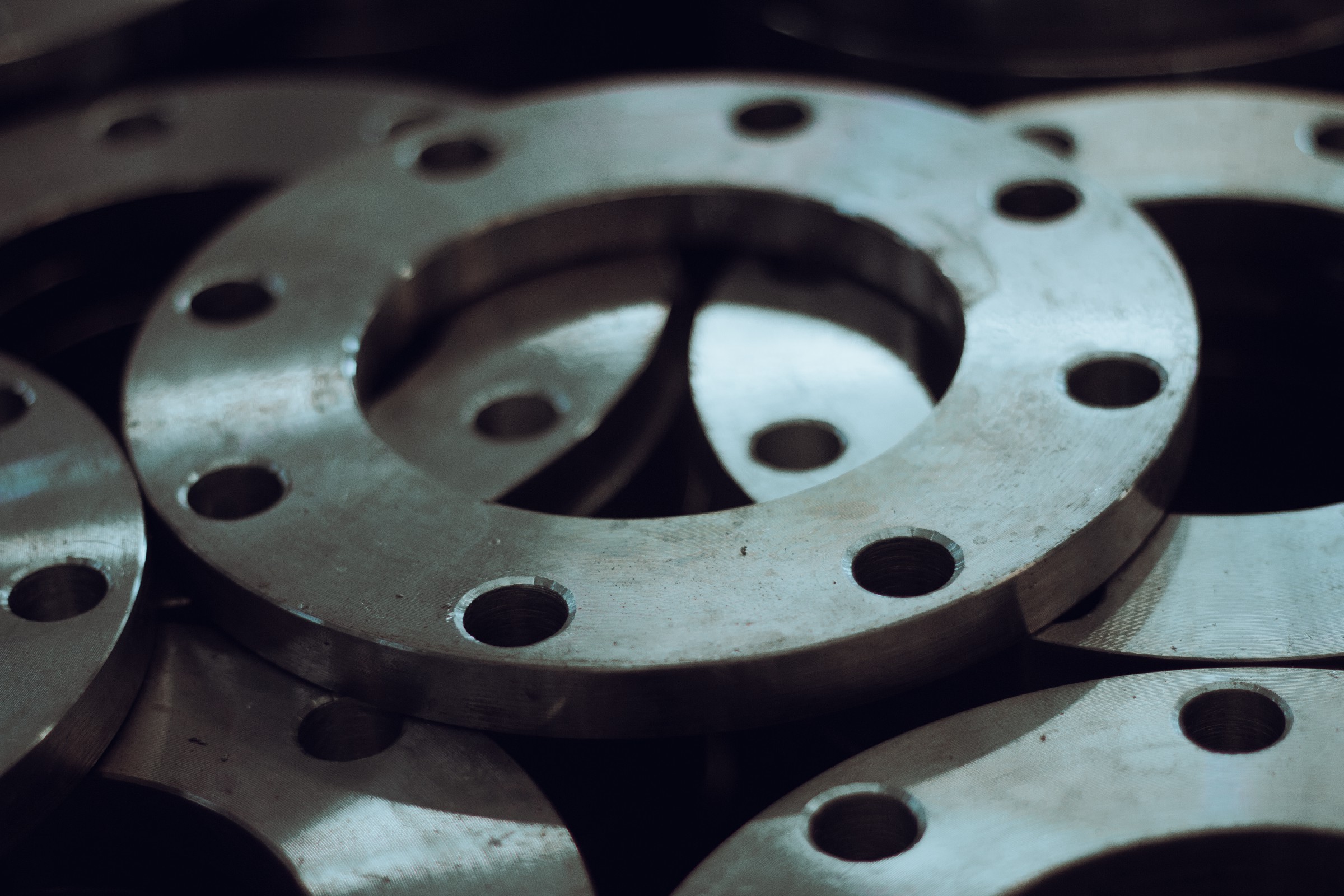
Sanshi (Hebei) Industrial Co., Ltd. is a manufacturer specializing in the production of flanges and pipe fittings. Our goods are exported to overseas, and can produce flanges and pipe fittings of American standard ANSI, German standard DIN, European standard EN1092, Japanese standard JIS, British standard BS, Russian standard GOST, Italian standard UNI and other international standards. If you have any purchase needs or questions, please contact us.
Key Words:
Previous:
Related News

PROFESSIONAL MANUFACTURER OF
FLANGES AND PIPE FITTINGS
Sanshi (Hebei) Industry Co., Ltd
Address: Cangzhou Mengcun Hui Autonomous County Hope New Area, Hebei province
Mail: wendy@sanshifitting.com


Copyright © 2023 Sanshi (Hebei) Industrial Co., Ltd