
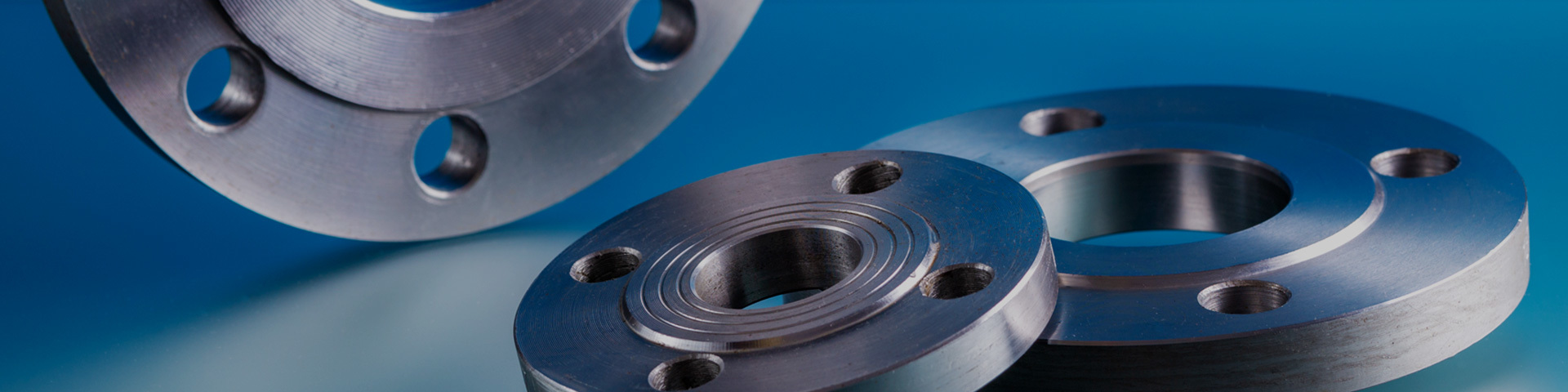
Key Stages in the Production Process of Welded Pipe Fittings
Date:
2025-03-19
Welded pipe fittings play a crucial role in the connection of pipeline systems, and the key stages in their production process need to be strictly controlled to ensure the quality and performance of the fittings. The following are several key stages to be aware of in the production process of welded pipe fittings:
1. Material Preparation
- Select appropriate stainless steel materials, ensuring their chemical composition and mechanical properties meet design requirements.
- Conduct rigorous inspection of raw materials, including visual examination, dimensional measurement, chemical composition analysis, and mechanical property testing, to exclude defective materials.
2. Groove Machining
- Based on welding process requirements, machine the welding area of the pipe fittings to create a groove. The shape and size of the groove should comply with standard specifications to ensure welding quality and joint strength.
- After groove machining, clean the area to remove impurities such as oil stains, rust, and scale from the surface of the groove to prevent welding defects.
3. Welding Process
- Choose an appropriate welding method, such as manual arc welding, TIG welding, gas-shielded welding, etc., based on the material, thickness, and structural characteristics of the fittings.
- Develop reasonable welding process parameters, including welding current, voltage, welding speed, and the diameter of the electrode or wire, to ensure the quality of the welding joint.
- During the welding process, strictly control environmental factors such as temperature, humidity, and wind speed to avoid adverse effects on welding quality.
4. Welding Operations
- Welding operators should possess the necessary qualifications and skills and strictly follow the welding process procedures.
- Pay attention to the welding sequence and direction during welding to minimize welding deformation and residual stress.
- Ensure the appearance quality of the weld, with welds being uniform, smooth, and free from cracks, pores, and slag inclusions.
5. Post-Welding Treatment
- After welding, visually inspect the welds and perform non-destructive testing, such as radiographic inspection or ultrasonic testing, to ensure there are no internal defects.
- Perform heat treatment on the welded joints, such as annealing or normalizing, to improve the microstructure and properties of the weld and eliminate residual stresses.
- Subject the fittings to surface treatments such as pickling and passivation to enhance their corrosion resistance.
6. Quality Inspection
- Establish a comprehensive quality inspection system to monitor and inspect the entire production process of welded pipe fittings.
- Conduct sampling inspections of finished pipe fittings, including dimensional checks, pressure tests, and tightness tests, to ensure the quality of the fittings meets standards and design requirements.
In summary, the production process of welded pipe fittings requires strict control of all key stages, from material preparation to welding operations, and from post-welding treatment to quality inspection. Every step must comply with relevant standards and specifications to produce high-quality welded pipe fittings and ensure the safe operation of pipeline systems.
Sanshi (Hebei) Industrial Co., Ltd. is a manufacturer specializing in the production of flanges and pipe fittings. Our goods are exported to overseas, and can produce flanges and pipe fittings of American standard ANSI, German standard DIN, European standard EN1092, Japanese standard JIS, British standard BS, Russian standard GOST, Italian standard UNI and other international standards. If you have any purchase needs or questions, please contact us.
Tel: 86-317-6852088
Phone: 86-18733056688
Web: http://www.sanshifitting.com
Address: Cangzhou Mengcun Hui Autonomous County Hope New Area, Hebei province
Mail: Info@sanshifitting.com
Key Words:
Related News

PROFESSIONAL MANUFACTURER OF
FLANGES AND PIPE FITTINGS
Sanshi (Hebei) Industry Co., Ltd
Address: Cangzhou Mengcun Hui Autonomous County Hope New Area, Hebei province
Mail: wendy@sanshifitting.com


Copyright © 2023 Sanshi (Hebei) Industrial Co., Ltd