
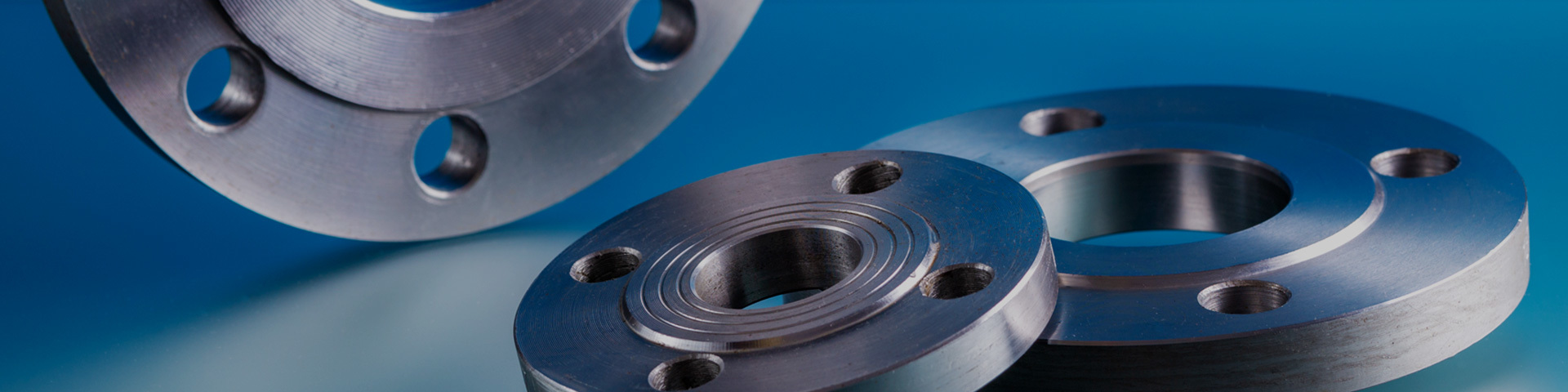
Choice of elbow material
Date:
2025-02-19
In gas piping systems, the selection of elbow materials is a pivotal decision that significantly impacts the system's performance, reliability, and economic viability. A meticulous examination of the characteristics, suitability, and limitations of the three predominant materials used in elbow construction—carbon steel, stainless steel, and plastics—is essential to make an informed choice.
Carbon Steel Elbows
Carbon elbows, which are composed of iron and carbon, offer a blend of properties that make them a popular choice in various industrial settings:
- Mechanical Properties: Known for their robustness, carbon steel elbows exhibit high tensile strength and durability, enabling them to withstand substantial pressure and mechanical stress. This makes them ideal for systems that demand robust components capable of withstanding rigorous operational conditions.
- Corrosion Resistance: While carbon steel elbows have moderate corrosion resistance, they are generally adequate for service in dry environments or when handling non-corrosive gases. However, their performance may degrade in the presence of moisture or corrosive agents.
- Temperature Range: These elbows can operate within a broad temperature range, but their use is not recommended for applications involving extreme temperatures, as excessive heat can lead to material fatigue and failure.
- Economic Considerations: Carbon steel is cost-effective, offering a balance between strength and affordability, which makes it an attractive option for projects with budget constraints.
- Typical Applications: Carbon steel elbows are commonly found in natural gas distribution systems, industrial plants, and other applications where the conveyed gas is non-corrosive, and the operating temperature remains within a safe range.
Stainless Steel Elbows
Stainless steel elbows, containing alloys of chromium, nickel, and other elements, are valued for their distinctive properties:
- Mechanical Properties: Similar to carbon steel, stainless steel elbows are strong and durable, with the added benefit of superior resistance to fatigue and wear.
- Corrosion Resistance: Stainless steel is highly corrosion-resistant, a property that is crucial for systems exposed to aggressive environments, such as those with high humidity or chemical exposure.
- Temperature Range: These elbows can tolerate higher temperatures compared to carbon steel, which makes them suitable for applications requiring resistance to heat.
- Cost Considerations: Despite being more expensive than carbon steel, the enhanced corrosion resistance and temperature tolerance of stainless steel elbows can result in lower lifecycle costs due to reduced maintenance and replacement needs.
- Typical Applications: Stainless steel elbows are the preferred choice in chemical processing plants, marine environments, and food and beverage industries, where resistance to corrosion is paramount.
Plastic Elbows
Plastic elbows, often made from materials such as polyethylene (PE) or polyvinyl chloride (PVC), provide a different set of advantages:
- Mechanical Properties: Although plastics have lower strength than metals, they offer sufficient durability for applications with low mechanical stress, making them suitable for less demanding environments.
- Corrosion Resistance: Plastic elbows exhibit high corrosion resistance, as they are not affected by most chemicals, which makes them an excellent choice for corrosive gas environments.
- Temperature Range: Plastics have limited temperature resistance and are not designed for high-temperature applications, as prolonged exposure to heat can cause degradation and failure.
- Economic Considerations: Plastics are generally less expensive than metals, offering a cost-effective solution for applications where metal elbows may be prohibitively expensive.
- Typical Applications: Plastic elbows are commonly used in low-pressure gas applications, such as residential and commercial piping systems, where the conveyed gas is non-corrosive, and the operating temperatures are within the plastic material's tolerance limits.
In conclusion, the choice of elbow material must be made with a thorough understanding of the gas type, operating pressure, temperature, environmental conditions, and economic factors. Carbon steel elbows are strong and cost-effective for non-corrosive gases and moderate temperatures; stainless steel elbows offer corrosion resistance and are suitable for high-temperature applications; and plastic elbows provide corrosion resistance and low cost for low-pressure, non-corrosive applications. Each material's specific properties and application domains must be carefully considered to ensure the gas piping system's long-term stability, performance, and economic efficiency. The correct selection of elbow material is crucial for the optimal operation of the gas piping system, taking into account the system's unique requirements and the challenges of the environment in which it operates.
Key Words:
Related News

PROFESSIONAL MANUFACTURER OF
FLANGES AND PIPE FITTINGS
Sanshi (Hebei) Industry Co., Ltd
Address: Cangzhou Mengcun Hui Autonomous County Hope New Area, Hebei province
Mail: wendy@sanshifitting.com


Copyright © 2023 Sanshi (Hebei) Industrial Co., Ltd