
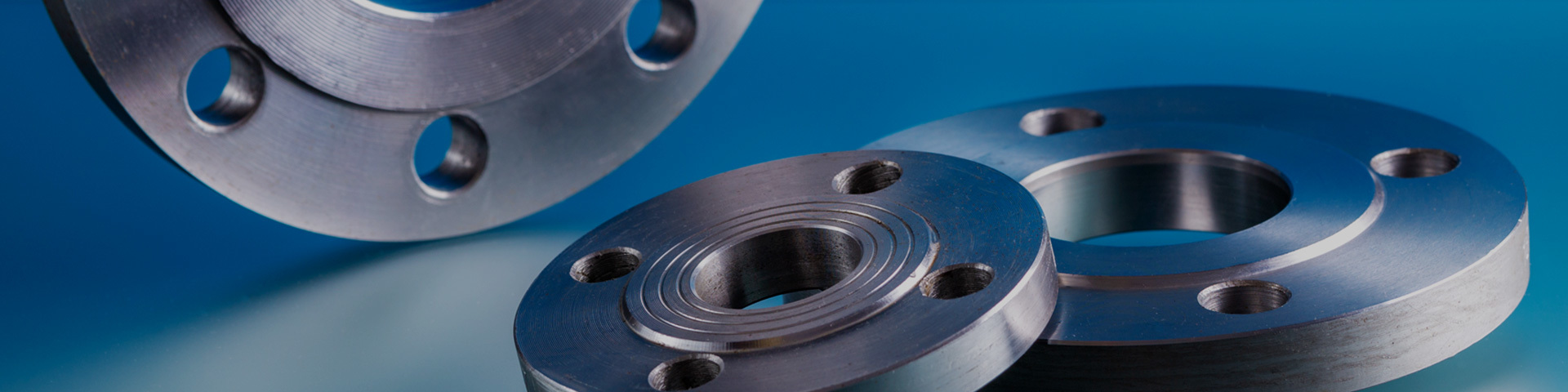
How do I make sure my flange fits?
Date:
2025-01-28
Ensuring that a flange fits properly is crucial for creating a secure and leak-free connection in a piping system. Here are the steps to ensure a proper fit:
1. Verify Pipe Size and Schedule
Before selecting a flange, confirm the nominal pipe size (NPS) and schedule (wall thickness) of the pipe to which the flange will be attached. The flange must be compatible with the pipe size.
2. Check Flange Dimensions
Measure the dimensions of the flange, including the outside diameter (OD), inside diameter (ID), and thickness. Ensure that these dimensions match the requirements for your application and that they are compatible with the gaskets and bolts you will use.
3. Ensure Proper Alignment
When installing the flange on a pipe, align it properly. For weld neck flanges, ensure the flange is centered on the pipe end. For slip-on flanges, slide it onto the pipe until it reaches the desired position. For socket weld flanges, insert the pipe into the socket until it bottoms out.
4. Clean the Pipe and Flange
Thoroughly clean the pipe end and the flange face to remove any dirt, rust, scale, or burrs. A clean surface ensures a better seal and prevents damage to the gasket.
5. Use the Correct Gasket
Select a gasket that is compatible with the flange facing type and the fluids, temperatures, and pressures in your system. The gasket should be of the appropriate size and material.
6. Apply Sealant or Tape (if necessary)
For threaded flanges, apply thread sealant or tape to the male threads to ensure a tight seal. For other flange types, apply a light coat of anti-seize compound to the bolt threads to prevent galling and facilitate future disassembly.
7. Bolt Up the Flange
- Place the gasket on the raised face of one flange.
- Assemble the bolts, nuts, and washers.
- Insert the bolts through the bolt holes of the flanges.
- Hand-tighten the nuts to draw the flanges together, compressing the gasket.
- Use a torque wrench to tighten the bolts to the specified torque value, typically in a criss-cross pattern to ensure even pressure on the gasket.
8. Inspect the Connection
After bolting up, inspect the flange-to-pipe connection for any signs of misalignment, damage, or missing components. Ensure that the gasket is properly seated and that the bolts are tightened to the correct torque.
9. Perform Pressure Testing
Once the flange is installed, perform a pressure test to verify that the connection is leak-free. This involves pressurizing the system to a specified test pressure and inspecting for leaks.
10. Regular Maintenance
Regularly inspect and maintain the flange connection to ensure it remains leak-free and functional. This includes periodic retorquing of bolts and replacement of worn gaskets.
By following these steps, you can help ensure that the flange fits properly and functions as intended in your piping system. It's important to follow industry standards and manufacturer's guidelines during the installation process to maintain safety and system integrity.

Sanshi (Hebei) Industrial Co., Ltd. is a manufacturer specializing in the production of flanges and pipe fittings. Our goods are exported to overseas, and can produce flanges and pipe fittings of American standard ANSI, German standard DIN, European standard EN1092, Japanese standard JIS, British standard BS, Russian standard GOST, Italian standard UNI and other international standards. If you have any purchase needs or questions, please contact us.
Tel: 86-317-6852088
Phone: 86-18733056688
Web: http://www.sanshifitting.com
Address: Cangzhou Mengcun Hui Autonomous County Hope New Area, Hebei province
Mail: Info@sanshifitting.com
Key Words:
Previous:
Related News

PROFESSIONAL MANUFACTURER OF
FLANGES AND PIPE FITTINGS
Sanshi (Hebei) Industry Co., Ltd
Address: Cangzhou Mengcun Hui Autonomous County Hope New Area, Hebei province
Mail: wendy@sanshifitting.com


Copyright © 2023 Sanshi (Hebei) Industrial Co., Ltd