
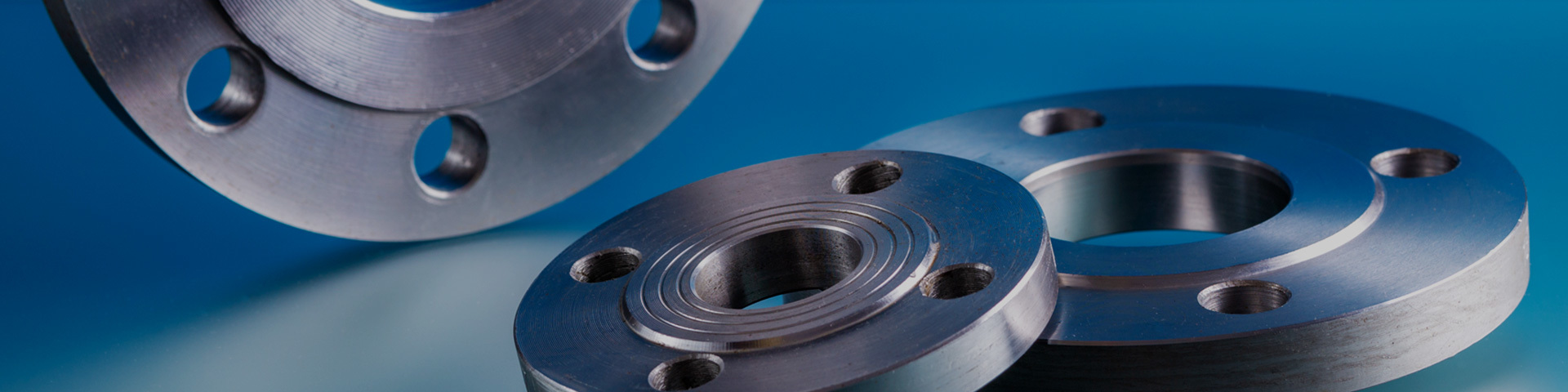
How do you fit a flange to a pipe?
Date:
2025-01-24
Fitting a flange to a pipe involves several steps to ensure a secure and leak-free connection. The process can vary depending on the type of flange (weld neck, slip-on, socket weld, threaded, etc.) and the material of the pipe. Here's a general guide for fitting a flange to a pipe:
Materials and Tools Needed
- Flange
- Pipe
- Gasket
- Bolts, nuts, and washers
- Welding equipment (for weld neck, slip-on, and socket weld flanges)
- Thread sealant or tape (for threaded flanges)
- Cutting and deburring tools
- Measuring tools
- Personal protective equipment (PPE)
Steps for Fitting a Flange
1. Prepare the Pipe: Ensure the end of the pipe is clean, free from burrs, and cut square. Measure and mark the position of the flange on the pipe if necessary.
2. Slip-on or Weld Neck Flange:
- For a slip-on flange, slide the flange onto the pipe until it reaches the desired position.
- For a weld neck flange, ensure the flange is aligned with the pipe end, and then weld it in place around the entire circumference of the pipe and the flange's neck.
3. Socket Weld Flange:
- Slip the pipe into the socket of the socket weld flange.
- Weld around the circumference of the socket and the pipe end to secure the flange.
4. Threaded Flange:
- Clean the male threads on the pipe.
- Apply thread sealant or tape to the threads.
- Screw the threaded flange onto the pipe until hand tight, then use a wrench to tighten it further.
5. Gasket Installation:
- Place the gasket on the raised face of the flange.
- Ensure the gasket is clean and in good condition to prevent leakage.
6. Bolting Up:
- Assemble the bolts, nuts, and washers.
- Place bolts through the bolt holes of the flanges.
- Hand-tighten the nuts to draw the flanges together, compressing the gasket.
- Use a torque wrench to tighten the bolts to the specified torque value, typically in a criss-cross pattern to ensure even pressure on the gasket.
7. Inspection:
- After fitting, inspect the flange-to-pipe connection for any signs of leakage or misalignment.
- Check that all bolts are tightened to the correct torque and that the gasket is properly seated.
Safety Precautions
- Always wear appropriate PPE, including safety glasses, gloves, and protective clothing.
- Ensure proper ventilation when welding or using sealants.
- Follow all local codes and standards for welding and flange installation.
- If working with high-pressure systems, ensure the system is depressurized before beginning work.
By following these steps, a flange can be fitted securely to a pipe, creating a connection that can withstand the intended operating pressures and temperatures of the piping system.

Key Words:
Previous:
Related News

PROFESSIONAL MANUFACTURER OF
FLANGES AND PIPE FITTINGS
Sanshi (Hebei) Industry Co., Ltd
Address: Cangzhou Mengcun Hui Autonomous County Hope New Area, Hebei province
Mail: wendy@sanshifitting.com


Copyright © 2023 Sanshi (Hebei) Industrial Co., Ltd