
The Essential Guide to Installing JIS B2220 Slip-on Welding Flanges
Date:
2025-11-18
The Essential Guide to Installing JIS B2220 Slip-on Welding Flanges Installing JIS B2220 Slip-on Welding Flanges is crucial for ensuring the integrity and durability of piping systems. With an increasing demand for high-quality construction and installation methods, understanding the specifics of these flanges is essential for professionals in the industry. This guide aims to provide a thorough un
The Essential Guide to Installing JIS B2220 Slip-on Welding Flanges
Installing JIS B2220 Slip-on Welding Flanges is crucial for ensuring the integrity and durability of piping systems. With an increasing demand for high-quality construction and installation methods, understanding the specifics of these flanges is essential for professionals in the industry. This guide aims to provide a thorough understanding of the installation process, addressing common challenges, and offering expert tips to achieve successful outcomes.
Table of Contents
- 1. Introduction to JIS B2220 Slip-on Welding Flanges
- 2. Understanding Flanges: Types and Applications
- 3. The JIS B2220 Standard: What You Need to Know
- 4. Preparation for Installation of JIS B2220 Slip-on Welding Flanges
- 5. Step-by-Step Installation Process
- 6. Common Mistakes to Avoid During Installation
- 7. Maintenance and Care for Long-lasting Performance
- 8. Conclusion
- 9. Frequently Asked Questions
1. Introduction to JIS B2220 Slip-on Welding Flanges
JIS B2220 Slip-on Welding Flanges are integral components in piping systems, primarily used in construction and industrial applications. Their design allows for easy alignment and welding, making them a preferred choice among engineers and construction professionals. These flanges are particularly popular in Japan, where the JIS (Japanese Industrial Standards) outlines strict guidelines for their manufacturing and application.
2. Understanding Flanges: Types and Applications
Flanges come in various types, each serving specific functions in piping systems. Here’s a brief overview of common flange types related to JIS B2220:
2.1. Slip-on Flanges
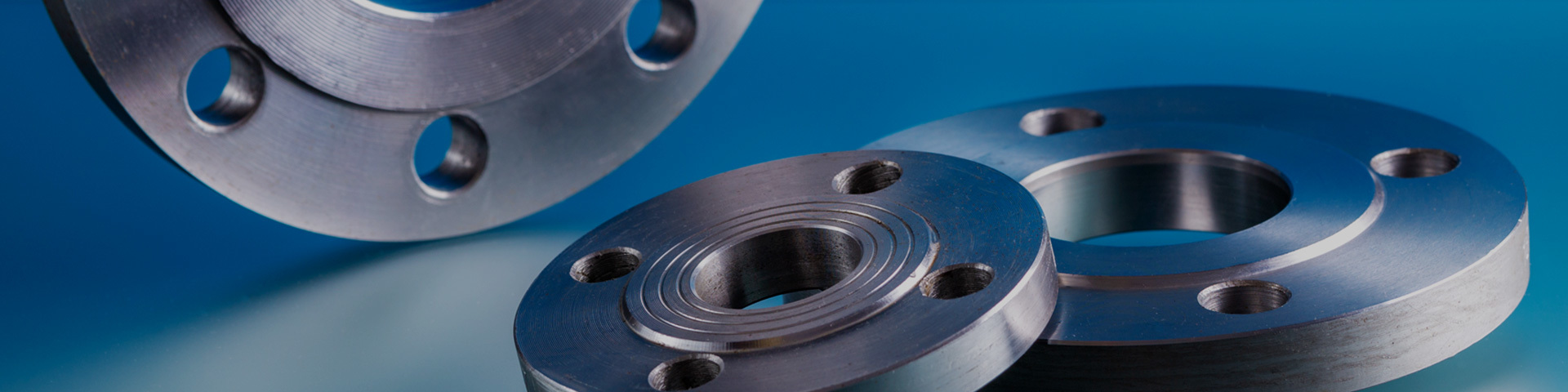
Slip-on flanges are designed to slip over the pipe, allowing for easier alignment and welding. They are widely used in low-pressure applications, making them a common choice for various industries.
2.2. Weld Neck Flanges
Weld neck flanges feature a long tapered neck that allows for a stronger weld joint, making them ideal for high-pressure applications.
2.3. Blind Flanges
Blind flanges are used to close the end of a piping system, providing a strong seal where no connection is needed.
2.4. Threaded Flanges
These flanges have internal threads that allow them to be screwed onto the pipe, making them suitable for applications where welding is not feasible.
3. The JIS B2220 Standard: What You Need to Know
The JIS B2220 standard specifies the dimensions, material grades, and testing methods for slip-on welding flanges. Key points include:
3.1. Material Grades
Flanges manufactured under the JIS B2220 standard are typically available in various materials, including carbon steel, stainless steel, and alloy steel. The choice of material can significantly affect the flange's performance and application.
3.2. Dimension Specifications
Understanding the dimension specifications laid out in the standard is critical for ensuring compatibility with existing piping systems. The JIS B2220 standard outlines various sizes and thicknesses, enabling precise fits during installation.
3.3. Testing Requirements
To ensure quality and performance, flanges must undergo rigorous testing, including hydrostatic tests and visual inspections, as specified by the JIS B2220 standards.
4. Preparation for Installation of JIS B2220 Slip-on Welding Flanges
Proper preparation is essential for a successful installation. The following steps should be followed:
4.1. Gather Necessary Tools and Materials
Before beginning the installation, gather all necessary tools, including welding equipment, measuring tools, and safety gear. Ensure you have the correct size JIS B2220 slip-on flanges and accompanying gaskets.
4.2. Inspect the Flanges and Pipes
Before installation, thoroughly inspect the flanges and pipes for any signs of damage or wear. Ensure that the surfaces are clean and free from contaminants.
4.3. Calculate Measurements
Accurate measurements are crucial for successful alignment and fitting. Use precise measuring tools to ensure that the flanges will fit correctly on the pipe.
5. Step-by-Step Installation Process
Following a systematic installation process ensures optimal results. Here’s a detailed breakdown of the steps involved in installing JIS B2220 Slip-on Welding Flanges:
5.1. Align the Flange with the Pipe
Carefully place the slip-on flange over the pipe, ensuring that it is centered and aligned properly. Misalignment can lead to weak welds and potential leaks.
5.2. Tack Weld the Flange
Once aligned, tack weld the flange to the pipe. This small, temporary weld holds the flange in place while you complete the final weld. Ensure the tacks are secure to prevent movement.
5.3. Complete the Weld
After the flange is tacked, proceed with the final weld around the flange’s circumference. Use appropriate welding techniques and ensure that the weld is even and consistent.
5.4. Inspect and Clean the Weld
After welding, inspect the joint for any defects or inconsistencies. Clean the weld area to remove any slag or impurities, ensuring a smooth finish.
6. Common Mistakes to Avoid During Installation
Understanding potential pitfalls can help you avoid costly mistakes during installation:
6.1. Inadequate Preparation
Failing to prepare adequately can result in misalignment and poor weld quality. Always ensure proper alignment and cleanliness before beginning the welding process.
6.2. Incorrect Material Selection
Using the wrong material for flanges can lead to structural failures. Always select materials that meet the JIS B2220 specifications relevant to your application.
6.3. Neglecting Safety Protocols
Safety should always be a priority. Ensure all personnel are wearing appropriate safety gear and following proper safety protocols during the installation process.
7. Maintenance and Care for Long-lasting Performance
Proper maintenance extends the lifespan of installed JIS B2220 Slip-on Welding Flanges. Here are key maintenance practices:
7.1. Regular Inspections
Conduct regular inspections to identify any signs of wear, corrosion, or leaks. Early detection can prevent more significant issues down the road.
7.2. Cleaning
Keep the flange surfaces clean to avoid buildup of debris and corrosive materials. Use appropriate cleaning solutions that do not harm the flange material.
7.3. Timely Repairs
If any issues are detected during inspections, address them immediately. Timely repairs can prevent further damage and ensure the integrity of the piping system.
8. Conclusion
Installing JIS B2220 Slip-on Welding Flanges requires careful planning, precise execution, and ongoing maintenance to ensure long-term performance. By understanding the standards, following the correct installation procedures, and avoiding common mistakes, professionals can achieve successful outcomes in their projects. As the demand for reliable and durable piping systems continues to grow, the importance of mastering these installation techniques becomes increasingly clear.
9. Frequently Asked Questions
9.1. What materials are JIS B2220 Slip-on Welding Flanges made from?
JIS B2220 Slip-on Welding Flanges are typically made from carbon steel, stainless steel, and alloy steel, depending on the application requirements.
9.2. How do I ensure proper alignment during installation?
Use precise measuring tools to align the flange with the pipe. Tack welding can help hold the flange in place while completing the final weld.
9.3. What are the common applications for JIS B2220 Slip-on Welding Flanges?
These flanges are commonly used in low-pressure piping systems across various industries, including water supply, oil and gas, and HVAC systems.
9.4. Can I use JIS B2220 flanges in high-pressure applications?
While JIS B2220 Slip-on Welding Flanges are suitable for low-pressure applications, other flange types like Weld Neck Flanges are recommended for high-pressure situations.
9.5. What maintenance is required after installation?
Regular inspections, cleaning, and timely repairs are essential for maintaining the integrity and performance of installed JIS B2220 Slip-on Welding Flanges.
Key Words:
Related News

PROFESSIONAL MANUFACTURER OF
FLANGES AND PIPE FITTINGS
Sanshi (Hebei) Industry Co., Ltd
Address: Cangzhou Mengcun Hui Autonomous County Hope New Area, Hebei province
Mail: wendy@sanshifitting.com


Copyright © 2023 Sanshi (Hebei) Industrial Co., Ltd