
The Critical Importance of ANSI B16.5 BL Flanges in Upholding Safety Standards in Construction and Decoration
Date:
2025-09-23
The Critical Importance of ANSI B16.5 BL Flanges in Upholding Safety Standards in Construction and Decoration Table of Contents 1. Introduction to ANSI B16.5 BL Flanges 2. Understanding Safety Standards in Construction 3. ANSI B16.5 BL Flanges Specifications 4. Applications of ANSI B16.5 BL Flanges 5. Benefits of Using ANSI B16.5 BL Flanges 6. Ensuring System Integrity wit
The Critical Importance of ANSI B16.5 BL Flanges in Upholding Safety Standards in Construction and Decoration
Table of Contents
- 1. Introduction to ANSI B16.5 BL Flanges
- 2. Understanding Safety Standards in Construction
- 3. ANSI B16.5 BL Flanges Specifications
- 4. Applications of ANSI B16.5 BL Flanges
- 5. Benefits of Using ANSI B16.5 BL Flanges
- 6. Ensuring System Integrity with ANSI B16.5 BL Flanges
- 7. Compliance with Industry Regulations
- 8. Frequently Asked Questions (FAQs)
- 9. Conclusion
1. Introduction to ANSI B16.5 BL Flanges
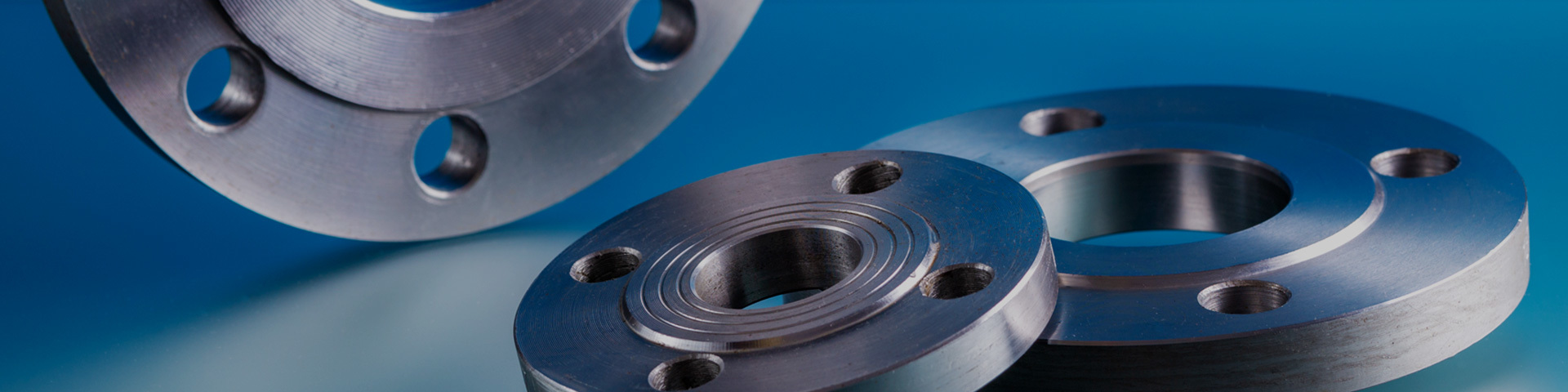
The ANSI B16.5 BL flanges are crucial components in piping systems, serving as the connection points between pipes, valves, and other equipment. These flanges adhere to the American National Standards Institute (ANSI) specifications, ensuring they meet industry requirements for quality, durability, and safety. Their design and manufacturing processes are meticulously crafted to support various applications in the construction and decorative materials sector.
In an industry where safety cannot be compromised, understanding the role of ANSI B16.5 BL flanges is paramount. These flanges play an essential part in preventing leaks, managing pressure, and ensuring that systems operate smoothly without failures that could lead to catastrophic incidents.
2. Understanding Safety Standards in Construction
Safety standards in construction are designed to protect workers, the public, and the environment. Regulatory bodies set forth guidelines and requirements to ensure that materials, products, and practices adhere to safety norms. ANSI B16.5 BL flanges are a vital part of this framework, as they must meet specific criteria to be considered safe for use.
When it comes to piping systems, flanges must withstand high pressures and temperatures, resist corrosion, and maintain structural integrity over time. These standards exist to minimize risks associated with leaks, ruptures, or other failures that could harm personnel or damage property. By utilizing ANSI B16.5 BL flanges, companies can align their operations with these safety standards, fostering a culture of safety and compliance.
3. ANSI B16.5 BL Flanges Specifications
ANSI B16.5 flanges come in various dimensions, pressure ratings, and material grades. These specifications include:
- **Sizes**: Ranging from ½ inch to 24 inches in diameter, accommodating a wide range of piping systems.
- **Pressure Ratings**: Available in classes 150, 300, 400, 600, 900, 1500, and 2500, providing options for different pressure requirements.
- **Material Grades**: Common materials include carbon steel, stainless steel, and alloy steel, each offering distinct advantages based on the application environment.
The specifications ensure that each flange can perform under the required conditions, contributing to system reliability and safety.
4. Applications of ANSI B16.5 BL Flanges
ANSI B16.5 BL flanges find their applications across various sectors, including:
- **Oil and Gas Industry**: Used extensively in pipelines and refineries, where high pressure and temperature conditions prevail.
- **Chemical Processing**: Employed in systems that handle corrosive chemicals, ensuring secure connections to prevent leaks.
- **Water Supply Systems**: Integral in municipal water distribution networks, where safety and reliability are paramount to public health.
- **HVAC Systems**: Utilized in heating, ventilation, and air conditioning systems, ensuring fluid and air movement without losses.
These diverse applications underline the versatility and importance of ANSI B16.5 BL flanges in ensuring safety and efficiency across industries.
5. Benefits of Using ANSI B16.5 BL Flanges
The advantages of incorporating ANSI B16.5 BL flanges in your systems are multifaceted:
- **Enhanced Safety**: By adhering to ANSI standards, these flanges minimize the risk of leaks and ruptures.
- **Durability**: Constructed from high-quality materials, they offer long-term performance even in demanding conditions.
- **Cost-Effectiveness**: Their durability translates to lower maintenance and replacement costs over time.
- **Ease of Installation**: Designed for compatibility with various piping systems, they simplify the installation process, reducing downtime.
These benefits contribute to overall operational efficiency and safety, making ANSI B16.5 BL flanges a preferred choice in many industries.
6. Ensuring System Integrity with ANSI B16.5 BL Flanges
System integrity is a critical aspect of any construction project. ANSI B16.5 BL flanges play a pivotal role in maintaining this integrity by providing robust connections that can handle the stresses of operational conditions. Properly installed flanges not only ensure that the system functions optimally but also prevent failures that can lead to costly downtimes or safety hazards.
Routine inspections and maintenance of flanged connections are necessary to ensure continued performance. Over time, factors such as vibration, thermal expansion, and pressure fluctuations can impact the integrity of the connections. By utilizing ANSI B16.5 BL flanges, companies can mitigate these risks and ensure that their systems remain safe and reliable.
7. Compliance with Industry Regulations
Adhering to industry regulations is vital for any construction and decorative materials company. Using ANSI B16.5 BL flanges ensures compliance with the standards set forth by organizations such as the American Society of Mechanical Engineers (ASME) and the American National Standards Institute (ANSI). Compliance not only fosters a culture of safety but also positions companies favorably in the eyes of regulatory bodies and clients.
Failure to comply with safety standards can result in severe penalties, legal challenges, and reputational damage. By choosing ANSI B16.5 BL flanges, companies demonstrate their commitment to adhering to necessary regulations, ultimately enhancing their credibility and marketability.
8. Frequently Asked Questions (FAQs)
What are ANSI B16.5 BL flanges made of?
ANSI B16.5 BL flanges can be made from various materials, including carbon steel, stainless steel, and alloy steel, each chosen based on the application's specific requirements.
How do I determine the correct size of ANSI B16.5 BL flange for my project?
To determine the correct size, consider the diameter of the pipes and the pressure rating required for your system. Consult the ANSI B16.5 specifications for detailed sizing options.
Are ANSI B16.5 BL flanges resistant to corrosion?
Yes, ANSI B16.5 BL flanges made from stainless steel or other corrosion-resistant materials can withstand corrosive environments, making them suitable for various applications.
What is the difference between ANSI and ASME flange standards?
While both ANSI and ASME standards aim to ensure quality and safety, ANSI is focused more on establishing guidelines, while ASME provides detailed specifications for design and materials.
How can I ensure the proper installation of ANSI B16.5 BL flanges?
Proper installation involves following the manufacturer's guidelines, ensuring that the flange faces are clean, and using the correct torque specifications when tightening bolts.
9. Conclusion
In conclusion, ANSI B16.5 BL flanges are indispensable components in the construction and decorative materials industry, playing a critical role in upholding safety standards. Their robust specifications, diverse applications, and numerous benefits make them a vital choice for maintaining system integrity and compliance with industry regulations. By opting for ANSI B16.5 BL flanges, companies not only ensure operational efficiency but also prioritize safety in their projects. Investing in high-quality flanges is an investment in the safety and reliability of your piping systems.
Key Words:
Related News

PROFESSIONAL MANUFACTURER OF
FLANGES AND PIPE FITTINGS
Sanshi (Hebei) Industry Co., Ltd
Address: Cangzhou Mengcun Hui Autonomous County Hope New Area, Hebei province
Mail: wendy@sanshifitting.com


Copyright © 2023 Sanshi (Hebei) Industrial Co., Ltd