
Applications of Pipe Fittings in Various Industries
Date:
2024-11-13
The applications of pipe fittings in various industries underscore their importance in facilitating the safe and efficient transfer of fluids, gases, and other materials. Here's a more detailed exploration of the specific roles pipe fittings play in each industry, along with the materials and standards often associated with them:
1. Oil & Gas Industry
- Elbows, Tees, Reducers: These are used to navigate around obstacles, connect different sections of pipelines, and adjust flow directions.
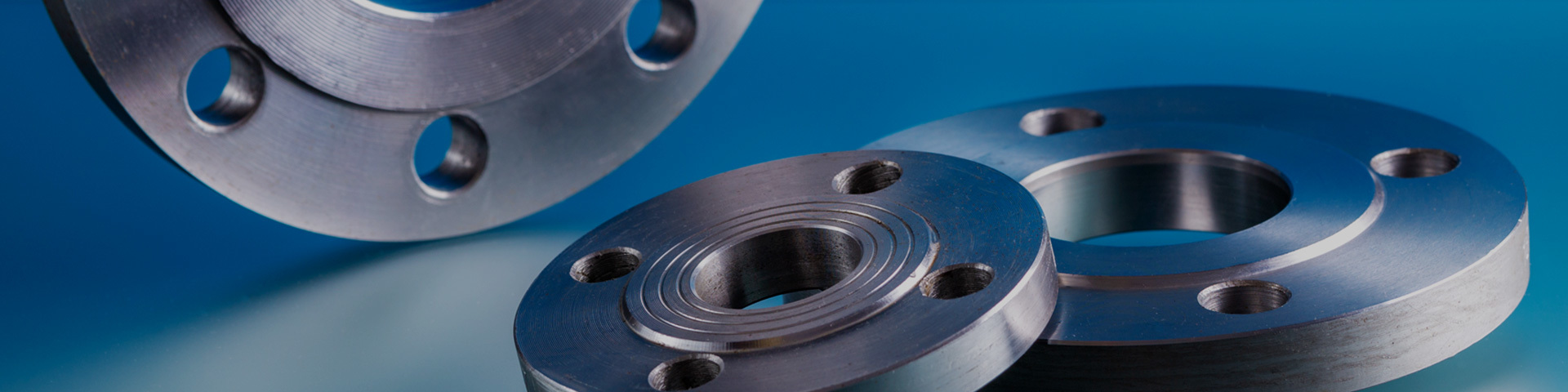
- Flanges: Essential for connecting equipment and pipelines, flanges are often required to meet API (American Petroleum Institute) standards for durability and leak resistance.
- Gaskets: Specialized gaskets are used to ensure a tight seal in high-pressure and high-temperature environments.
- Materials: Carbon steel and alloy steel are commonly used for their ability to withstand harsh conditions and are often lined with materials like PTFE (Teflon) to handle corrosive substances.
- Standards: ASME (American Society of Mechanical Engineers) and API (American Petroleum Institute) standards are critical for safety and reliability.
2. Water Treatment and Distribution
- Couplings, Valves, and Flanges: These are used for the connection of pipes, regulation of flow, and maintenance access.
- Expansion Joints: Help to accommodate thermal expansion and contraction in the piping system, which is crucial in water distribution networks.
- Materials: Stainless steel, copper, and various plastics (PVC, CPVC, HDPE) are popular due to their resistance to corrosion and environmental conditions.
- Standards: ASME and NSF (National Sanitation Foundation) standards ensure the safety of potable water systems.
3. HVAC (Heating, Ventilation, and Air Conditioning)
- Elbows, Tees, Reducers, and Valves: These are used to direct air and fluids through the system, regulate temperatures, and allow for system adjustments.
- Flexible Hoses and Couplings: Allow for movement of the system components and help to absorb vibrations.
- Materials: Copper and plastic are preferred for their thermal conductivity and ease of installation. Copper is also used for its high strength and resistance to corrosion.
- Standards: UL (Underwriters Laboratories) and ANSI (American National Standards Institute) standards are often followed for safety and performance.
4. Construction and Infrastructure
- Flanges, Reducers, and Elbows: These fittings are used to create connections that adapt to different pipe sizes and directions, which is essential in the complex layouts of buildings and infrastructure.
- Joints and Adapters: Allow for the expansion and contraction of pipes, which is important in construction to accommodate temperature changes.
- Materials: Carbon steel, stainless steel, and plastic (such as CPVC and HDPE) are used for their durability and resistance to corrosion. In fire protection systems, materials like galvanized steel are used due to their ability to withstand high temperatures.
- Standards: International Building Code (IBC) and American Water Works Association (AWWA) standards guide the use of fittings in construction and water systems.
5. Chemical Processing
- Flanges, Tees, and Gaskets: These fittings are critical for joining components and managing the flow of chemicals, often under high pressure and temperature.
- Specialized Valves: Such as ball valves and butterfly valves, which are used to control the flow of corrosive and hazardous materials.
- Materials: Stainless steel, alloy steel, and plastics like PVDF and PTFE are used for their resistance to the chemicals and conditions encountered.
- Standards: ASTM (American Society for Testing and Materials) and ANSI standards are vital for ensuring the compatibility and safety of fittings in chemical processing.
In all these industries, the choice of pipe fittings is not only a matter of material properties but also an engineering decision that balance safety, efficiency, and cost. Compliance with the appropriate industry standards is paramount to ensure that the piping systems are reliable, secure, and capable of meeting the demands of their respective environments.

Key Words:
Related News

PROFESSIONAL MANUFACTURER OF
FLANGES AND PIPE FITTINGS
Sanshi (Hebei) Industry Co., Ltd
Address: Cangzhou Mengcun Hui Autonomous County Hope New Area, Hebei province
Mail: wendy@sanshifitting.com


Copyright © 2023 Sanshi (Hebei) Industrial Co., Ltd