
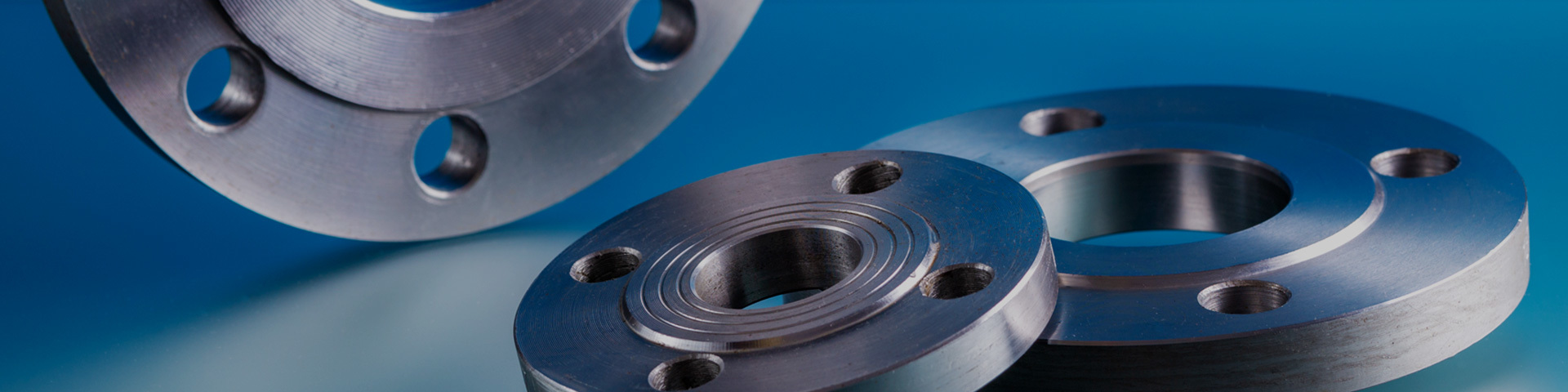
Alloy steel fittings are a cornerstone of industrial
Date:
2024-11-03
applications that require the ability to withstand extreme temperature conditions. The unique combination of alloying elements and their subsequent processing into heat-resistant materials makes these fittings ideal for high-temperature environments. Here's a more detailed look at the critical aspects of alloy steel fittings for high-temperature applications:
### Composition of Heat-Resistant Alloy Steels
**Key Elements**:
- **Chromium (Cr)**: Chromium is a primary alloying element in stainless steels, which provides excellent corrosion resistance at high temperatures and promotes the formation of an oxide layer that protects against oxidation.
- **Molybdenum (Mo)**: Molybdenum increases the strength of steel at elevated temperatures and improves resistance to pitting and crevice corrosion. It also contributes to creep resistance.
- **Nickel (Ni)**: Nickel enhances the toughness and strength of steel at high temperatures, particularly in reducing the embrittlement that can occur with chromium content.
- **Vanadium (V)**: Vanadium can increase the strength of steel, especially in high-temperature service, and also improves hardenability and wear resistance.
- **Tungsten (W)**: Tungsten improves high-temperature strength and creep resistance, making it valuable in steels designed for very high-temperature applications.
**Carbides and Solid Solutions**:
- **Carbides**: Elements like tungsten, molybdenum, and chromium can form carbides that are stable at high temperatures, providing strength and wear resistance.
- **Solid Solutions**: Elements like nickel and manganese can form solid solutions that enhance the alloy's mechanical properties and improve its ability to resist creep and maintain its strength at elevated temperatures.
### Common Grades of Heat-Resistant Alloy Steels
**P11 and P22**:
- **P11 and P22 are chrome-molybdenum alloy steels** that are known for their resistance to high temperatures and are widely used in boilers, pressure vessels, and piping in the power generation industry.
**F91**:
- **F91 is a high-grade alloy steel** containing chromium, molybdenum, and vanadium. It is used in steam piping and other high-temperature applications where its excellent strength and durability at elevated temperatures are required.
**Stainless Steel 310 and 321**:
- **310 stainless steel** is highly resistant to oxidation and scaling at temperatures up to 1100°C and is used in furnaces and reactors.
- **321 stainless steel**, with added titanium, is used in applications where intergranular corrosion resistance at high temperatures is necessary.
### Applications in High-Temperature Industries
**Power Generation**:
- **Boilers**, **superheaters**, **heat exchangers**, and **steam turbines** in thermal power plants require fittings that can withstand the high temperatures and pressure fluctuations associated with steam generation.
**Petrochemical Industry**:
- **Reactors**, **furnaces**, and **distillation units** in refineries and chemical processing facilities are subjected to high temperatures and corrosive chemicals, necessitating the use of heat-resistant alloy steel fittings.
**Aerospace**:
- **Jet engines** and **turbine components** are exposed to extreme temperatures and mechanical stress, making alloy steel fittings essential for maintaining structural integrity and performance.
### Heat Resistance Mechanisms
**Creep Resistance**:
- Creep is the tendency of materials to deform under constant stress at high temperatures. Alloy steels with molybdenum and tungsten have enhanced creep resistance, allowing them to maintain their shape and structural integrity.
**Oxidation and Scaling Resistance**:
- Chromium forms a protective oxide layer on the surface of the steel, preventing further oxidation and scaling at high temperatures.
**Thermal Stability**:
- Nickel and chromium stabilize the microstructure of alloy steels, preventing grain coarsening and maintaining the material's mechanical properties at elevated temperatures.
### Heat Treatment for Enhanced Properties
**Heat Treatments**:
- **Annealing**, **quenching**, and **tempering** are used to refine the microstructure and enhance the alloy's strength and creep resistance at high temperatures.
### Challenges and Best Practices in Usage
**Challenges**:
- **Thermal Fatigue**: Repeated heating and cooling cycles can lead to fatigue cracks in the fittings.
- **Corrosion**: Even heat-resistant alloys can suffer from corrosion in aggressive environments.
**Best Practices**:
- **Insulation and Coatings**: Proper insulation and protective coatings can reduce heat loss and protect against oxidation.
- **Maintenance and Inspection**: Regular maintenance and inspection can help identify and address potential issues before they lead to failure.
In conclusion, alloy steel fittings are engineered to excel in high-temperature environments, offering durability, strength, and resistance to corrosion. Their use is crucial in industries where safety and performance at high temperatures are non-negotiable, ensuring the reliable operation of critical systems in power generation, petrochemicals, refining, and aerospace.
Key Words:
Related News

PROFESSIONAL MANUFACTURER OF
FLANGES AND PIPE FITTINGS
Sanshi (Hebei) Industry Co., Ltd
Address: Cangzhou Mengcun Hui Autonomous County Hope New Area, Hebei province
Mail: wendy@sanshifitting.com


Copyright © 2023 Sanshi (Hebei) Industrial Co., Ltd