
Transporting the Future with Pipe and Fittings
Date:
2024-09-19
The pipeline industry is a vital part of modern infrastructure, transporting a wide range of liquids, gases, and slurries across long distances. From oil and gas to water and wastewater, pipelines are the backbone of many economies. At the heart of this industry are pipe and fittings, which play a crucial role in ensuring the safe and efficient transportation of fluids. In this article, we will explore the pipeline industry, its history, and the various types of pipe and fittings used in this field.
History of the Pipeline Industry:
The use of pipelines dates back to ancient times, with the earliest known pipeline being constructed in the 6th century BC in ancient Persia. However, it wasn't until the mid-19th century that pipelines became a common means of transporting goods over long distances. The development of the pipeline industry was spurred by the discovery of oil in the United States in the late 19th century, and it has since grown to become a global industry worth billions of dollars.
Types of Pipe and Fittings:
The pipeline industry uses a variety of pipe and fittings to transport fluids. Some of the most common types of pipe include:
1. Schedule 40 Pipe: This is the most commonly used pipe in the pipeline industry, with a wall thickness of 0.48mm. It is suitable for transporting liquids and gases, and is available in a range of sizes.
2. Schedule 80 Pipe: This pipe has a wall thickness of 1.06mm and is used for high-pressure applications, such as transporting natural gas.
3. HDPE Pipe: High-density polyethylene (HDPE) pipe is a popular choice for transporting water and wastewater. It is resistant to corrosion and has a long lifespan.
4. PVC Pipe: Polyvinyl chloride (PVC) pipe is another popular choice for transporting water and wastewater. It is flexible and can be used in a variety of applications.
Fittings are used to connect pipes and are available in a range of materials, including:
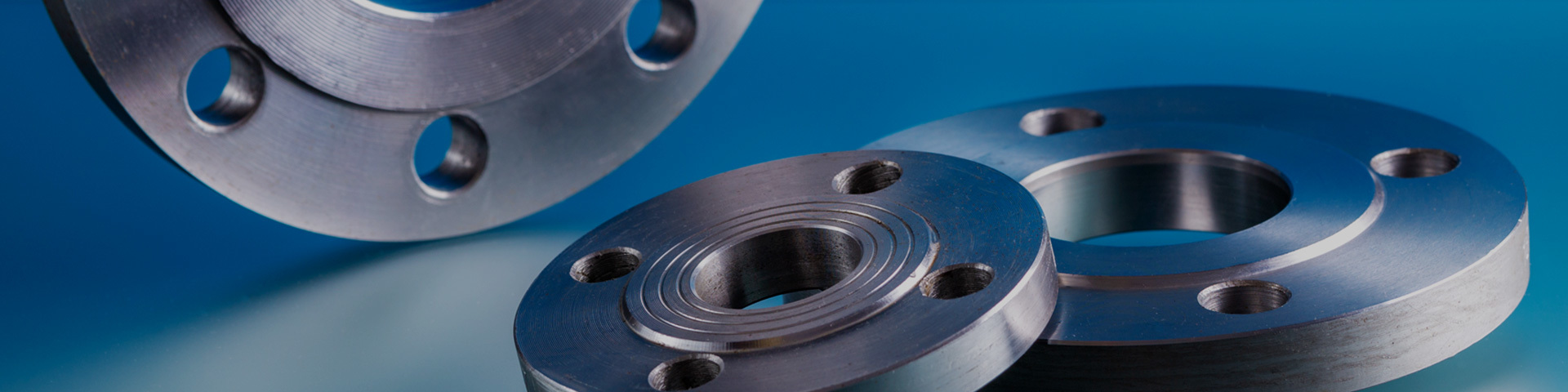
1. Flange Fittings: These are used to connect two pipes and are available in a range of sizes.
2. Butt Fittings: These are used to connect two pipes end-to-end and are available in a range of sizes.
3. Elbow Fittings: These are used to change the direction of a pipeline and are available in a range of angles.
4. Tee Fittings: These are used to connect three pipes and are available in a range of sizes.
Benefits of Pipe and Fittings:
The use of pipe and fittings in the pipeline industry has several benefits, including:
1. Safety: Pipe and fittings are designed to be safe and durable, ensuring that fluids are transported efficiently and safely.
2. Efficiency: Pipe and fittings are designed to reduce friction and pressure loss, ensuring that fluids are transported efficiently.
3. Cost-Effectiveness: Pipe and fittings are a cost-effective means of transporting fluids, as they can be reused and repurposed.
4. Long Lifespan: Pipe and fittings have a long lifespan, reducing the need for frequent replacement.
Conclusion:
The pipeline industry is a vital part of modern infrastructure, transporting a wide range of liquids, gases, and slurries across long distances. Pipe and fittings play a crucial role in ensuring the safe and efficient transportation of fluids, and the industry is expected to continue to grow in the coming years. Whether you're transporting oil and gas, water and wastewater, or something else, pipe and fittings are the perfect solution for your pipeline needs.

Key Words:
Previous:
Next:
Related News

PROFESSIONAL MANUFACTURER OF
FLANGES AND PIPE FITTINGS
Sanshi (Hebei) Industry Co., Ltd
Address: Cangzhou Mengcun Hui Autonomous County Hope New Area, Hebei province
Mail: wendy@sanshifitting.com


Copyright © 2023 Sanshi (Hebei) Industrial Co., Ltd