
The Essential Role of Steel Pipe Fittings in the Petroleum and Natural Gas Industry
Date:
2024-08-15
The petroleum and natural gas industry heavily relies on the use of steel pipes and their fittings to transport fluids efficiently and safely. Steel pipe fittings play a crucial role in connecting and securing steel pipes, ensuring seamless and durable fluid conveyance. In this article, we will explore the significance of steel pipe fittings, the materials used in their production, and how they contribute to the industry's success.
The Significance of Steel Pipe Fittings:
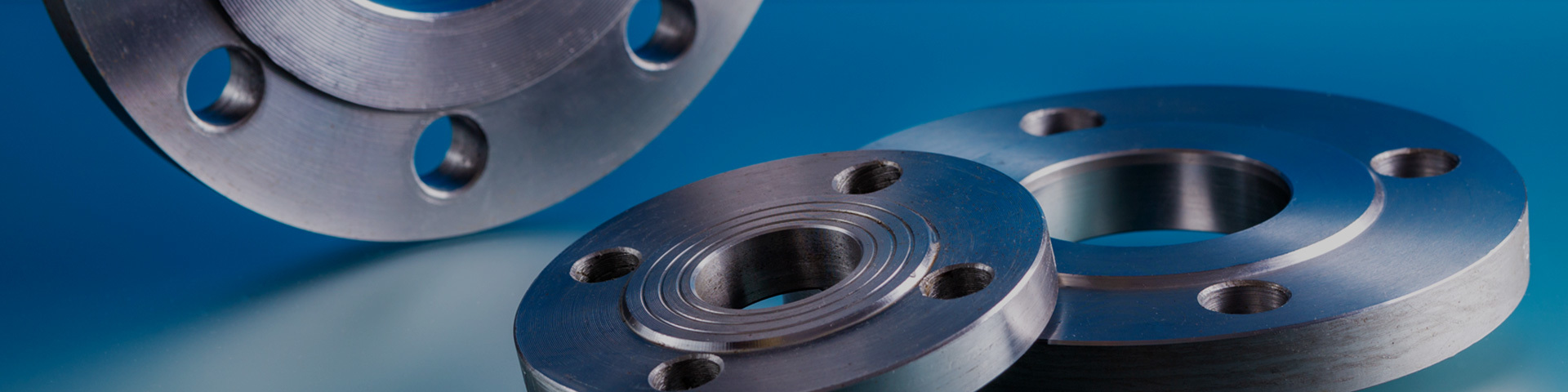
Steel pipe fittings serve as connectors, reducers, elbows, tees, and crosses, among other functions, in piping systems. They are designed to join steel pipes together, allowing for the creation of a continuous pipeline network. These fittings are available in various sizes, shapes, and materials to accommodate the specific requirements of different industries, including the petroleum and natural gas industry.
Materials Used in Steel Pipe Fittings:
Steel pipe fittings are primarily made from carbon steel, stainless steel, and alloy steel. Carbon steel fittings are commonly in the petroleum and natural gas industry due to their excellent durability and resistance to corrosion. Stainless steel fittings are preferred for applications that require highlevel corrosion resistance, while alloy steel fittings offer a combination of strength and resistance to temperature variations.
The Role of Steel Pipe Manufacturers:
Steel pipe manufacturers play a vital role in providing high-quality steel pipes and fittings to the petroleum and natural gas industry. These manufacturers use advanced technology and expertise to produce steel pipes that meet industry standards and regulations. They also ensure that the steel pipe fittings are designed and manufactured to precise specifications, ensuring their reliability and performance in challenging environments.
The Importance of Industrial Pipes:
Industrial pipes are essential components in the petroleum and natural gas industry, as they are used to transport fluids such as crude oil, natural gas, and water. Steel pipes are the preferred choice for industrial applications due to their high strength, durability, and resistance to pressure and temperature variations. The use of steel pipes ensures efficient and safe fluid conveyance, minimizing the risk of leaks, fractures, or other failures.
In conclusion, the petroleum and natural gas industry heavily relies on the use of steel pipe fittings to ensure efficient and safe fluid conveyance. Steel pipe fittings, manufactured by expert companies, are crucial components that connect and secure steel pipes, allowing for the creation of a seamless and durable pipeline network. The industry's success is greatly dependent on the availability of high-quality steel pipes and fittings, which are designed to withstand the challenging conditions encountered in petroleum and natural gas operations.

Key Words:
Related News

PROFESSIONAL MANUFACTURER OF
FLANGES AND PIPE FITTINGS
Sanshi (Hebei) Industry Co., Ltd
Address: Cangzhou Mengcun Hui Autonomous County Hope New Area, Hebei province
Mail: wendy@sanshifitting.com


Copyright © 2023 Sanshi (Hebei) Industrial Co., Ltd