
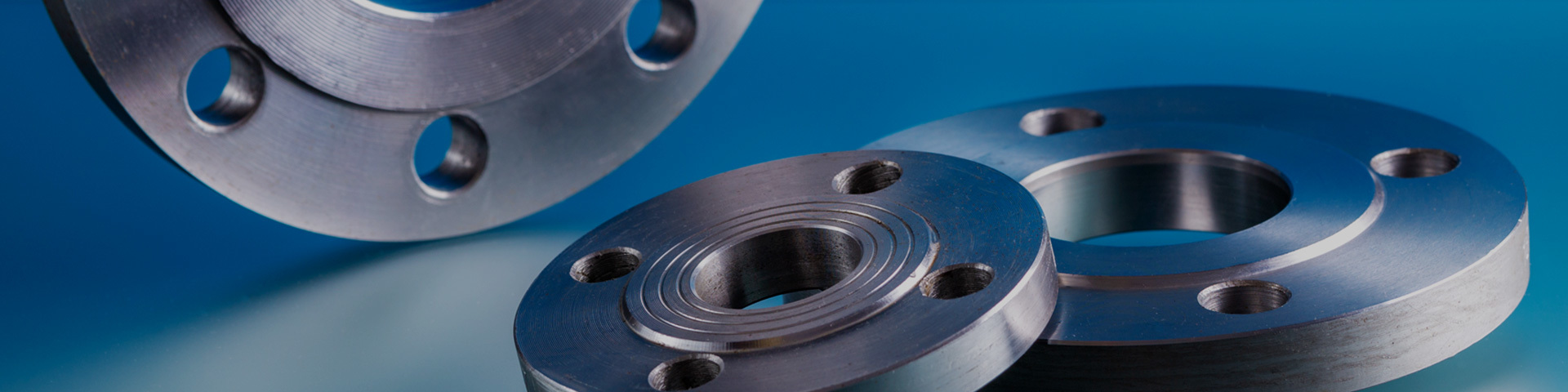
Innovative Applications of ANSI B16.5 WN Flanges in Architectural Designs
Date:
2025-12-16
Innovative Applications of ANSI B16.5 WN Flanges in Architectural Designs Table of Contents Introduction to ANSI B16.5 WN Flanges The Importance of Flanges in Architecture Design Potential of ANSI B16.5 WN Flanges Aesthetic Integration in Modern Architecture Functional Innovations in Building Projects Real-World Applications: Case Studies
Innovative Applications of ANSI B16.5 WN Flanges in Architectural Designs
Table of Contents
- Introduction to ANSI B16.5 WN Flanges
- The Importance of Flanges in Architecture
- Design Potential of ANSI B16.5 WN Flanges
- Real-World Applications: Case Studies
- Future Trends in Architectural Design Using ANSI B16.5 WN Flanges
- Sustainability and Environmental Considerations
- Frequently Asked Questions
- Conclusion
Introduction to ANSI B16.5 WN Flanges
In the world of architectural design, the choice of materials plays a significant role in the overall functionality and aesthetic appeal of a structure. Among these materials, ANSI B16.5 WN (Weld Neck) flanges stand out as a crucial component in connecting piping systems and various structural elements. These flanges are not merely functional; they can also serve as a stunning design feature, contributing to the overall theme and integrity of modern architecture.
The Importance of Flanges in Architecture
Flanges, particularly ANSI B16.5 WN flanges, are essential in ensuring the structural integrity of piping systems and connections in architectural designs. Their use extends beyond traditional applications, making them vital for modern architectural innovations.
Structural Integrity
The primary function of flanges is to provide a secure connection between pipes, ensuring that structures can withstand various forces, pressures, and environmental conditions. ANSI B16.5 WN flanges are engineered to meet stringent standards, making them ideal for both industrial and architectural applications.
Versatility in Design
The integration of ANSI B16.5 WN flanges in architectural designs showcases versatility. Architects can use them in a myriad of ways, enabling creative freedom while maintaining structural soundness.
Design Potential of ANSI B16.5 WN Flanges
The design potential of ANSI B16.5 WN flanges is immense, opening up new avenues for creativity in architecture. By understanding their capabilities, architects can push the boundaries of conventional design.
Aesthetic Integration in Modern Architecture
Flanges can serve as design elements rather than just functional components. Their sleek profiles and robust structures can be incorporated into the visual language of a building. For instance, exposed flanges can contribute to an industrial or modern aesthetic, emphasizing material honesty and structural expression.
Creating Focal Points
When used strategically, ANSI B16.5 WN flanges can create focal points in a space. For example, they can be integrated into railings, lighting fixtures, or even as part of the building's facade, drawing attention and enhancing the overall design narrative.
Functional Innovations in Building Projects
Innovation in architecture often stems from the ability to blend functionality with style. ANSI B16.5 WN flanges provide opportunities for such innovation.
Enhancing Structural Systems
By incorporating flanges into the design of structural systems, architects can optimize load distribution and support, allowing for larger open spaces and more dynamic layouts. This is particularly relevant in contemporary designs that favor minimalism and spaciousness.
Facilitating Modular Construction
The use of ANSI B16.5 WN flanges supports modular construction techniques, allowing for prefabricated elements to be assembled on-site efficiently. This approach not only saves time and resources but also aligns with modern sustainability goals.
Real-World Applications: Case Studies
Exploring real-world applications of ANSI B16.5 WN flanges provides insight into their practical use in architectural projects.
Case Study 1: Urban High-Rise Development
In a recent urban high-rise development, ANSI B16.5 WN flanges were utilized in the building's frame as part of the curtain wall system. The design team chose visible flanges to highlight the industrial aesthetic while maintaining structural integrity against wind loads.
Case Study 2: Innovative Bridge Design
An innovative bridge project leveraged ANSI B16.5 WN flanges to connect prefabricated sections efficiently. The design not only met regulatory standards but also showcased the flanges as an integral part of the bridge's aesthetic, blending with the surrounding landscape.
Future Trends in Architectural Design Using ANSI B16.5 WN Flanges
The future of architectural design is rife with possibilities, especially with the continued integration of ANSI B16.5 WN flanges.
Smart Materials and Technologies
The advent of smart materials that respond to environmental changes is likely to influence how flanges are used in architecture. Integrating sensors into flanges could enhance structural monitoring and maintenance, ensuring longevity and safety.
Sustainable Building Practices
As sustainability becomes a core principle in architecture, ANSI B16.5 WN flanges can be considered for their recyclability and durability. Architects are likely to seek ways to incorporate these materials into green building projects, emphasizing eco-friendly construction practices.
Sustainability and Environmental Considerations
The architectural industry is increasingly focused on sustainability, and ANSI B16.5 WN flanges can play a vital role.
Recyclability
One of the significant advantages of ANSI B16.5 WN flanges is that they are made from materials that can be recycled at the end of their life cycle, reducing environmental impact.
Durability and Longevity
The durability of flanges ensures that structures remain safe and effective over time, minimizing the need for frequent replacement and repair. This long-term perspective aligns with sustainable building goals, promoting efficiency in both material use and construction practices.
Frequently Asked Questions
What are ANSI B16.5 WN flanges?
ANSI B16.5 WN flanges are weld neck flanges that conform to the ANSI B16.5 standard, used to connect pipes and other equipment in various applications.
How do flanges contribute to architectural design?
Flanges enhance both the structural integrity and aesthetic appeal of architectural projects. They can be incorporated as visible elements that contribute to the design's overall narrative.
What are the advantages of using ANSI B16.5 WN flanges?
These flanges offer high strength, durability, and the ability to withstand extreme pressures, making them ideal for various architectural applications.
Can flanges be used in sustainable construction?
Yes, ANSI B16.5 WN flanges can be part of a sustainable construction strategy due to their recyclability and longevity.
What are some innovative uses of flanges in architecture?
Flanges can be used as aesthetic features in railings, facades, and modular construction elements, showcasing their versatility in modern architectural design.
Conclusion
ANSI B16.5 WN flanges have transcended their traditional role in piping systems to become vital components in modern architectural design. Their unique combination of functional integrity and aesthetic potential opens up exciting possibilities for architects looking to innovate. As we move toward a future focused on sustainability and advanced construction techniques, the applications of ANSI B16.5 WN flanges are poised to grow, reinforcing their significance in the architectural landscape. By understanding and leveraging these capabilities, designers can create structures that are not only functional but also visually stunning and environmentally responsible.
Key Words:
Related News

PROFESSIONAL MANUFACTURER OF
FLANGES AND PIPE FITTINGS
Sanshi (Hebei) Industry Co., Ltd
Address: Cangzhou Mengcun Hui Autonomous County Hope New Area, Hebei province
Mail: wendy@sanshifitting.com


Copyright © 2023 Sanshi (Hebei) Industrial Co., Ltd